




The Problem with Fruit-Only Smoothies
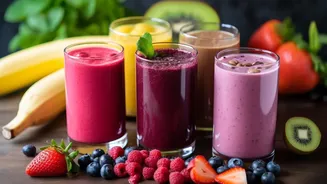
A smoothie made with only fruit might seem like a healthy choice, but it often functions more like a snack than a complete meal. Fruit provides carbohydrates and some vitamins, but without other key nutrients, it digests quickly. This can lead to a rapid
spike in blood sugar followed by a crash, which triggers hunger and sluggishness soon after you've finished your drink. For a smoothie to serve as a proper meal replacement, it needs to be nutritionally balanced and substantial enough to keep you full and energized for several hours, typically containing between 300 and 500 calories. A simple fruit blend rarely meets these criteria on its own.
The Power of Protein
Protein is arguably the most critical component for satiety. Including a quality protein source in your smoothie slows down digestion and helps stabilize blood sugar levels, preventing the energy dip that fruit alone can cause. Protein is also essential for muscle repair and maintenance. Aiming for at least 15-20 grams of protein can transform your drink into a genuinely filling meal. Great protein additions include plain Greek yogurt, cottage cheese, protein powders (whey or plant-based options like pea or soy), silken tofu, and even nut butters.
The Importance of Healthy Fats
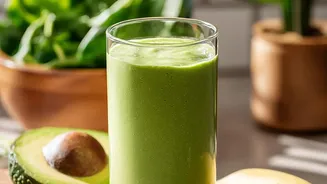
Fat is not the enemy; in fact, healthy fats are essential for feeling full. Like protein, fats slow down digestion, contributing to a longer-lasting feeling of satiety. They also add a rich, creamy texture to your smoothie, making it more satisfying to drink. Healthy fats support brain function and can help the body absorb other nutrients more effectively. Excellent sources of healthy fats for smoothies include half an avocado, a tablespoon of nut butter (like almond or peanut), or a spoonful of seeds such as chia, flax, or hemp. These ingredients not only add staying power but also provide valuable omega-3 fatty acids.
The Fiber Factor
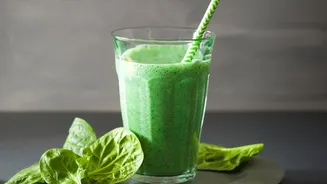
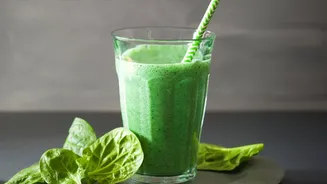
Fiber is the final piece of the satiety puzzle. It adds bulk to your smoothie and helps regulate digestion. Soluble fiber, found in foods like oats and apples, forms a gel-like substance in your gut that slows down the absorption of sugar and keeps you feeling full. Insoluble fiber, found in nuts and leafy greens, aids in digestion. Many smoothies made with whole fruits and vegetables are naturally a good source of fiber. To boost the fiber content even further, consider adding a handful of spinach or kale (which won't drastically alter the taste), a few tablespoons of rolled oats, or seeds like chia and flax, which are also great sources of fat and protein.
Building Your Perfect Meal Smoothie
Creating a balanced meal-replacement smoothie follows a simple formula: liquid base + protein + healthy fat + fiber-rich carbs. Start with a liquid like water, milk, or an unsweetened plant-based milk. Add a scoop of protein, like Greek yogurt or protein powder. Toss in your healthy fat, such as avocado or a spoonful of almond butter. Finally, add your fiber-rich carbohydrates, which can come from fruits like berries and bananas, leafy greens like spinach, and boosters like rolled oats or chia seeds. By ensuring each of these components is present, you create a drink that is not just a tasty convenience but a complete, nourishing meal that will keep you satisfied and powered through your day.