




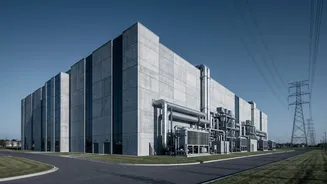


The Scale of the Digital Boom
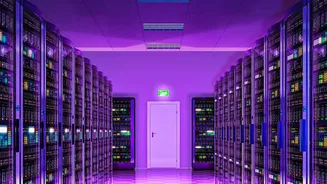
India's appetite for data is insatiable. Driven by rapid digitalisation, widespread cloud adoption, 5G rollout, and the explosive growth of Artificial Intelligence, the nation's data centre market is expanding at a breakneck pace. Installed capacity has
surged from just 375 megawatts (MW) in 2020 to around 1,575 MW as of August 2026. Projections indicate this is just the beginning, with capacity expected to approach 8 GW by 2030, fuelled by billions of dollars in investments. This growth is essential for supporting everything from digital payments to AI-driven services, turning data centres into the core infrastructure of India's trillion-dollar digital economy ambitions.
The Unseen Energy Challenge
Data centres are incredibly power-hungry. To run thousands of servers, storage systems, and cooling equipment 24/7 requires a continuous, reliable, and massive supply of electricity. As India adds gigawatts of data centre capacity, the energy demand is set to skyrocket. The Central Electricity Authority estimates that data centres could require about 17 GW of power by 2031-32. Relying solely on the traditional power grid presents major hurdles, including fluctuating costs, grid instability, and a significant carbon footprint. This makes the search for alternative power sources not just an environmental concern, but a critical business and infrastructure challenge.
Why Green Power is a Business Imperative
The pivot to sustainable energy is no longer just about corporate social responsibility; it's a strategic necessity. For data centre operators, electricity can account for 60-70% of operating costs, making the stable, predictable pricing of renewable energy highly attractive. Furthermore, global tech giants like Google, Amazon, and Meta, who are major data centre customers, are increasingly demanding clean energy to meet their own ESG (Environmental, Social, and Governance) goals. By investing in green energy, Indian data centre operators can enhance their global competitiveness, attract these 'hyperscaler' clients, and ensure energy security in a volatile market.
Exploring Sustainable Pathways
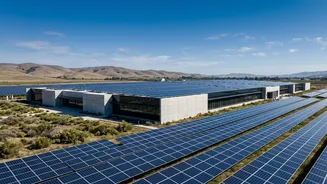
India has a unique advantage in its abundant solar potential, making it a cornerstone of the green transition for data centres. Operators are increasingly signing long-term Power Purchase Agreements (PPAs) with renewable energy developers to secure clean electricity. Beyond solar, hybrid models combining wind power, battery energy storage systems (BESS), and grid power are gaining traction to ensure the '99.999% uptime' that data centres require. Government initiatives like the Green Energy Open Access Rules are also making it easier for companies to procure renewable power directly, accelerating this shift. Some states, like Karnataka, are even rolling out policies with financial incentives for data centres that achieve high levels of energy efficiency.
Overcoming the Green Hurdles
The path to powering data centres with 100% renewable energy is not without its challenges. The primary obstacle is the intermittent nature of sources like solar and wind—the sun doesn't shine at night, and the wind doesn't always blow. This necessitates robust energy storage solutions, like batteries, which currently come with high upfront costs. Grid infrastructure also needs significant upgrades to handle the dynamic load from renewable sources and connect them to data centre hubs. Finally, the high initial capital investment required to build green infrastructure can be a barrier, especially for smaller players in the market.