

2014: The Kashmir Floods
In September 2014, the Kashmir region was struck by its worst floods in over half a century after unusually heavy monsoon rainfall. The Jhelum river and its tributaries overflowed, submerging huge parts of the valley, including about 80% of Srinagar.
The floods claimed hundreds of lives in both India and Pakistan and caused immense economic damage. Experts pointed to a combination of extreme weather and anthropogenic factors, such as rapid urbanisation, the loss of wetlands that act as natural sponges, and poor river management, which aggravated the situation and blocked natural drainage patterns.
2015: The Nepal Earthquake
On April 25, 2015, a catastrophic 7.8 magnitude earthquake struck Nepal, with its epicentre near Kathmandu. The quake was a result of the ongoing collision between the Indian and Eurasian tectonic plates, a process that formed the Himalayas and makes the region intensely seismic. The disaster killed nearly 9,000 people, injured thousands more, and left millions homeless. It flattened entire villages and destroyed historic landmarks in Kathmandu. The main quake and its powerful aftershocks also triggered deadly avalanches on Mount Everest and numerous landslides, which blocked rivers and hampered rescue efforts, showcasing the region's profound vulnerability to seismic shocks.
2021: The Chamoli Rock-Ice Avalanche
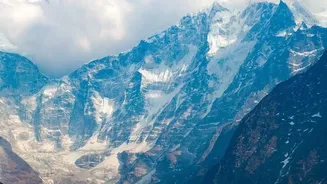
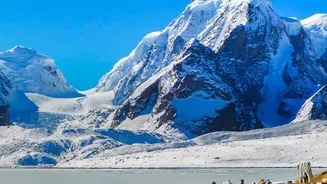
In February 2021, a massive wall of water and debris barrelled down the Rishiganga and Dhauliganga river valleys in Chamoli, Uttarakhand. The event, which killed over 200 people and destroyed two hydropower projects, was not a typical glacial lake outburst. A detailed analysis by scientists later confirmed that a colossal chunk of rock and glacier ice, estimated at 27 million cubic metres, had broken off from Ronti Peak. The energy from the 3.2-kilometre fall melted the ice, creating a devastatingly mobile and destructive debris flow. This disaster highlighted a new and terrifying threat: the instability of the high-mountain cryosphere, where warming temperatures are weakening the very rock and ice that hold slopes together.
2022: Pakistan's 'Monsoon on Steroids'
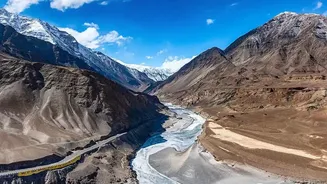
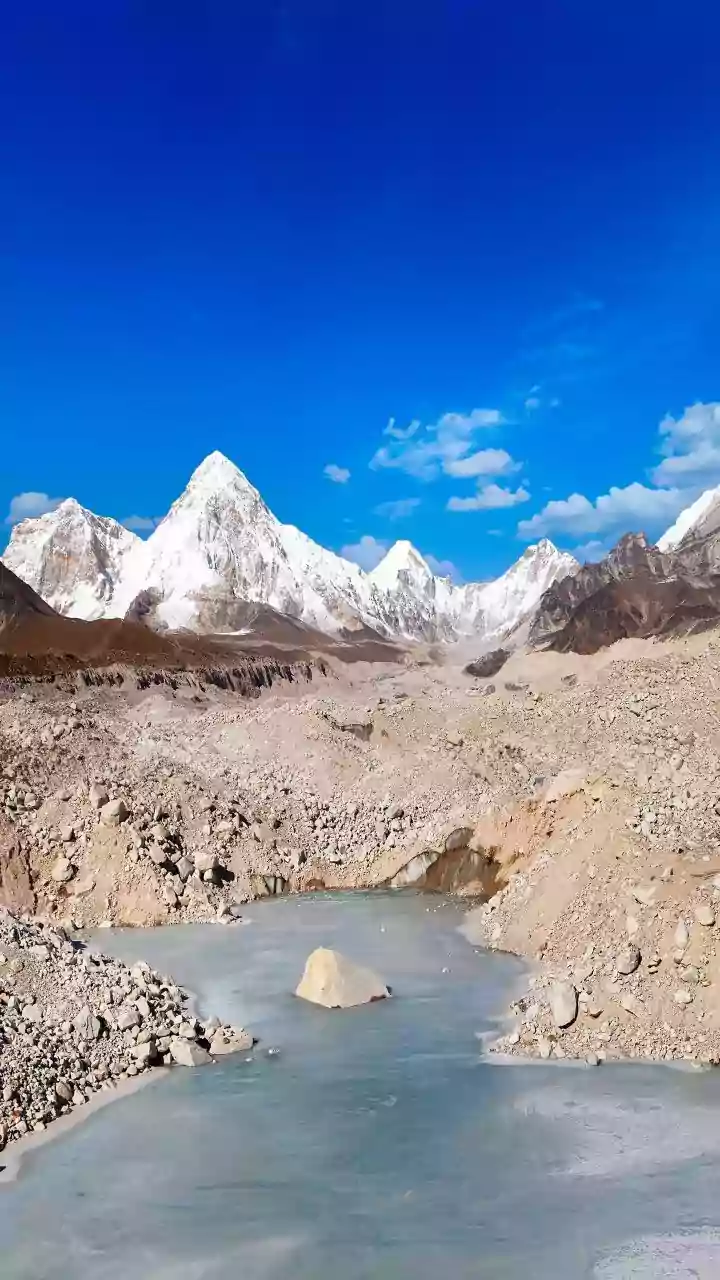
The summer of 2022 saw a climate catastrophe unfold in Pakistan, as extreme monsoon rains, described by the UN as a "monsoon on steroids," submerged one-third of the country. The floods affected 33 million people and killed over 1,700. While the rainfall was unprecedented, a significant contributor to the deluge was the accelerated melting of Pakistan's more than 7,200 glaciers in the Himalayas and Karakoram ranges, the largest number outside the polar regions. A searing heatwave earlier in the year had primed the glaciers for rapid melting, which then swelled the Indus River. The disaster was a stark illustration of how climate change is creating compound events with transnational consequences.
2023: Joshimath's Slow-Motion Sinking
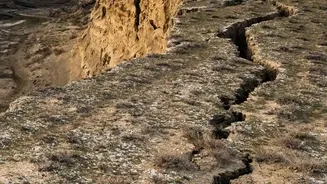
In early 2023, the pilgrimage town of Joshimath in Uttarakhand became a symbol of a slow-motion disaster. Residents watched in horror as large cracks appeared in hundreds of buildings, roads, and fields, forcing mass evacuations. This land subsidence was not sudden. Experts had warned for decades that the town was built on the fragile debris of an ancient landslide. The crisis was attributed to a combination of its precarious geology and intense, unplanned development, including hydropower projects like the Tapovan Vishnugad tunnel and over-extraction of groundwater. Joshimath served as a grave warning about the dangers of exceeding the carrying capacity of fragile mountain environments.
2023: Himachal Pradesh Monsoon Fury
The 2023 monsoon brought another wave of extreme rainfall, this time battering Himachal Pradesh. A combination of a western disturbance and the active monsoon led to intense downpours that triggered widespread floods and over 170 incidents of landslides and cloudbursts. Dozens were killed as roads were washed away, bridges collapsed, and buildings were swept into raging rivers in popular tourist areas like Kullu and Manali. The disaster highlighted the deadly combination of extreme weather events, which are becoming more frequent due to climate change, and vulnerable infrastructure built on steep, unstable slopes.
2023: Sikkim's Glacial Lake Outburst
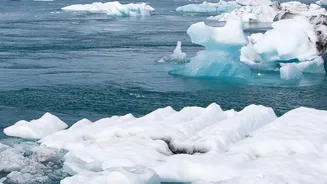
On October 4, 2023, the South Lhonak glacial lake in Sikkim, which had been growing rapidly for decades, finally breached its moraine dam. The event triggered a Glacial Lake Outburst Flood (GLOF) that sent a torrent of water down the Teesta River. The flood was compounded when it destroyed the Chungthang dam, releasing even more water and causing catastrophic damage downstream. Over 100 people were killed or went missing. Scientists had long identified South Lhonak as a high-risk lake, a poster child for the growing GLOF threat across the Himalayas, where rising temperatures are creating thousands of new and unstable glacial lakes.