




As Karwa Chauth approaches on October 17, 2026, planning the pre-dawn sargi meal is key. A few thoughtful choices, especially around salt and sugar, can make the demanding nirjala fast feel more manageable and spiritually fulfilling.
The Foundation of Your Fast
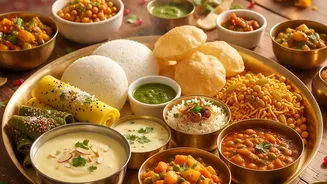
The sargi is more
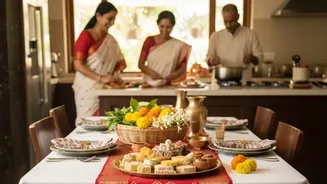
than just a meal; it's a blessing from a mother-in-law and the primary source of sustenance for the entire day. This pre-dawn tradition is designed to provide slow-releasing energy and hydration to carry you through until the moonrise. While traditional sargis often include a mix of sweets, savoury items, and fruits, a modern, health-conscious approach can significantly enhance your comfort and well-being without compromising on tradition. The goal is not to eat a large volume of food, but to eat the right kind of food that nourishes and sustains. A well-planned sargi helps prevent common fasting discomforts like headaches, fatigue, and intense thirst, allowing you to focus on the rituals and significance of the day.
Why Taming Sugar Is Key
Many traditional sargi thalis feature mithai or other sugary preparations. While these provide a quick burst of energy, it's often followed by a sharp crash. When you consume simple sugars on an empty stomach, your blood sugar levels spike rapidly. In response, your body releases a large amount of insulin, which then causes your blood sugar to plummet. This 'sugar crash' can leave you feeling tired, irritable, and even hungrier just a few hours into your fast. Opting for complex carbohydrates and natural sugars instead can provide a more stable and sustained energy release. This helps maintain your stamina throughout the day, preventing the lethargy that often sets in by the afternoon.
The Downside of Excess Salt
The biggest challenge of a nirjala fast is managing thirst. This is where controlling your salt intake becomes crucial. Salty foods, such as pickles, fried mathri, or heavily spiced curries, can trigger intense thirst that lasts for hours. Sodium makes your body retain less water, signalling to your brain that you need to drink more fluids — something you cannot do during the fast. Starting your day with a high-salt meal essentially sets you up for a difficult battle against dehydration. By keeping salt to a minimum in your sargi, you can help your body stay better hydrated from the water you consume with the meal, making the long hours without water far more tolerable. Even a small reduction can make a noticeable difference in your comfort levels.
Building a Balanced Sargi Thali for 2026
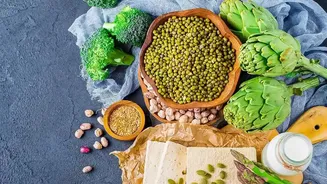
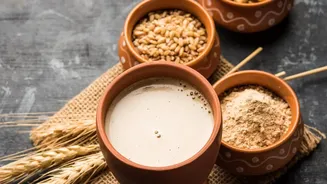
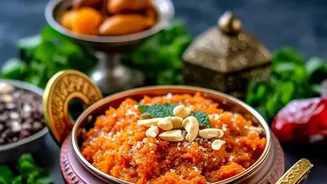
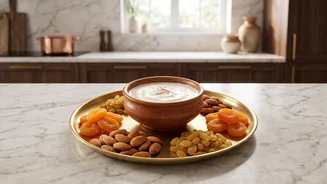
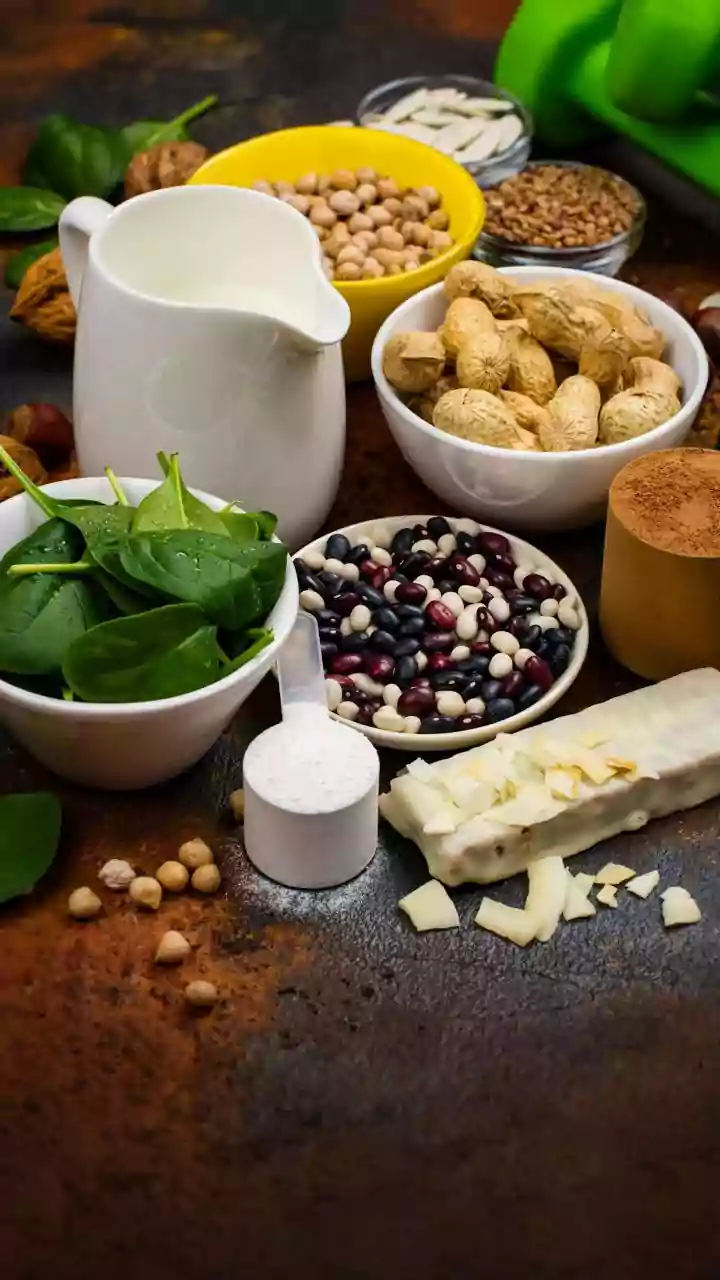
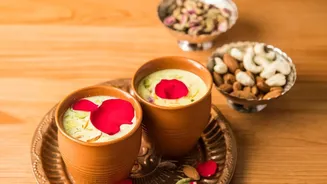
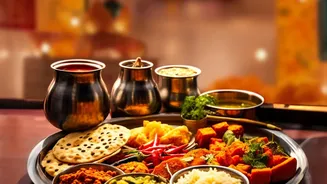
Creating a balanced sargi is about smart swaps, not sacrifices. Instead of processed sweets, consider naturally sweet and nutrient-dense options like a few dates, figs, or a bowl of fruit salad. For your main meal, choose complex carbohydrates like a whole wheat roti or a bowl of oats, which release energy slowly. Pair this with a good source of protein like a small bowl of paneer bhurji (made with minimal salt) or a handful of unsalted almonds and walnuts. These foods promote satiety, keeping you feeling full for longer. Including dairy like a glass of milk or a bowl of curd is also an excellent choice, as it provides both protein and hydration. The idea is to combine protein, complex carbs, and healthy fats for lasting energy.
Hydrating Fruits and Final Sips
Your last chance for hydration is with the sargi meal itself, so make it count. Before you begin your fast, ensure you drink a sufficient amount of water. Another excellent option is fresh coconut water, which is packed with electrolytes that help maintain your body's fluid balance. When choosing fruits for your thali, prioritize those with high water content. Pomegranates, oranges, berries, and melons are fantastic choices. They not only provide hydration but also essential vitamins and antioxidants that support your body during the fast. A thoughtful combination of these elements ensures your sargi is not just a ritual, but a scientifically sound way to prepare your body for the day ahead.