







Faster Commutes During Peak Hours
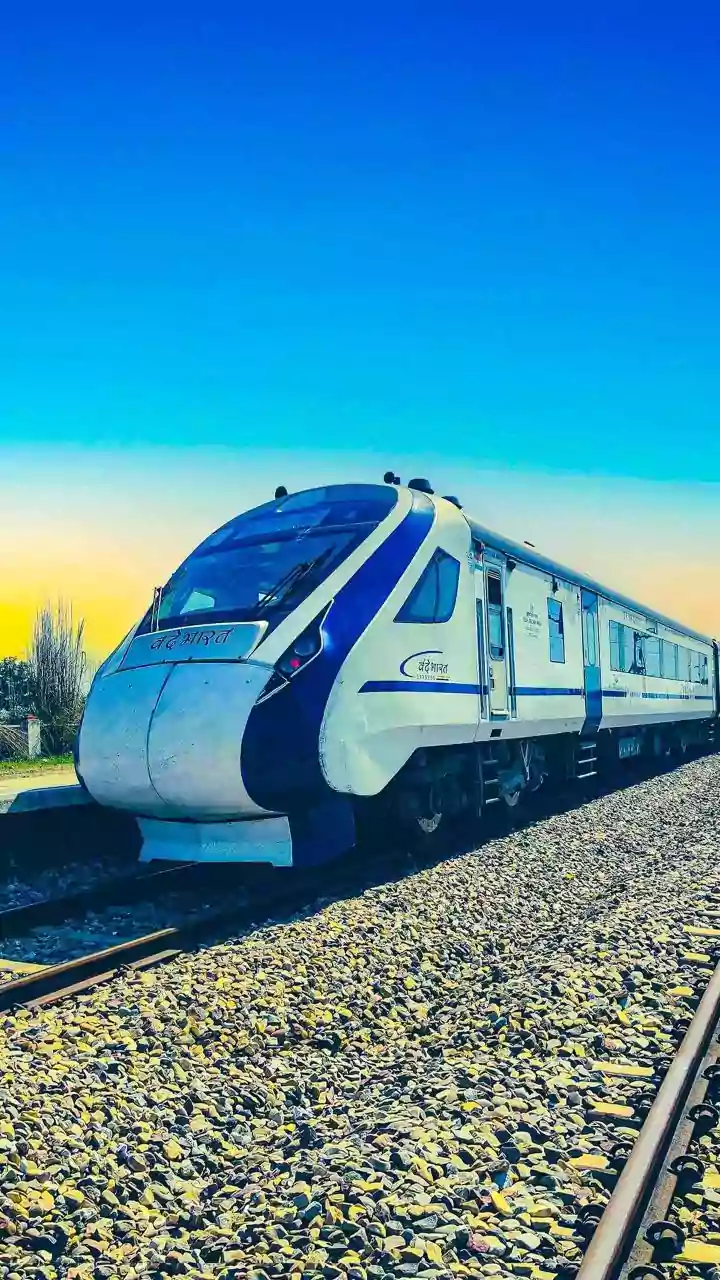
The National Capital Region Transport Corporation (NCRTC) has launched eight additional limited-stop Namo Bharat train services to slash travel time during the busiest parts of the day. These new services are specifically aimed at office-goers and students.
The 'fast trains' run during morning and evening peak hours, with departures from the main terminals at Sarai Kale Khan and Modipuram at 8:00 AM, 8:30 AM, 6:00 PM, and 6:30 PM. By making fewer stops, these trains will cover the entire 82-kilometre corridor in less than 50 minutes, a noticeable improvement on the nearly 60 minutes taken by regular services.
Which Stations Do Fast Trains Serve?
To achieve these faster times, the new services halt at only five key stations: Sarai Kale Khan, Anand Vihar, Ghaziabad, Begumpul, and Modipuram. This limited-stop model means significant time savings on major travel segments. For instance, the journey between Anand Vihar and Ghaziabad is now just eight minutes. A trip from Ghaziabad to Begumpul takes only 28 minutes, while Anand Vihar to Begumpul can be completed in 36 minutes. Commuters travelling to other stations along the line will need to continue using the regular Namo Bharat services, which continue to operate at a frequency of every 10 minutes. The NCRTC has advised passengers to check platform displays to distinguish between the fast and regular trains before boarding.
What is the RRTS and Namo Bharat?
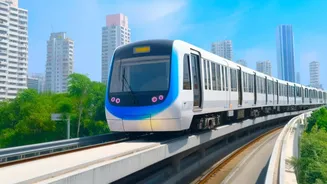
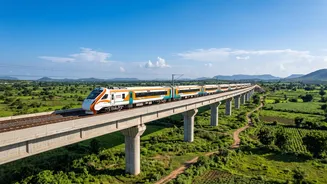
For those unfamiliar, the Regional Rapid Transit System (RRTS) is a new class of semi-high-speed rail network in India, designed for regional connectivity. The Delhi-Ghaziabad-Meerut corridor is the first of its kind to become fully operational. The trains, branded Namo Bharat, are state-of-the-art with an aerodynamic design, capable of running at a top speed of 160 km/h. This system is engineered to provide a fast, reliable, and comfortable alternative to road travel, fundamentally changing how people commute across the National Capital Region. The project is a cornerstone of modernising urban mobility and reducing the strain on existing transport infrastructure.
Meeting Rising Demand
The decision to add faster services comes as ridership on the corridor continues to grow steadily. The line currently serves approximately 1.1 lakh commuters daily and recently surpassed the milestone of five crore total passenger journeys. Over the last three months, the system has recorded an average monthly ridership of more than 32 lakh. By offering a faster option, the NCRTC aims to make public transport an even more attractive choice, especially as the NCR grapples with road congestion and air quality concerns. The introduction of these trains is a direct response to commuter needs for quicker and more efficient travel between the region's key residential and commercial hubs.