




The New Age of Berries
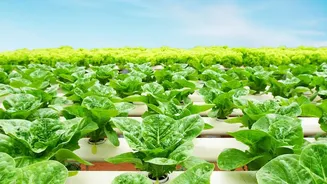
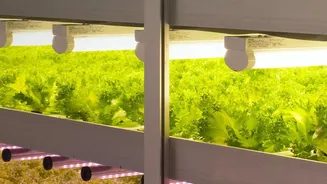
High-tech strawberry farming represents a significant leap from traditional open-field cultivation. The new methods fall under Controlled Environment Agriculture (CEA), where crops are grown indoors in vertically stacked layers or sophisticated greenhouses.
Technologies like hydroponics (soilless cultivation), aeroponics, and automated climate control systems are central to this revolution. These systems allow growers to manage every variable, from light and temperature to humidity and nutrient delivery, creating an ideal environment for strawberries to thrive regardless of the season or local climate. Vertical farming, a popular CEA method, dramatically increases plant density by growing crops in stacked layers, effectively multiplying the production footprint on the same piece of land. This approach is particularly attractive in urban areas or regions with limited arable land, promising a future where fresh produce can be grown closer to consumers.
The Promise of Higher Yields
The benefits of adopting this technology are compelling. High-tech farms can produce significantly higher yields compared to conventional methods. Some reports suggest that vertical systems can increase plant density fivefold, leading to a corresponding surge in production. One farmer in Uttar Pradesh reported five times more production with hydroponics compared to open-land farming. Because the environment is controlled, farmers can achieve year-round harvests, breaking free from seasonal limitations and capturing premium prices during traditional off-seasons. Furthermore, these closed-loop systems use up to 80-90% less water than soil-based farming, a crucial advantage in water-scarce regions. The controlled environment also minimizes the risk of pests and soil-borne diseases, reducing the need for pesticides and producing a cleaner, more consistent product.
The Steep Price of Progress
However, this advanced technology comes with a formidable price tag. The initial capital expenditure for setting up a commercial hydroponic or vertical farm is substantial. Costs include the structure itself (greenhouse or container), sophisticated hydroponic systems, LED lighting, climate control (HVAC), and automation tools. A small commercial setup on just 1,500-2,500 square feet can cost between ₹2.5-3.5 lakh, while a one-acre automated polyhouse can easily exceed ₹10-20 lakh. Some estimates for a half-acre, multi-layer hydroponic system run as high as ₹60-70 lakh. Beyond the initial setup, operational costs for electricity, specialised nutrients, and technical maintenance are significant and continuous, with energy being one of the largest expenses. These high costs represent a massive barrier to entry, particularly for small and marginal farmers.
A Widening Economic Divide
The high cost of agritech creates a risk of widening the gap between large agricultural corporations and India's smallholder farmers, who constitute 86% of the farming population. While corporations can leverage capital to invest in these highly productive systems, small farmers often lack access to the necessary financing. This dynamic could lead to a consolidation of the market, where a few large players dominate the production of high-value crops like strawberries, pushing smaller, traditional growers to the margins. These small farmers already face challenges with low visibility of demand and limited bargaining power; being priced out of technological advancements could further diminish their income. The technology that promises to secure the food supply could simultaneously threaten the livelihoods of the very people who form the backbone of Indian agriculture.
The Path to Inclusive Innovation
Addressing this challenge requires a concerted effort to make technology more accessible. Government schemes and subsidies can play a crucial role. Initiatives like the Sub-Mission on Agricultural Mechanisation (SMAM) offer financial assistance, but these often need to be more tailored to high-tech, controlled environment systems. The National Horticulture Board (NHB) and National Horticulture Mission (NHM) provide subsidies up to 50% for hydroponic setups, which can significantly lower the entry barrier. Promoting farmer producer organisations (FPOs) and cooperatives can also help by allowing farmers to pool resources, share costs, and collectively invest in and manage high-tech farms. Furthermore, developing low-cost vertical farming systems and creating hubs for hi-tech equipment that can be rented through a custom hiring model could democratise access to these transformative technologies.