




The Vegetarian Paradox Explained
Many people believe that avoiding meat automatically lowers their risk of lifestyle diseases. Yet, India is facing a significant diabetes challenge, with millions of people affected. This contradiction is sometimes called the 'Indian vegetarian paradox'.
The problem is not the absence of meat, but the overwhelming presence of high-glycemic, refined carbohydrates that can dominate a vegetarian plate. Meals that consistently feature large portions of polished white rice, rotis made from fine wheat flour (maida), potatoes as a primary vegetable, and sugary drinks can lead to frequent blood sugar spikes, even without any non-vegetarian food in sight.
Identifying the High-Carb Culprits
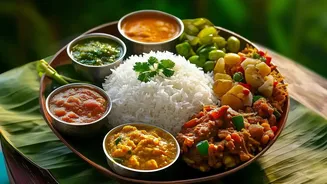
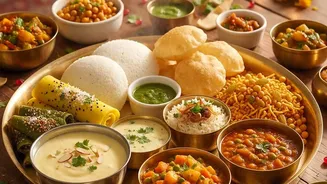
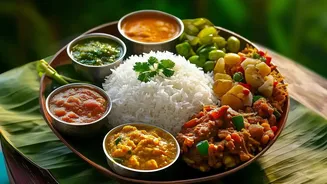
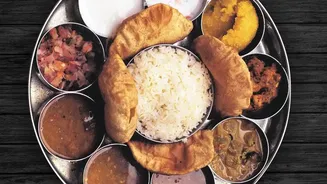
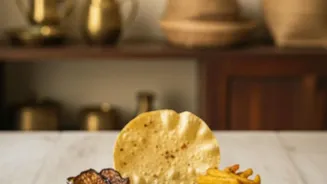
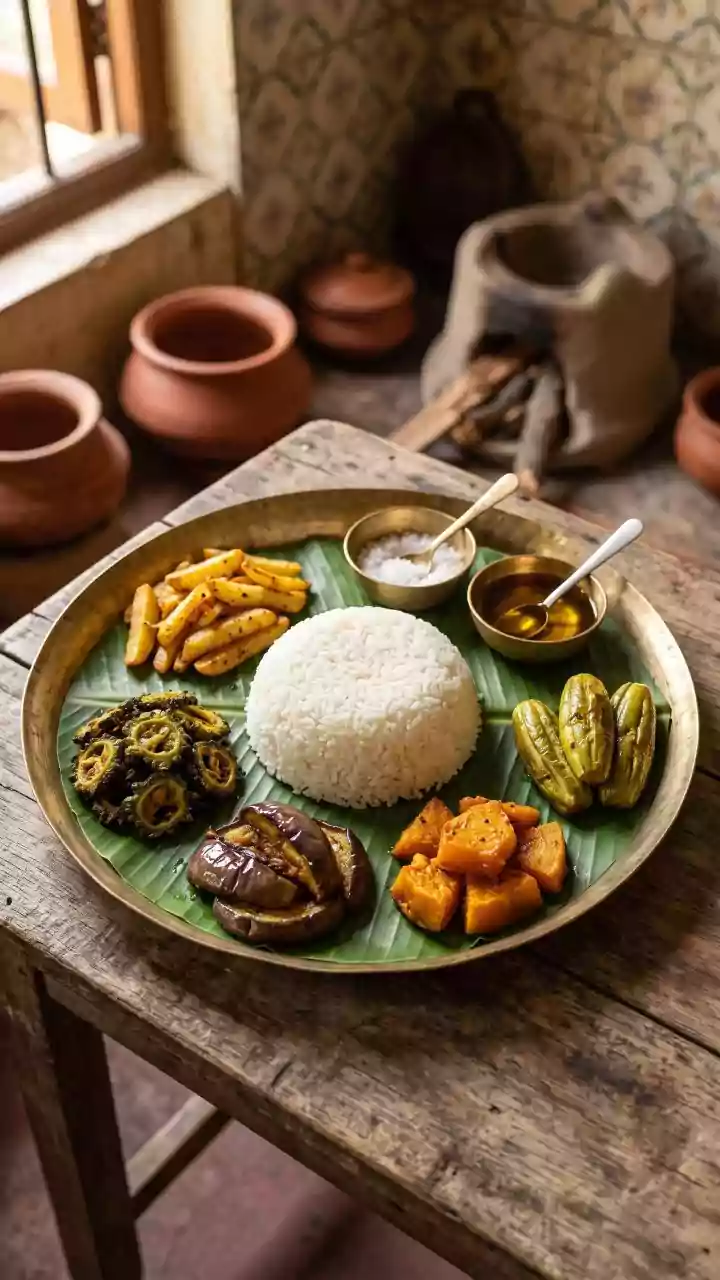
A typical Indian meal structure can unintentionally overload on carbohydrates. Think of a thali where 60-70% of the plate is taken up by carbs. Common culprits include staples like white rice, naan, and parathas, which are digested quickly. Even seemingly healthy breakfast choices like poha, upma, or idli can contribute to a high carb intake if portions aren't balanced with protein and fibre. Furthermore, many popular vegetarian snacks, from samosas and pakoras to biscuits and packaged namkeen, are made from refined flours and are often deep-fried, adding to the metabolic load. Over time, a diet centred around these foods forces the pancreas to work overtime producing insulin, which can lead to insulin resistance and eventually, type 2 diabetes.
Rethinking Your Thali: The Plate Method
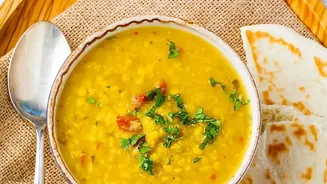
A simple and powerful way to build a healthier vegetarian meal is using the 'plate method'. This visual guide helps you rebalance your portions without complicated calorie counting. Imagine a 9-inch dinner plate and divide it visually. Fill half of your plate with non-starchy vegetables like spinach, bhindi (okra), lauki (bottle gourd), cabbage, or a fresh salad. These are high in fibre and low in carbs. Fill one-quarter of the plate with a good source of protein. For vegetarians, this means a generous katori of dal, chana, rajma, paneer, tofu, or curd. The final quarter is for your carbohydrates. This is where portion control is key.
Making Smarter Carbohydrate Choices
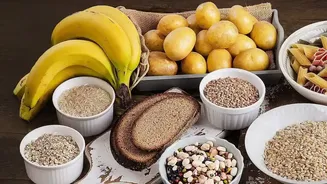
The goal is not to eliminate carbs but to choose them wisely. For that last quarter of your plate, opt for complex carbohydrates that have a lower glycemic index (GI), meaning they release sugar into the bloodstream more slowly. Instead of white rice, choose brown rice, red rice, or millets like bajra, jowar, and ragi. When making rotis, use whole wheat atta or multigrain flour instead of refined maida. Even the order in which you eat can help; starting your meal with vegetables and protein before moving to the carbohydrates can help slow down glucose absorption. This simple habit helps prevent the sharp blood sugar spikes associated with high-GI meals.
Healthy Swaps for Everyday Meals
Integrating these changes into your daily routine can be straightforward. For breakfast, instead of a purely grain-based meal, try a moong dal chilla or a bowl of oats cooked with vegetables. For lunch and dinner, ensure your sabzi portion is substantial, not just a small accompaniment to a mountain of rice or a stack of rotis. When snacking, trade the fried and packaged items for a handful of roasted chana, a small bowl of sprouts, or a piece of whole fruit like a guava or an apple. These swaps not only reduce the refined carbohydrate load but also increase your intake of essential fibre, protein, vitamins, and minerals, creating a diet that is truly balanced and protective.