







Why We Need to Talk About Fibre
Before we pit papaya against juice, let's talk about fibre. Dietary fibre is a powerhouse nutrient, yet most of us don't get enough of it. It’s essential for good health, playing a crucial role in our digestive system. Fibre helps maintain regular bowel
movements, preventing constipation. It also feeds the good bacteria in your gut, which is linked to everything from a strong immune system to better metabolic health. Furthermore, a high-fibre diet helps you feel fuller for longer, which can aid in weight management. It also plays a key part in lowering cholesterol and controlling blood sugar levels, reducing the risk of heart disease and type 2 diabetes.
The Whole Fruit Always Wins
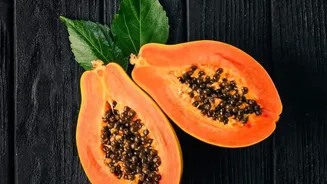
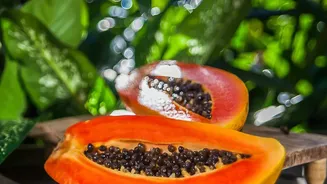
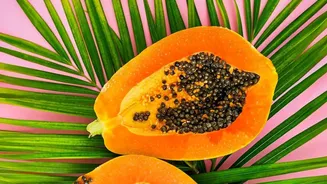
So, where do papaya and juice fit in? When you eat a piece of fresh papaya, you're getting the complete package: vitamins, minerals, water, natural sugars, and, crucially, all of its fibre. A single serving of papaya provides a significant amount of your daily fibre needs. For instance, 100 grams of raw papaya contains about 1.7 grams of fibre. In contrast, 100 grams of typical strained orange juice contains just 0.2 grams of fibre. The difference is stark. The fibre in papaya, both soluble and insoluble, works together to support your health in ways that juice just can't replicate.
What Juicing Strips Away
The process of juicing is designed to separate the liquid from the solid parts of the fruit. While this creates a smooth, easy-to-drink beverage, it leaves the most valuable component behind: the fibrous pulp and skin. Research shows that the juicing process can remove almost all of the fruit's insoluble fibre and a significant portion of its soluble fibre. What's left is a drink that is high in natural sugars but lacks the fibre that would normally slow down its absorption into your bloodstream. This can lead to a more rapid spike in blood sugar, unlike the gentle rise you get from eating the whole fruit.
Beyond Just Fibre
The benefits of choosing whole papaya over juice extend beyond fibre content. Papaya is packed with nutrients like Vitamin C, Vitamin A, and antioxidants such as lycopene, which support your immune system and skin health. While some of these nutrients remain in the juice, their concentration can be lower, and some are lost entirely when the pulp is discarded. Moreover, whole fruit is more satiating. The act of chewing and the presence of fibre send signals to your brain that you are full, helping to prevent overconsumption. A glass of juice contains the sugar of several fruits but won't make you feel nearly as full as eating a single piece of fruit would.
Embracing the Goodness of Papaya
Making papaya a regular part of your diet is simple. This versatile tropical fruit has a sweet, buttery flavour that is delicious on its own. You can scoop it out with a spoon for a quick breakfast or snack. For a more creative twist, add cubes of fresh papaya to a fruit salad with mango and pineapple. It also works wonderfully in smoothies, where blending retains the fibre, unlike juicing. You can even add it to savoury dishes like fresh salsas or as a topping for fish tacos to add a burst of tropical sweetness. By choosing the whole fruit, you ensure you're getting all the nutritional benefits it was meant to provide.