





The Case for Carrots
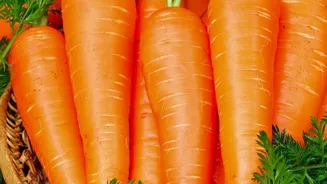
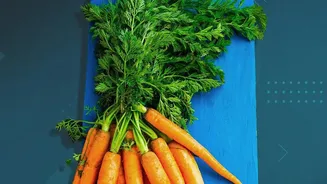
Carrots have built their reputation on beta-carotene, the vibrant orange pigment that the body converts into Vitamin A. This essential nutrient is crucial for maintaining healthy vision, supporting a robust immune system, and promoting skin health. A single
medium carrot can provide a significant portion of your daily Vitamin A needs. Beyond their most famous nutrient, carrots are also a good source of dietary fibre, which aids digestion, and other valuable compounds like Vitamin K1 and potassium. Their satisfying crunch and natural sweetness make them a versatile ingredient, enjoyed raw as a snack or cooked in countless dishes, from soups to roasts. But to get the most out of their star nutrient, how you eat them matters.
The Power of Spinach
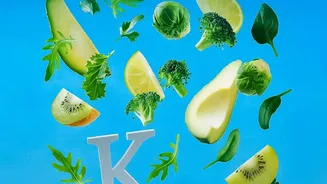
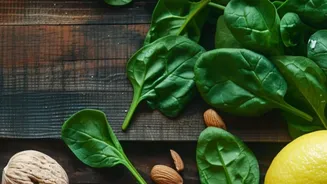
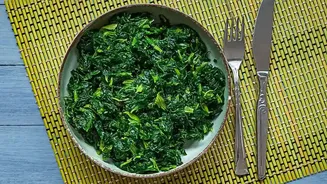
Spinach boasts a different but equally impressive profile. This leafy green is an excellent source of Vitamin K, which is vital for blood clotting and bone health. It's also packed with iron, a mineral essential for transporting oxygen in the blood and preventing fatigue. Furthermore, spinach provides a wealth of other micronutrients, including folate, manganese, magnesium, calcium, and Vitamin C. While it also contains beta-carotene, its claim to fame often revolves around its high iron and calcium content. However, the nutrients in spinach come with a catch: they are not always easy for the body to absorb on their own.
The Absorption Game
Here's where the 'versus' debate gets interesting. The nutrients in food aren't automatically available to our bodies. Their bioavailability—how much we can actually absorb and use—depends on several factors. Beta-carotene in carrots is fat-soluble. This means that to absorb it effectively, you need to consume it with a source of fat. Eating raw carrots alone is healthy, but pairing them with olive oil, avocado, or nuts can significantly boost your uptake of Vitamin A. In fact, studies show that cooking carrots can also help break down their tough cell walls, making beta-carotene more accessible. Similarly, spinach contains compounds called oxalates that can hinder the absorption of its iron and calcium. Lightly cooking spinach helps reduce these oxalates. And to absorb its plant-based (non-heme) iron more efficiently, it needs a partner: Vitamin C.
Better Together: Nutrient Synergy
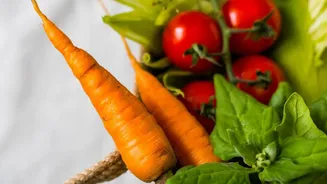
This brings us to the core idea of nutrient synergy: some foods are better together. Instead of seeing carrots and spinach as rivals, think of them as teammates. Spinach is a great source of Vitamin C, the very nutrient needed to enhance the absorption of its own plant-based iron. A squeeze of lemon on your spinach salad isn't just for flavour; it's a nutritional strategy that can dramatically increase how much iron your body gets. Now, consider adding carrots to that salad. If you top it with an olive oil-based dressing, the healthy fat helps you absorb the beta-carotene from the carrots. You're no longer just eating spinach and carrots; you're creating a meal where the components work together to unlock each other's full potential. This is the foundation of a truly varied and effective diet.
Beyond the Power Duo
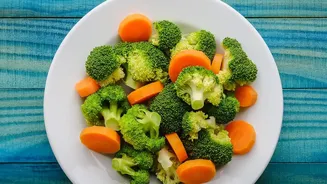
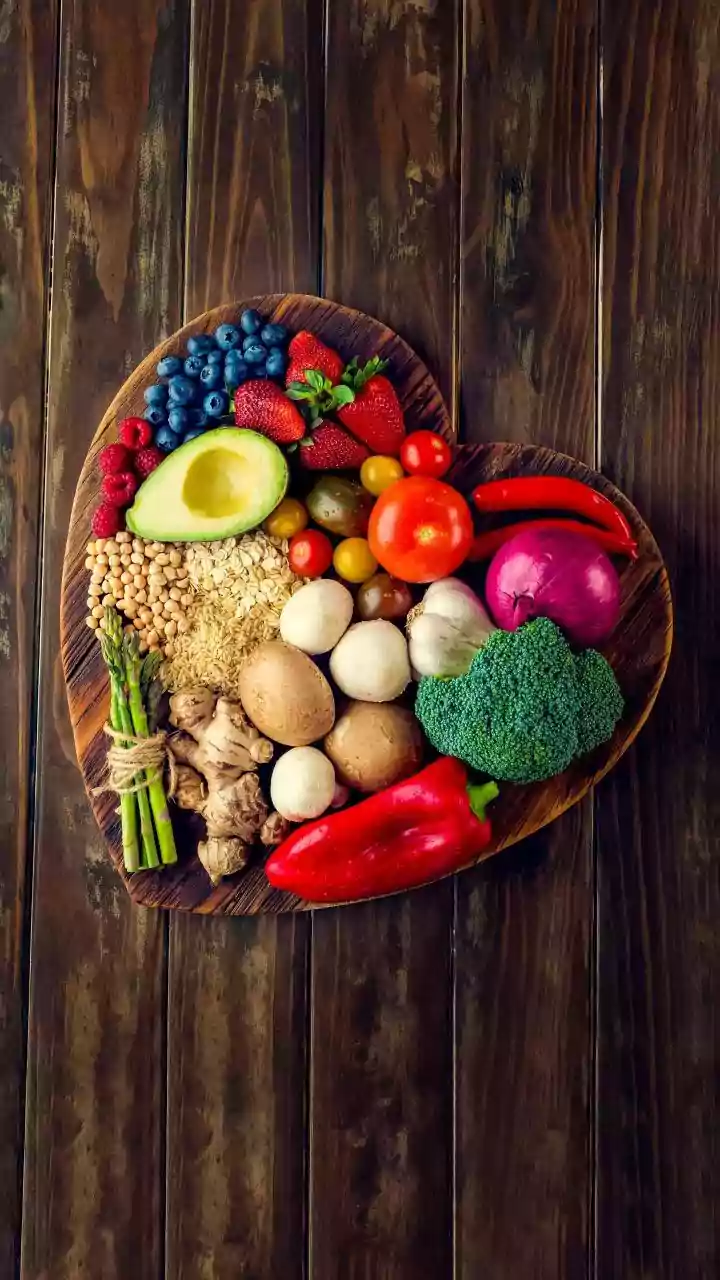
The principle of dietary diversity extends far beyond just two vegetables. Eating a wide variety of foods ensures you get a broad spectrum of vitamins, minerals, and antioxidants that work in concert. Think of your plate as a colourful palette. The deep red of tomatoes offers lycopene, an antioxidant whose absorption is boosted by cooking with oil. The vibrant purple of beetroot and the green of broccoli each bring unique compounds to the table. Relying on just one or two 'superfoods' can lead to nutritional gaps. A diverse diet not only provides a wider range of nutrients but also supports a healthier gut microbiome, which is crucial for digestion, immunity, and overall well-being. The goal is to consume a 'rainbow' of fruits and vegetables, ensuring your body gets the complete team of nutrients it needs to thrive.