


What Makes a Meal ‘Café-Style’?
The 'café-style' trend isn't about mastering complex French sauces or buying expensive ingredients. Instead, it’s a philosophy of composition and plating. Think of it as a deconstructed meal where each component shines. Instead of everything simmering
together in one pot, the elements are cooked separately and arranged thoughtfully on a plate. The goal is a balanced meal with a variety of textures and colours: something grilled and smoky, something fresh and crunchy, something creamy and comforting, and a flavourful sauce to tie it all together. It’s the kind of meal you’d expect at a trendy urban bistro, but made with the familiar ingredients already in your kitchen.
The Star of the Plate: Paneer Reimagined
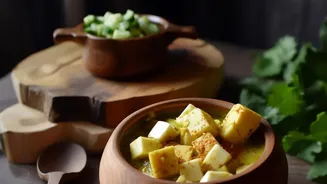
The first step to a café-style plate is to rethink the paneer itself. Move beyond small cubes swimming in gravy and treat the paneer as the main event. A popular approach is the 'paneer steak,' a thick slab that's marinated and pan-seared until golden brown. The marinade doesn't need to be complicated; a simple mix of yogurt, ginger-garlic paste, and spices like turmeric and chilli powder works wonders. You can also use everyday sauces like schezwan, ketchup, and a dash of olive oil for a quick, flavourful coating. Another option is to cut paneer into fingers for grilling or create skewers with cubes of paneer and colourful bell peppers for an easy tandoori-style appetiser. The key is to give the paneer a delicious crust while keeping the inside soft.
Vibrant Vegetables on the Side
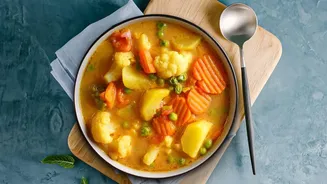
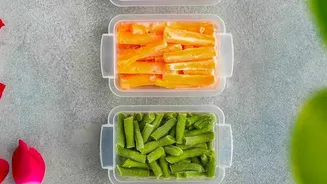
A great café plate needs a colourful and crunchy vegetable component. Instead of cooking them down into a soft subzi, the modern approach is to sauté, roast, or grill them lightly to preserve their texture and natural sweetness. A mix of broccoli, bell peppers, carrots, mushrooms, and baby corn adds visual appeal and a healthy crunch. A simple sauté with chopped garlic, a knob of butter, and a sprinkle of chilli flakes and oregano is all you need. Don't overcook them; the vegetables should still have a slight bite. This method is not only faster than making a traditional curry but also keeps the meal feeling light and fresh.
The Sauce Factor: Everyday Condiments, New Tricks
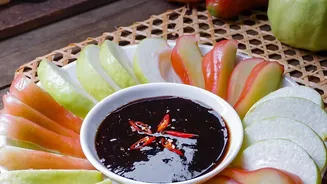
Sauces are what bring the different elements of the plate together. But you don’t need to make a classic makhani gravy. Your refrigerator door is likely full of potential. A simple dip can be made by mixing hung curd or mayonnaise with your favourite Indian pickle or 'achaar'. Tomato ketchup, often dismissed as a simple condiment, can be part of a marinade or a glaze. A drizzle of green chutney or a spoonful of tamarind chutney on the side of the plate adds a burst of fresh, tangy flavour that cuts through the richness of the paneer. These everyday condiments provide a shortcut to complex flavour without any extra cooking.
Plating It Like a Pro
The final touch is the presentation. You eat with your eyes first, and plating is what elevates this meal from a simple dinner to a special occasion. Start with a large plate. Place your paneer steak or skewers as the centrepiece. Artfully arrange the sautéed vegetables next to it. Instead of pouring sauce over everything, add a dollop on the side for dipping, or create an elegant drizzle over the paneer. Garnish with a sprinkle of fresh coriander, kasuri methi, or even some toasted seeds for extra texture. The idea is to keep the components distinct, allowing you to mix and match flavours with each bite, just as you would in a high-end café.