


A Tradition of Warmth and Wellness
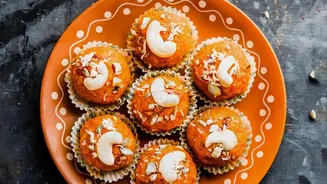
Winter in India is not just about cooler temperatures; it is a season deeply connected to culinary traditions designed to nourish and warm the body from within. At the heart of this tradition lies the humble ladoo, a spherical sweet that is far more than
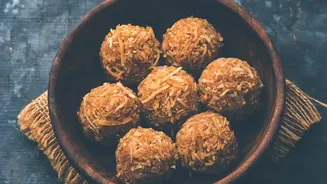
just a dessert. These energy balls are crafted with ingredients specifically chosen for their warming properties. Central to most winter ladoos are jaggery (gur), ghee, nuts, and seeds. According to traditional wisdom, these ingredients help the body generate heat and stay fortified against the cold. Jaggery, an unrefined sugar, is favoured over its processed counterpart for being rich in iron and minerals, aiding digestion and providing a slow release of energy. Ghee provides healthy fats, while nuts and seeds are powerhouses of protein, vitamins, and essential oils. Together, they create a perfect, wholesome package of wellness.
Start Simple: Til (Sesame) Ladoos
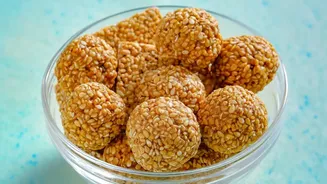
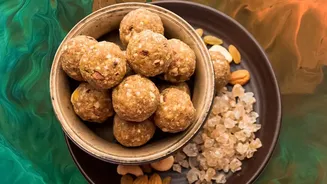
For anyone new to making ladoos, the Til Ladoo is the perfect starting point. Intrinsically linked with winter festivals like Makar Sankranti, this sweet is celebrated for its simplicity and profound health benefits. In its most basic form, it requires just two ingredients: roasted white or black sesame seeds (til) and melted jaggery. The process is straightforward: the sesame seeds are gently roasted until they release a nutty aroma and start to pop. They are then combined with a hot jaggery syrup and quickly rolled into balls while the mixture is still warm. Sesame seeds are an excellent source of calcium, iron, and magnesium, making them fantastic for bone health. Their high content of healthy fats and oils provides the much-needed warmth and lubrication for the body during the dry winter months. The resulting ladoo is a delightfully crunchy, nutty, and satisfying treat that embodies the essence of winter.
The Power-Packed Peanut Ladoo
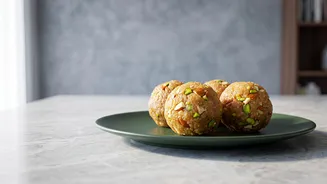
Following closely in simplicity and popularity is the peanut ladoo, also known as shengdana ladoo in Maharashtra. This is another excellent option for beginners and a fantastic way to create a protein-packed snack with minimal effort. Peanuts are an affordable and widely available source of plant-based protein, healthy fats, and energy. The recipe is incredibly forgiving. It typically involves roasting peanuts, removing their skins, and coarsely grinding them. This peanut powder is then mixed with powdered or melted jaggery and a hint of cardamom, and then shaped into ladoos. Some variations include a spoonful of ghee to help with binding and add richness. These ladoos serve as a brilliant post-workout snack or a guilt-free solution to a mid-afternoon energy slump, providing sustained fuel to keep you going.
Elevate with Dry Fruit Ladoos
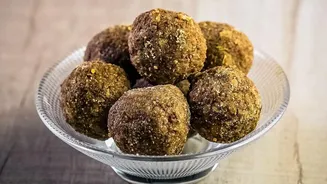
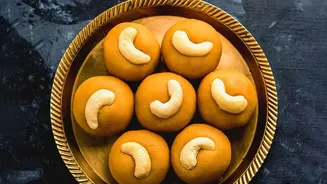
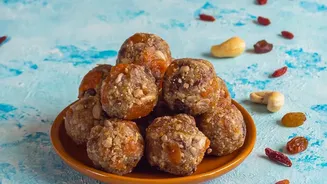
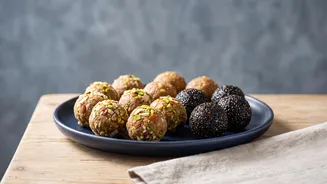
Once you are comfortable with the basics, you can venture into the world of dry fruit ladoos, also called Meva Ladoos. These are the picture of indulgence, yet they remain incredibly wholesome. One of the biggest advantages of dry fruit ladoos is that they are often made without any form of sugar or jaggery. Their sweetness comes naturally from ingredients like dates and dried figs (anjeer), which also act as the binding agent. A typical recipe involves lightly roasting a medley of nuts like almonds, walnuts, cashews, and pistachios, along with seeds like pumpkin, sunflower, and poppy seeds. These are then coarsely ground and mixed with a paste of soft, seedless dates. The result is a dense, chewy, and richly textured ladoo bursting with complex flavours and a wide array of nutrients. They are a treasure trove of vitamins, minerals, and fibre, offering a sophisticated and guilt-free way to satisfy your sweet cravings.
Exploring Traditional Winter Heirlooms
The world of winter ladoos extends far beyond these simpler variations, encompassing a range of recipes passed down through generations. Among the most revered are Gond ke Ladoos. Gond, or edible gum, is a resin that is fried in ghee until it puffs up like popcorn. These ladoos are legendary for their warming properties and are considered essential for building immunity and strengthening bones, often given to new mothers to aid postpartum recovery. Another classic is the Methi Ladoo, made with fenugreek seeds. While they have a distinct bitter note, they are prized for their ability to relieve joint pain and keep the body warm. Other variations include those made with Alsi (flaxseed) or mixed flours like wheat and besan. While these may require more ingredients and technique, they represent the rich diversity of India’s winter culinary heritage.