

Beyond the Launch: A Constant Vigil
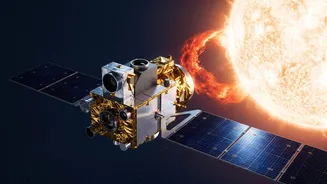
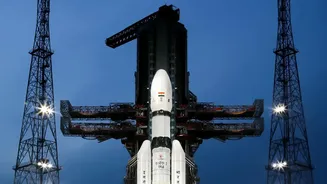
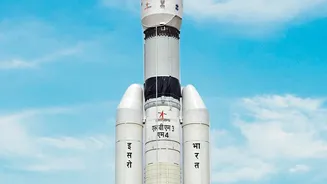
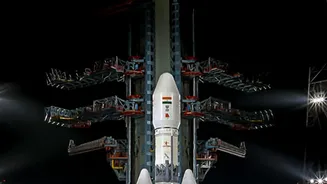
The initial excitement surrounding the launch of ISRO's Aditya-L1 mission in September 2023 was palpable. India had sent its first dedicated solar observatory on a 1.5 million-kilometre journey to a unique spot in space: Lagrange Point 1 (L1). From this
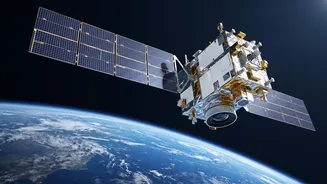
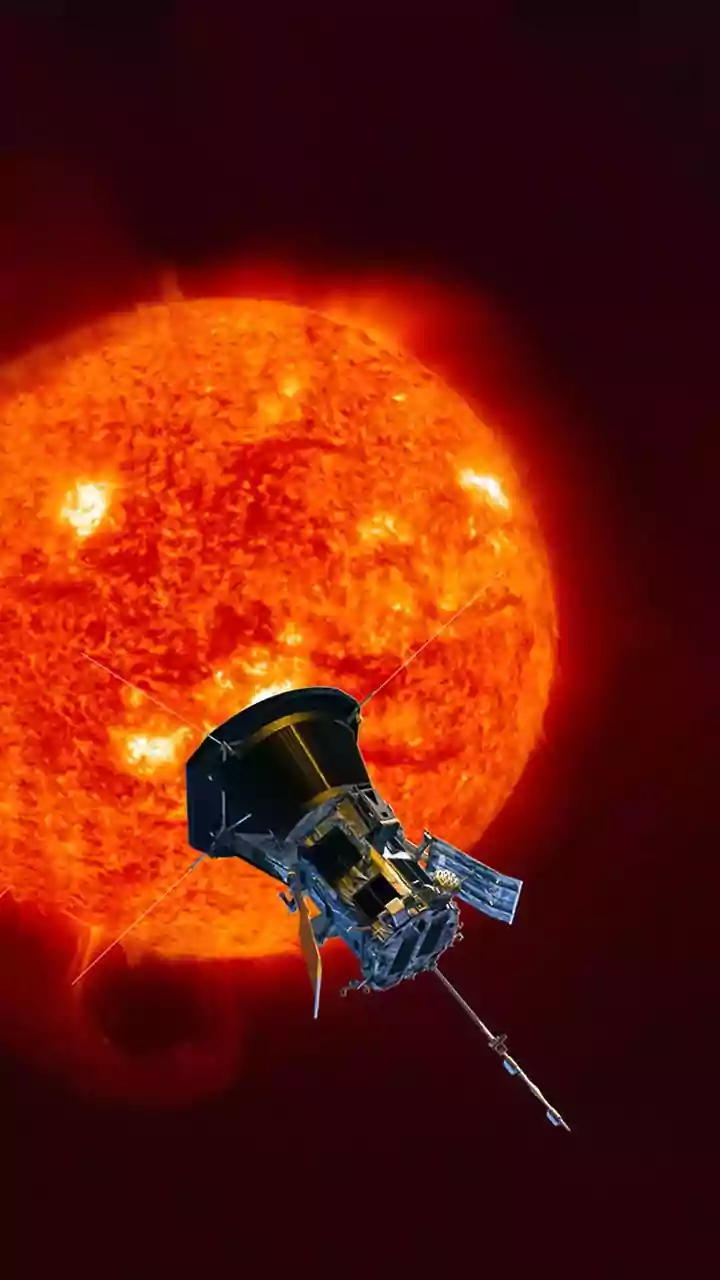
vantage point, it gets an uninterrupted, continuous view of the Sun. Since its successful insertion into a halo orbit in January 2024, Aditya-L1 has been operational, transmitting a steady stream of data back to Earth. But its mission is not a one-time achievement to be celebrated and forgotten. It is an ongoing, vital service. Its seven distinct payloads are designed to observe everything from the Sun's outer layers—the photosphere, chromosphere, and corona—to the solar wind and magnetic fields that emanate from it. This makes it a crucial tool for understanding and predicting space weather.
The Sun’s Violent Temper
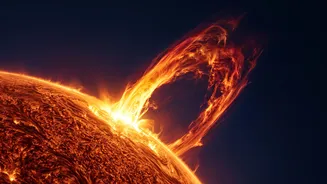
Our star, the source of all life on Earth, has a violent side. It regularly unleashes solar flares—immense explosions of radiation—and Coronal Mass Ejections (CMEs), which are colossal clouds of magnetised plasma and particles hurled into space. While the energy from a flare reaches us at the speed of light in about eight minutes, CMEs travel slower, taking one to three days to arrive. These events are not just cosmic light shows. When directed at Earth, they can wreak havoc. They can disrupt our planet's magnetic field, creating what is known as a geomagnetic storm. History provides a stark warning. The Carrington Event of 1859, the most powerful geomagnetic storm on record, caused telegraph systems worldwide to fail, with some operators reporting sparks flying from their equipment. A similar event today would be catastrophic.
Our Fragile Digital World
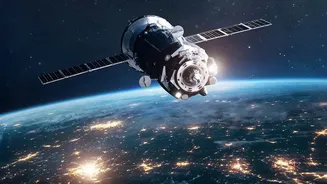
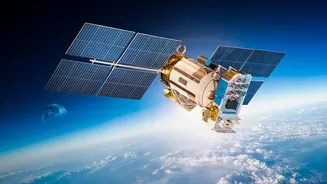
In 1859, the world ran on steam and muscle. Today, it runs on satellites, electricity, and the internet. A Carrington-level event in the 21st century could trigger widespread, long-lasting power blackouts by inducing currents that overload and damage transformers in our electrical grids. Our entire communications network is vulnerable. A severe solar storm could disrupt or damage satellites that provide GPS navigation, mobile phone connectivity, and television broadcasts. It could interfere with aviation and maritime navigation, and even impact internet services carried by undersea cables. In a world where everything from banking and UPI transactions to national security and daily logistics depends on these interconnected systems, the potential for chaos is immense. The modern society we have built is far more fragile to the Sun's whims than we often realise.
India's Celestial Watchtower
This is precisely why Aditya-L1 remains so timely. It acts as an early warning system. By studying the Sun's dynamics, scientists can better predict when a potentially hazardous solar storm is heading our way. Recent findings from the mission have already proven its value. Scientists using Aditya-L1's data have identified small, short-lived brightening events in the Sun's atmosphere that appear hours before a major flare erupts, offering a potential early warning sign. Using its suite of instruments, including the Solar Ultraviolet Imaging Telescope (SUIT) and X-ray spectrometers (SoLEXS and HEL1OS), the mission can see the build-up of magnetic energy that leads to these massive explosions. This predictive capability is a game-changer, moving space weather forecasting from after-the-fact analysis to genuine prediction. An early warning of even a day or two could give authorities time to put satellites into safe mode and take protective measures for power grids, mitigating the worst of the damage.