

The Situation on the Ground
According to India's Central Water Commission, the Ganga's water level has risen past the warning mark of 70.26 meters, reaching over 70.54 meters as of Thursday morning. While this is still below the official "danger level" of 71.26 meters, the river
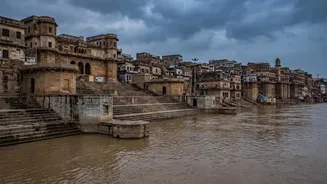
was reportedly rising at a rate of 2 centimeters per hour, prompting authorities to brace for worsening conditions. The rising water is not just from the Ganga; its tributary, the Varuna, is also swelling, causing extensive waterlogging in several city neighborhoods. This has a direct impact on residents, with reports indicating over a dozen localities and more than a thousand people have been affected by the flooding from the Varuna alone. As a result, local authorities, including the National Disaster Response Force (NDRF), have been deployed to monitor the situation and assist displaced families.
How Tourism and Travel Are Affected
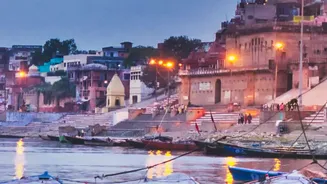
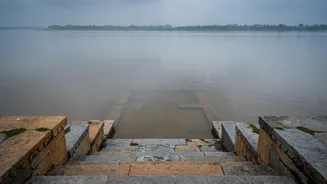
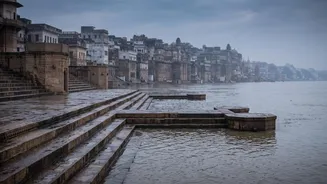
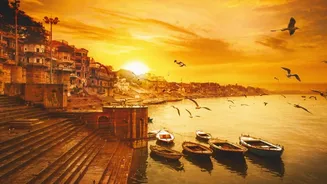
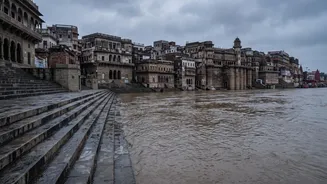
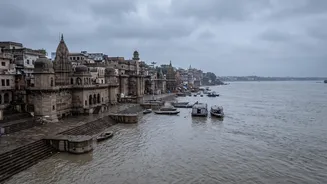
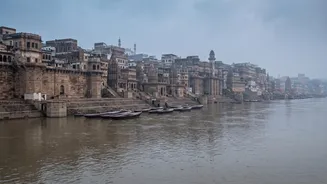
For travelers, the most immediate and significant impact is the complete suspension of all boat operations on the Ganga. This means the iconic sunrise and sunset boat tours, a central part of the Varanasi experience, are on hold. The city's 84 famous ghats—the long stretches of steps leading down to the river—are largely submerged, making them inaccessible and unsafe. Authorities have strongly advised both tourists and residents to stay away from the riverfront due to the strong currents. While hotels and temples located further from the river remain largely operational, getting around low-lying areas can be difficult due to waterlogged roads. While major transportation like flights and long-distance trains appear to be running, some local train services in the wider region have faced suspensions due to water on the tracks. Travelers planning to visit should confirm all bookings and check for local advisories before departure.
Impact on Cultural and Spiritual Life
The flooding directly impacts the spiritual heartbeat of Varanasi. The world-renowned evening Ganga Aarti, a spectacular fire ceremony held at Dashashwamedh Ghat, has been forced to move from its traditional riverside location to higher ground nearby. Perhaps most profoundly, the floods have disrupted the sacred cremation rites at Manikarnika and Harishchandra ghats. These open-air cremation grounds, which operate 24/7, have been inundated. This has forced grieving families to navigate knee-deep water and sludge, with cremations being performed on the rooftops of adjacent buildings or in narrow back lanes instead of the sacred platforms. The visual of funeral pyres on rooftops highlights the severity of the situation and the deep resilience of the city's ancient traditions.
What Happens Next?
The situation in Varanasi is dynamic and depends entirely on the weather. The India Meteorological Department has forecast continued rainfall in the region, which could cause the river to rise further toward the danger mark. Local officials, from the District Magistrate to Prime Minister Narendra Modi, who represents Varanasi in parliament, are closely monitoring the situation. Thirteen relief camps have been established to house hundreds of displaced families, providing shelter, food, and other necessities. For visitors or those planning a trip, the key is to remain informed and flexible. The flooding is a seasonal event tied to the monsoon, but its severity varies each year. The immediate advice is to postpone any activities planned on or near the river until the water recedes and authorities declare it safe.