

The Timeless Allure of Vintage Patterns
From the romantic florals of Victorian chintz to the bold geometrics of Art Deco, vintage patterns are having a major revival. These designs bring history, personality, and a layer of storytelling into our homes that mass-produced items often lack. Patterns
like large-scale botanicals, toile, and even elegant diamond motifs are finding their way into modern interiors, offering a welcome break from minimalist aesthetics. The appeal lies in their ability to make a space feel unique and collected over time. But incorporating these bold statements requires a thoughtful approach to prevent them from looking dated or cluttered.
Building Your Neutral Foundation
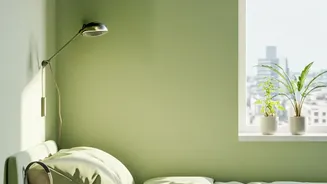
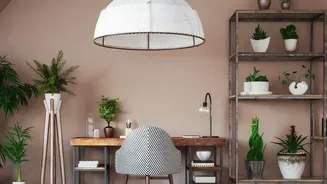
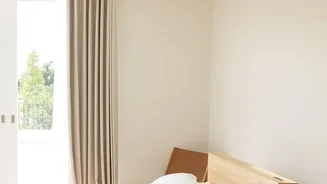
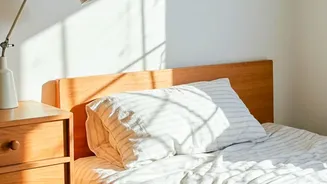
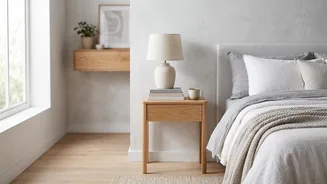
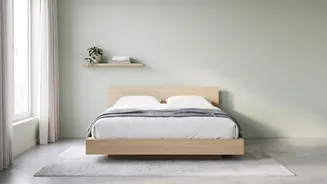
The key to successfully using vintage patterns is to start with a strong, neutral backdrop. But 'neutral' doesn't just mean white or beige. The modern neutral palette is incredibly versatile, encompassing warm neutrals like cream and tan, and cool neutrals like soft grey and taupe. Even muted tones of green, blue, or terracotta can function as neutrals, providing a calm foundation for bolder patterns to shine. When choosing your primary neutral, consider the lighting in your room. Warmer neutrals can make a north-facing room feel cosier, while cooler neutrals bring a serene, airy quality to sun-drenched spaces.
Mastering the 60-30-10 Rule
A classic interior design principle, the 60-30-10 rule, is perfect for balancing patterns. Think of it this way: 60% of your room should be a dominant, neutral colour—this is typically your wall colour and large furniture items like a sofa. 30% should be a secondary colour or texture; this could be another neutral, like wood tones in your furniture or solid-coloured curtains. The final 10% is where your vintage pattern comes in. This small but impactful percentage allows the pattern to act as a powerful accent—think throw pillows, a statement armchair, an area rug, or a piece of art—without overwhelming the senses.
Start Small and Scale Up
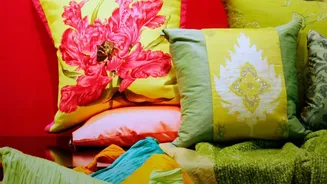
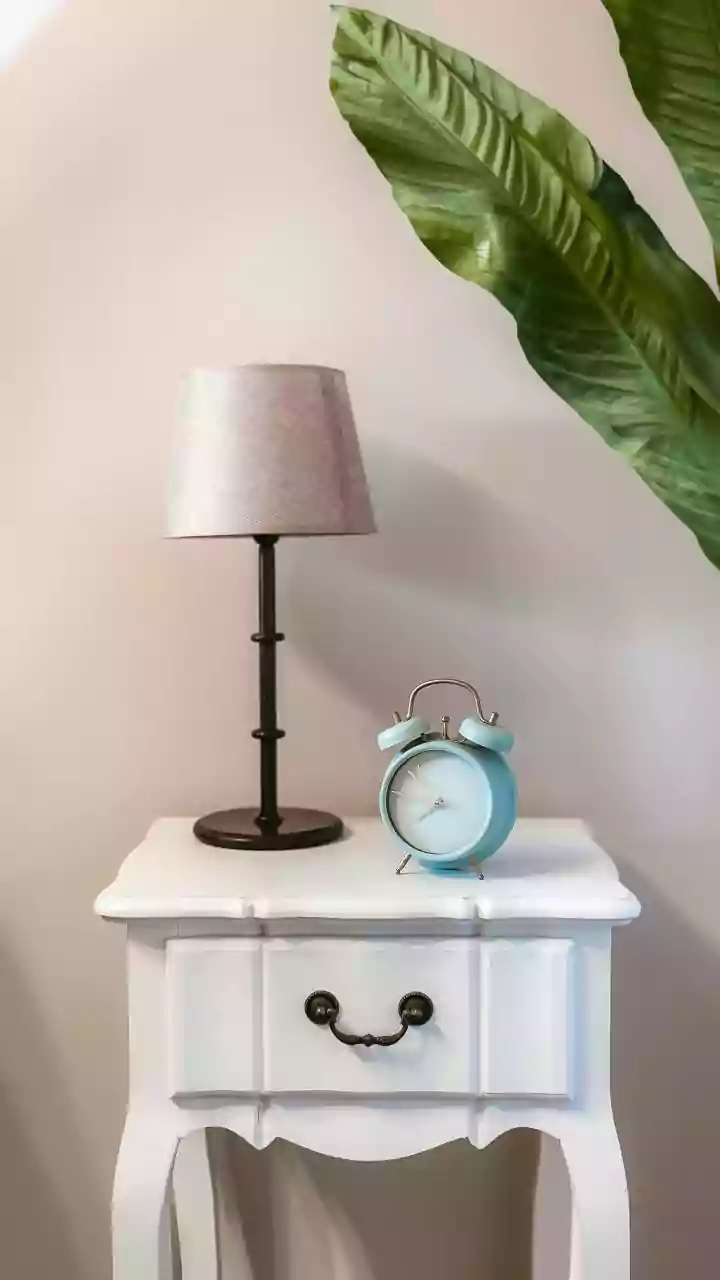
If you're new to mixing patterns, start with small, low-commitment items. A few patterned cushions on a solid neutral sofa, a vintage lampshade, or a runner in the hallway can introduce character without a major investment. Once you're comfortable, you can explore larger applications. An upholstered headboard, a single accent wall in a floral wallpaper, or a set of patterned dining chairs can become a stunning focal point. The key is to let one large-scale pattern be the 'hero' of the room and keep other patterns smaller and more subtle.
Mix and Match with Confidence
Mixing multiple patterns is an advanced move, but it's achievable if you follow a few guidelines. The most important rule is to maintain a cohesive colour palette. As long as the different patterns share two or three of the same colours, they will feel connected. Another key is to vary the scale of the patterns. A large floral print can work beautifully with a small, tight geometric or a classic stripe. This variation creates visual interest and depth, preventing the patterns from competing with each other.
The Importance of Texture
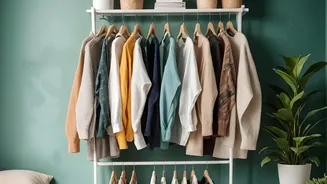
Finally, don't forget the role of texture. A room with only flat surfaces can feel lifeless, even with beautiful patterns. Layering in different textures like linen, velvet, wool, wood, and metal adds warmth and sophistication. Texture provides a visual resting place for the eye and complements both your neutral base and your patterned accents. A chunky knit throw on a patterned chair or a smooth wooden coffee table on a vintage-style rug creates a rich, sensory experience that feels complete.