








1. Idol Installation (Sthapana)
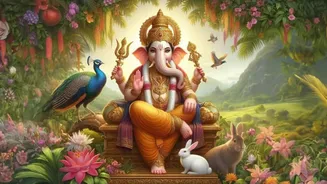
The festival officially begins with Ganesh Sthapana. Families bring home a clay idol of Lord Ganesha, often a day before the festival starts. The idol is placed on a decorated platform, or 'makhar', in a clean, sanctified part of the home. This act of bringing
Ganesha into the personal space marks the start of his tenure as a beloved, divine guest for the duration of the festival.
2. The Breath of Life (Pranapratishtha)
An idol is just clay until the Pranapratishtha ceremony. This is a pivotal ritual where, through the chanting of specific Vedic mantras, divine consciousness is invoked into the idol. A priest or the head of the family performs this rite, symbolically 'breathing life' into the murti. From this moment on, the idol is no longer just an image but a living embodiment of Ganesha, ready to receive worship.
3. The Sixteen-Step Worship (Shodashopachara Puja)
Each day, a detailed worship called Shodashopachara Puja is performed. This involves 16 distinct offerings that honour Ganesha as a revered guest. The steps include offering a seat, washing his feet, providing a sacred bath, dressing the idol in new clothes, and adorning it with sandalwood paste, flowers, and a sacred thread. This comprehensive ritual covers all aspects of welcoming and honouring the deity.
4. Morning and Evening Aarti
The twice-daily aarti is the heartbeat of the festival. Families and communities gather in the morning and evening to sing devotional songs in praise of Ganesha, accompanied by the waving of lamps. Famous aartis like "Sukhakarta Dukhaharta" fill the air, creating an atmosphere charged with devotion and collective joy. It's a moment of direct communion and celebration of the divine presence.
5. The Sweet Offering (Modak)
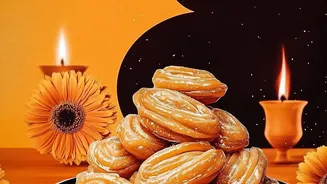
Ganesh Chaturthi is incomplete without modaks. These sweet dumplings, typically made from rice flour and stuffed with a mixture of coconut and jaggery, are believed to be Lord Ganesha's favourite food, earning him the name 'Modakpriya'. Devotees traditionally offer 21 modaks, symbolising sweetness, wisdom, and the blissful rewards of a spiritual life. This offering is a gesture of pure love and devotion.
6. Chants and Hymns (Mantras and Bhajans)
Throughout the festival, the air resonates with the sound of faith. Devotees continuously chant mantras like "Om Gan Ganpataye Namo Namah" and sing bhajans (devotional songs) dedicated to Ganesha. These sacred sounds are believed to purify the environment, focus the mind, and deepen the spiritual connection with the deity, making the home a vibrant centre of divine energy.
7. Daily Food Offerings (Bhog or Naivedya)
Besides modaks, a variety of special foods, known as 'bhog' or 'naivedya', are prepared and offered to Lord Ganesha daily. This includes fresh fruits, coconuts, and other sweets and savouries. The food is first offered to the deity and then distributed among family members and guests as 'prasad'—a blessed offering that carries divine grace.
8. Community Celebrations (Sarvajanik Pandals)
While home celebrations are intimate, the festival's grand scale is most visible in the 'sarvajanik' or community pandals. These temporary, elaborately decorated stages house large Ganesha idols for public viewing and worship. They become hubs of cultural activity, featuring music, dance, and social events that foster a sense of unity and shared celebration, a tradition popularised to unite communities.
9. Cultural Programmes and Storytelling
The festival is also a time for cultural enrichment. Many communities organise traditional music concerts, dance performances, and plays based on mythological stories. This keeps the artistic traditions alive and serves as a way to pass down the legends and teachings associated with Lord Ganesha to younger generations, blending devotion with entertainment and education.
10. The Farewell Immersion (Visarjan)
The festival culminates with Ganesh Visarjan, the immersion of the idol in a body of water. This can happen after 1.5, 3, 5, 7, or 10 days. The ceremony signifies Ganesha's return to his celestial abode, taking with him the obstacles of his devotees. It's a poignant farewell filled with chants of "Ganpati Bappa Morya, Pudhchya Varshi Lavkar Ya" (Oh Lord Ganesha, come back again early next year), symbolising the cycle of creation and dissolution and the hope of his return.