



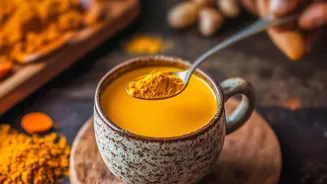

The Golden Touch of Turmeric
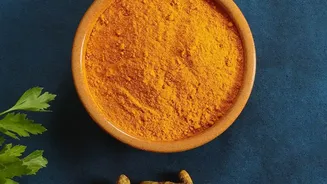
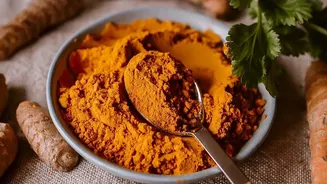
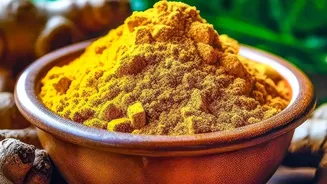
Turmeric, or 'haldi', is the artist's brush in the Indian spice box. Its primary role is to impart a beautiful, golden-yellow hue that makes food look appetizing and wholesome. Think of the sunny colour of a simple dal, the inviting tint in a bowl of fluffy
rice, or the warm glow of a vegetable curry. That signature look is almost always thanks to turmeric. But it does more than just colour. Turmeric has an earthy, slightly peppery, and mildly bitter flavour that adds a subtle depth without overpowering other ingredients. In most preparations, powdered turmeric is added to hot oil or ghee early in the cooking process. This 'blooming' of the spice mellows its raw taste and allows its colour to infuse the entire dish evenly. Be careful, as it can burn quickly, which creates a sharp, bitter taste. A little goes a long way; often, just half a teaspoon is enough to transform an entire meal.
The Pungent Heat of Ginger
If turmeric is the artist, ginger ('adrak') is the musician, providing the sharp, pungent notes that bring a dish to life. Unlike the fiery burn of chillies, ginger provides a clean, warming heat that is both aromatic and flavourful. It's a cornerstone of the ubiquitous ginger-garlic paste that forms the base of innumerable Indian gravies and stir-fries. The flavour of fresh ginger is bright and zesty, while dried ginger powder is more concentrated and earthy. For everyday cooking, fresh ginger is indispensable. Grated, minced, or julienned, it adds a fresh kick to marinades, lends its aromatic bite to simmering pots of chai, and provides a sharp counterpoint in lentil dishes and chutneys. When sautéed in oil at the start of cooking, it releases its fragrant oils, building a complex layer of flavour that defines the finished dish.
A Symphony of Aroma
When used together, turmeric and ginger create a foundational aroma that is quintessentially Indian. The magic often happens during the 'tadka' or tempering process, where spices are briefly fried in hot ghee or oil to unlock their essential oils. Imagine heating ghee, adding cumin seeds until they crackle, followed by a paste of ginger and garlic, and then a pinch of turmeric. The resulting fragrance is the promise of a delicious meal to come. This combination forms the aromatic backbone for everything from complex biryanis to simple vegetable subzis. The earthy scent of turmeric combines beautifully with the sharp, warm aroma of ginger, creating a balanced and inviting perfume that fills the home and whets the appetite before the first bite is even taken. This pairing is a perfect example of how Indian cooking layers flavours, starting with the aromatic base.
A Duo of Traditional Wellness
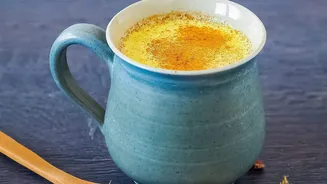
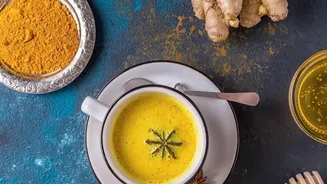
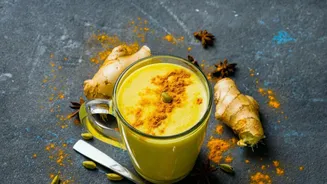
Beyond the kitchen, both turmeric and ginger have been celebrated for centuries in Ayurveda for their wellness properties. Turmeric's active compound, curcumin, is known for its anti-inflammatory and antioxidant properties. Similarly, ginger has been traditionally used to aid digestion, relieve nausea, and support immune function. A comforting cup of 'haldi doodh' (golden milk) or a soothing ginger-turmeric tea are common home remedies passed down through generations. While modern science continues to study these benefits, their inclusion in daily Indian meals is rooted in a holistic approach to food as both nourishment and medicine. Incorporating them into your daily dal, vegetables, or even just a warm drink is an easy way to tap into this ancient wisdom.
Simple Ways to Use Them Daily
Integrating these spices into your daily routine doesn't require elaborate recipes. Start your day with warm water infused with grated ginger and a pinch of turmeric. Add a half-teaspoon of turmeric powder while boiling lentils for your daily dal to aid digestibility and add colour. Create a simple marinade for chicken or paneer with yogurt, ginger-garlic paste, and turmeric. A simple vegetable stir-fry can be elevated by tempering oil with mustard seeds, ginger, and turmeric before adding your vegetables. You can even make a simple pickle with fresh, finely sliced turmeric and ginger, lemon juice, and salt for a zesty accompaniment to meals. The key is consistency; small amounts used daily can weave their flavour and benefits seamlessly into your life.