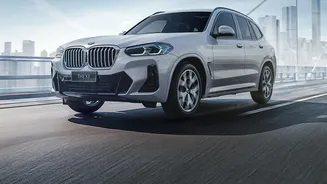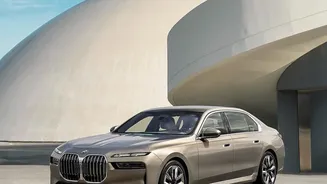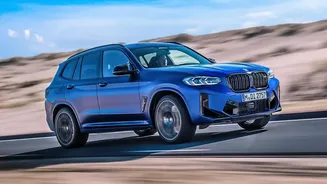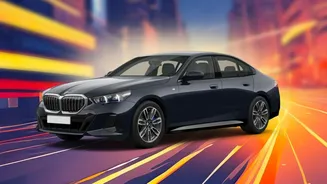




An Unprecedented Product Offensive
At the heart of BMW's strategy is a massive expansion of its product portfolio. Following its best-ever first-half sales performance in India, the company has announced plans to launch a staggering number of new vehicles. Recent reports confirm that after
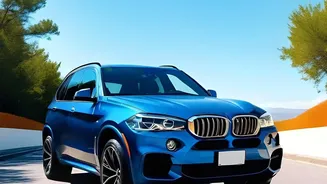
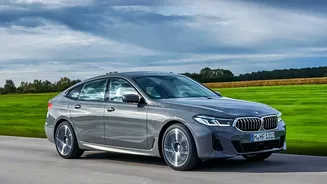
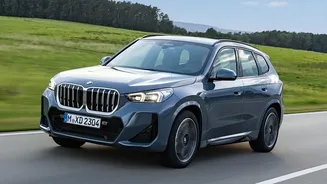
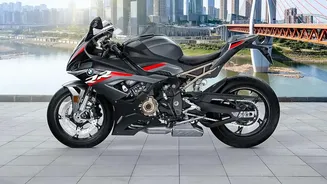
launching 11 new products in the first half of 2026, another 14 are slated for release by the end of the year. This torrent of new models includes all-new vehicles, significant facelifts, and special editions across its entire range. This strategy, dubbed the "Power of Choice," ensures that customers have options across petrol, diesel, and electric powertrains, often within the same model family. The aim is to leave no gap in the portfolio, from entry-level luxury sedans to top-end SUVs and high-performance M models.
The EV Gambit Pays Off
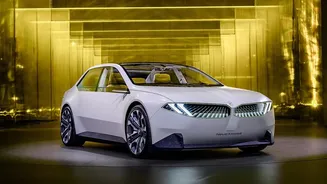
A key pillar of this product push is a strong focus on electric vehicles. BMW was an early mover in the premium EV space, and that bet is now yielding significant returns. The company saw a remarkable 78% year-over-year increase in EV sales in the first half of 2026. This growth has been a major driver of its overall market performance, helping it challenge for the top spot in the luxury segment. The EV lineup is diverse, featuring models like the iX1, i4, i5, and the flagship i7 sedan, catering to various price points and consumer needs. This has allowed BMW to successfully capture the surging consumer interest in electric mobility, which now accounts for a significant portion of its sales.
More Showrooms in More Cities
A wider range of cars is only effective if customers can see, touch, and test-drive them. Recognizing this, BMW is simultaneously undertaking a rapid expansion of its physical footprint. The company plans to grow its retail presence to 50 cities by the end of 2026. This involves not only adding more dealerships in major metropolitan areas but also making a concerted push into emerging Tier-2 and Tier-3 markets. Cities like Jodhpur, Guwahati, Nashik, and Mysore are on the expansion map. This move is designed to tap into new pockets of wealth and demand outside the traditional luxury hubs, bringing the brand closer to a new generation of aspirational buyers across the country.
Why This Two-Pronged Attack Matters
Coupling product expansion with network growth is a classic business strategy, but its timing and scale in India are what make it significant. The Indian luxury car market is projected to grow substantially, potentially doubling in value between 2026 and 2034. BMW’s aggressive moves signal immense confidence in this future growth. By offering a diverse product mix, the brand can cater to the varied tastes of Indian consumers—from the performance-oriented driver to the chauffeur-driven family. Simultaneously, by expanding its network, BMW is building the infrastructure needed to not only sell these vehicles but also provide the premium after-sales service that luxury buyers expect. This dual strategy is a clear statement of intent to not just compete, but to lead the market.