


Tilgul: A Symbol of Sweet Beginnings
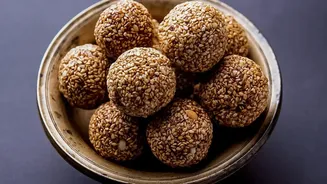
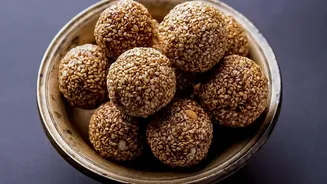
More than just a sweet, Tilgul is a cultural touchstone, especially in Maharashtra during the Makar Sankranti festival. Made from sesame seeds ('til') and jaggery ('gul'), these small ladoos or brittle pieces are exchanged among friends and family. The
act is accompanied by the saying, 'Tilgul ghya, goad goad bola', which translates to, 'Eat this sweet and speak sweet words'. It’s a beautiful tradition signifying the letting go of past grievances and starting afresh. The combination is also a powerhouse of nutrition, perfect for the winter season. Jaggery is known to produce heat in the body, while sesame seeds are packed with beneficial oils and minerals. To make it, sesame seeds are roasted until fragrant. Hot, melted jaggery is then mixed in, sometimes with additions like peanuts or coconut, and the mixture is quickly shaped into balls or flattened into a brittle. It is a simple, profound sweet that captures the essence of community and wellness.
Puran Poli: The Festive Flatbread
A beloved delicacy from Maharashtra and Gujarat, Puran Poli is a soft, sweet flatbread that defines festivals like Holi, Gudi Padwa, and Ganesh Chaturthi. The 'poli' is the outer covering, a soft dough made from whole wheat flour or a mix with all-purpose flour. The star, however, is the 'puran'—a luscious filling of cooked chana dal (split Bengal gram) and jaggery. The lentils are cooked until soft, mashed, and then simmered with grated jaggery until the mixture thickens. This sweet paste is perfumed with aromatic spices like cardamom powder and sometimes nutmeg, giving it a distinctive, festive fragrance. A ball of this puran is stuffed into the dough, which is then carefully rolled out and roasted on a tawa with a generous amount of ghee until golden-brown spots appear. Served warm, often with a spoonful of extra ghee, Puran Poli is pure comfort and celebration on a plate.
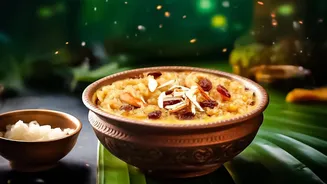
Nolen Gurer Payesh: A Bengali Delicacy
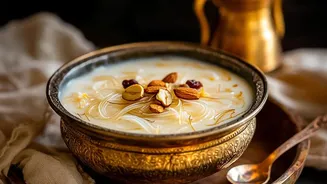
Come winter, and Bengali households fill with the smoky, caramel-like aroma of Nolen Gurer Payesh. This isn't just any rice pudding; it's a seasonal masterpiece sweetened with Nolen Gur, or date palm jaggery. This special jaggery is harvested only during the winter months from the sap of date palm trees, giving it a unique and much-loved flavour that cannot be replicated. The payesh is typically made with Gobindobhog rice, a short-grained, aromatic variety that lends a creamy texture to the dessert. Full-fat milk is slow-cooked, reduced until thick, and then the rice is simmered in it until perfectly soft. The crucial step is to add the jaggery only after turning off the heat, which prevents the milk from curdling while allowing the gur to melt and infuse the pudding with its signature flavour. Garnished with nuts, this payesh is the taste of winter in Bengal.
Unniyappam: Kerala's Sweet Snack
A popular snack from Kerala, Unniyappam are small, round, deep-fried sweets that are crispy on the outside and soft within. They are a common tea-time treat and also offered as 'prasadam' in temples. The batter is traditionally made by grinding soaked raw rice with ripe bananas and jaggery. This mixture is then enhanced with ingredients like fried coconut bits, black sesame seeds, and ground cardamom, which add texture and aroma. A special pan with multiple round moulds, called an 'appam chatti', is used for frying. Ghee or coconut oil is heated in each mould, and spoonfuls of the batter are poured in and cooked until golden brown on both sides. The bananas and jaggery give the Unniyappam its characteristic dark brown colour and a delicious, caramelised sweetness.
Patishapta: Bengal's Stuffed Crepe
Another winter favourite from Bengal, especially during Poush Sankranti, is the Patishapta. These are delicate, thin crepes made from a batter of rice flour, all-purpose flour (maida), and semolina (suji). The crepes are rolled around a delightful filling, which is most classically a mixture of freshly grated coconut cooked with date palm jaggery until it becomes a thick, fragrant paste. Sometimes, khoya (milk solids) is added to the filling for extra richness. Each crepe is cooked on a hot tawa, the filling is spread along one edge, and it's gently rolled up. Served warm, these soft, melt-in-the-mouth rolls are a testament to the simple yet elegant sweets of Bengali cuisine.