



Beyond Weight: Why Portions Matter
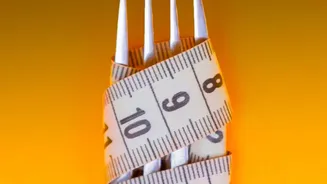
Portion control is often linked solely to weight loss, but its benefits are far more comprehensive. The amount of food you consume at one time directly impacts your digestion, blood sugar levels, and overall energy. Eating oversized portions can lead
to sluggishness, indigestion, and over time, an increased risk for chronic conditions. In contrast, appropriate portions allow your body to efficiently process food, absorb vital nutrients, and maintain stable energy throughout the day. The goal isn't to feel hungry, but to honour your body's true fullness signals, which is easier to do when your plate isn't overflowing.
Start in the Kitchen, Not Just on the Plate
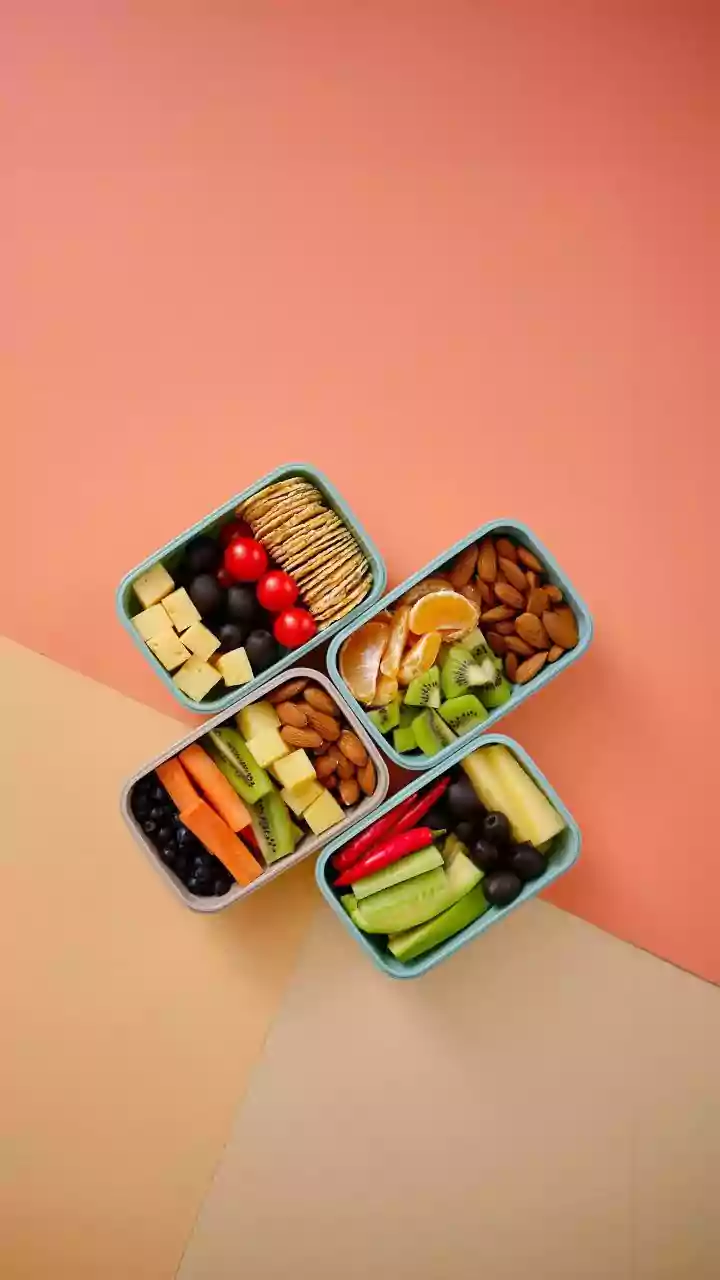
Effective portion control begins long before you sit down to eat. Smart habits in the kitchen can prevent accidental overeating from the start. Instead of cooking vast quantities, try batch cooking staple ingredients like brown rice or grilled chicken, which you can then portion out for multiple meals. When preparing a meal, measure out key ingredients like grains and proteins. Using measuring cups or even a food scale for a week can help calibrate your eyes to what a true serving looks like. Another simple trick is to immediately store leftovers in single-serving containers before you even serve dinner. This prevents the temptation of second or third helpings directly from the pot.
The Power of Visual Cues
You don't need to carry measuring cups everywhere. Your own hand is a surprisingly accurate and convenient tool for estimating portions. For Indian meals, a standard serving of cooked rice is about the size of your fist or a teacup. A single medium roti should be about the size of a small side plate. For proteins like dal, paneer, or chicken, a portion the size of your palm is a good guideline. Fats like oils and butter should be limited to about the size of your thumb tip. These visual cues are invaluable, especially when eating out, where portions are often one-and-a-half to two times a standard home serving.
Rethink Your Plate with the Plate Method
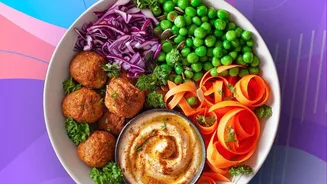
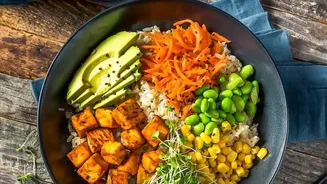
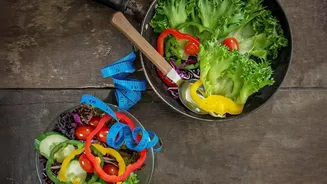
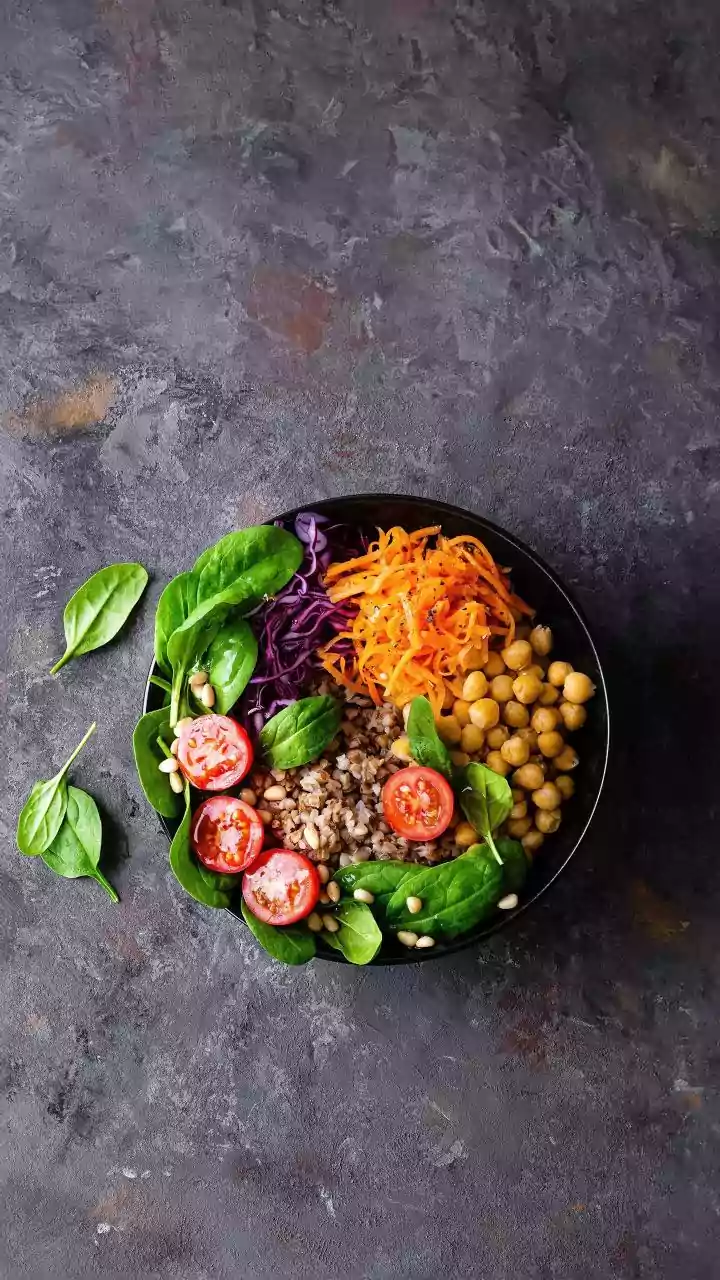
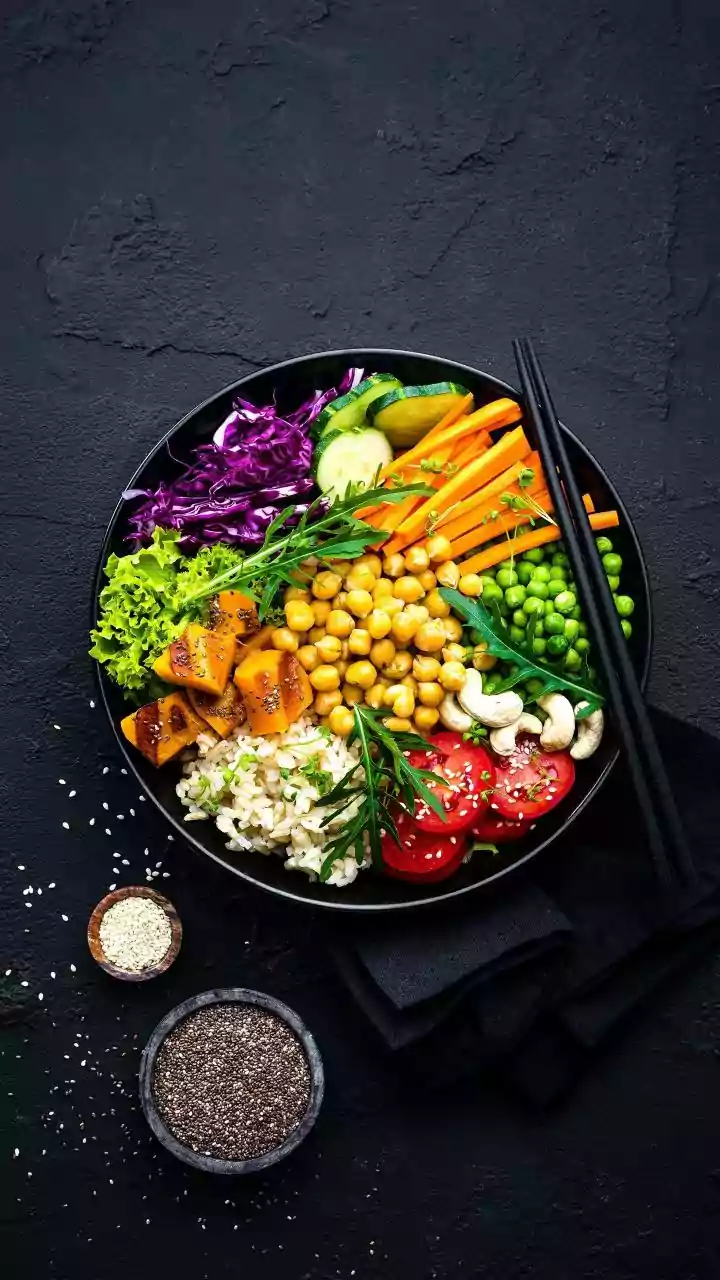
One of the most effective strategies is the 'Plate Method'. Visually divide your plate: half should be filled with non-starchy vegetables, one quarter with a lean protein, and the final quarter with carbohydrates like whole grains. This approach ensures a balanced intake of fibre, protein, and energy. Starting your meal with the vegetables can also help you feel fuller faster on fewer calories. Using smaller plates, such as a 9-inch salad plate instead of a larger dinner plate, can also make a standard portion feel more satisfying and substantial. This simple psychological trick can significantly reduce the amount you serve yourself without feeling deprived.
Eat Mindfully, Not Distractedly
How you eat is as important as what's on your plate. Eating while distracted by your phone, television, or computer makes it easy to miss your body's satiety cues. It takes about 15-20 minutes for your stomach to signal to your brain that it's full. By eating slowly, chewing thoroughly, and focusing on the flavours and textures of your food, you give your body the time it needs to register fullness. Before reaching for a second helping, pause for a few minutes and check in with your hunger levels. Often, you'll find that you are perfectly satisfied with your initial portion.