
An Art of Pure Physics
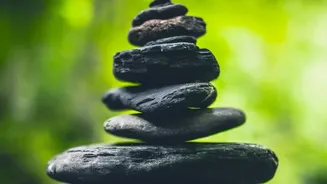
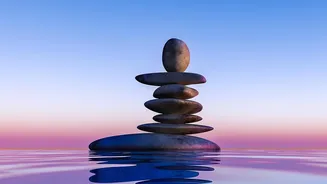
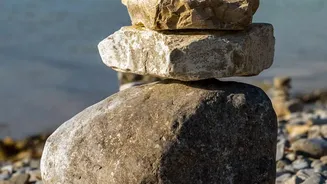
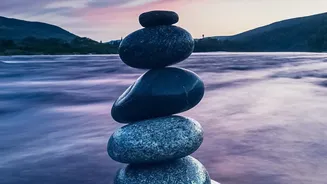
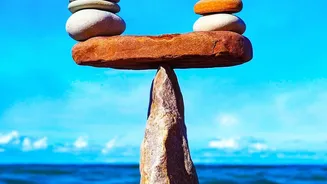
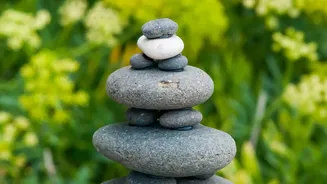
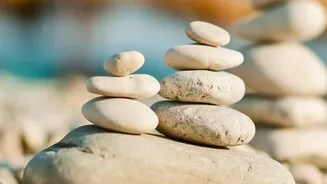
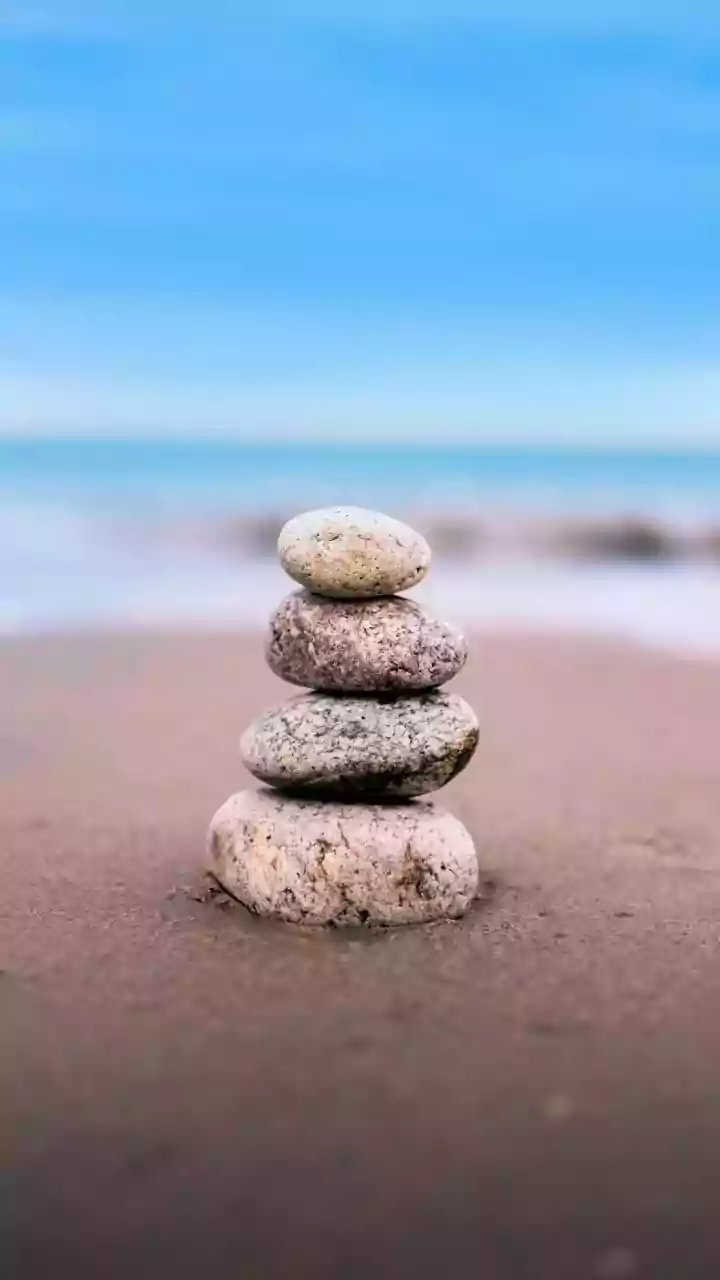
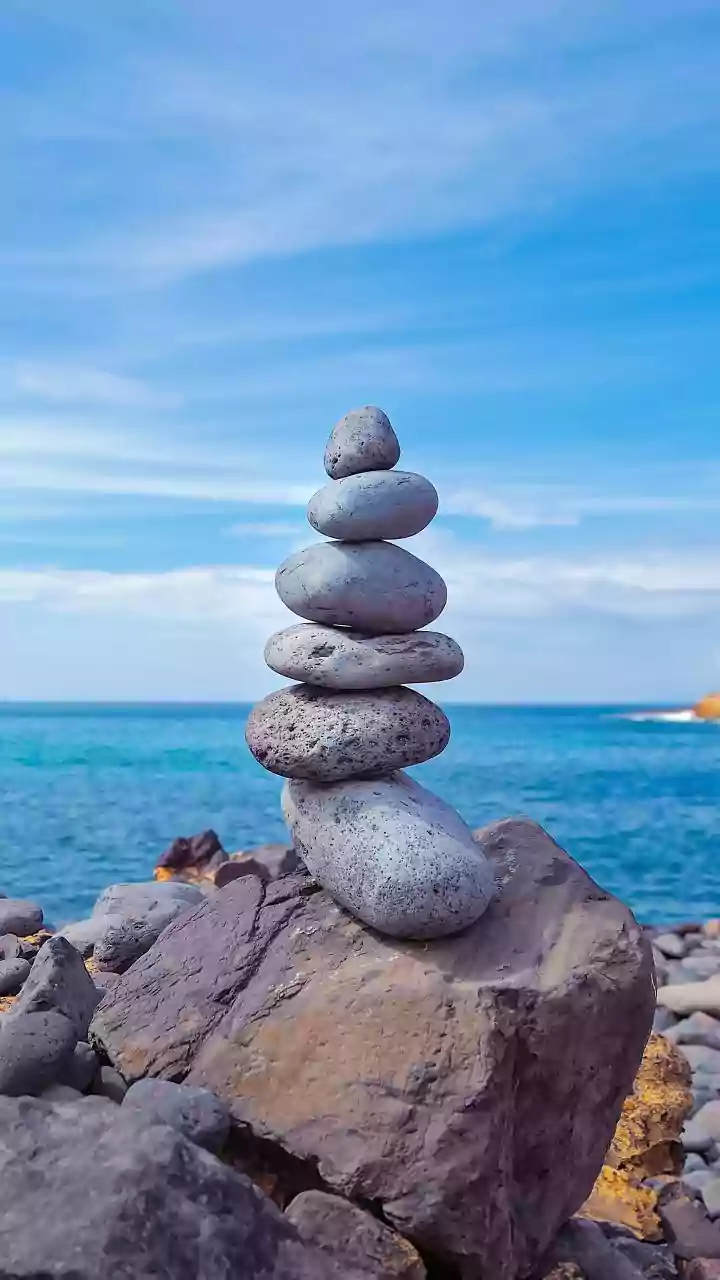
Stone balancing, also known as rock stacking, is the art of arranging stones in improbable formations without the use of any adhesives, wires, or supports. It is a discipline that relies solely on gravity and finding the natural balance point of each
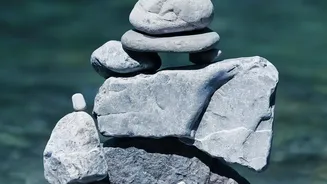
rock. Practitioners don't just pile rocks; they listen to them, feeling for the minute indentations and edges that will lock together. Every rock has imperfections that can serve as contact points, and the core principle often involves finding a stable tripod of three points to create a secure, if delicate, foundation. This process turns a simple, natural object into a component of a temporary sculpture, a testament to patience and the laws of physics.
A Meditation for the Modern Mind
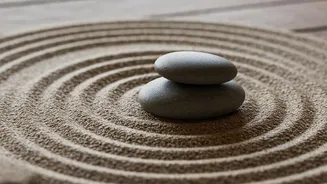
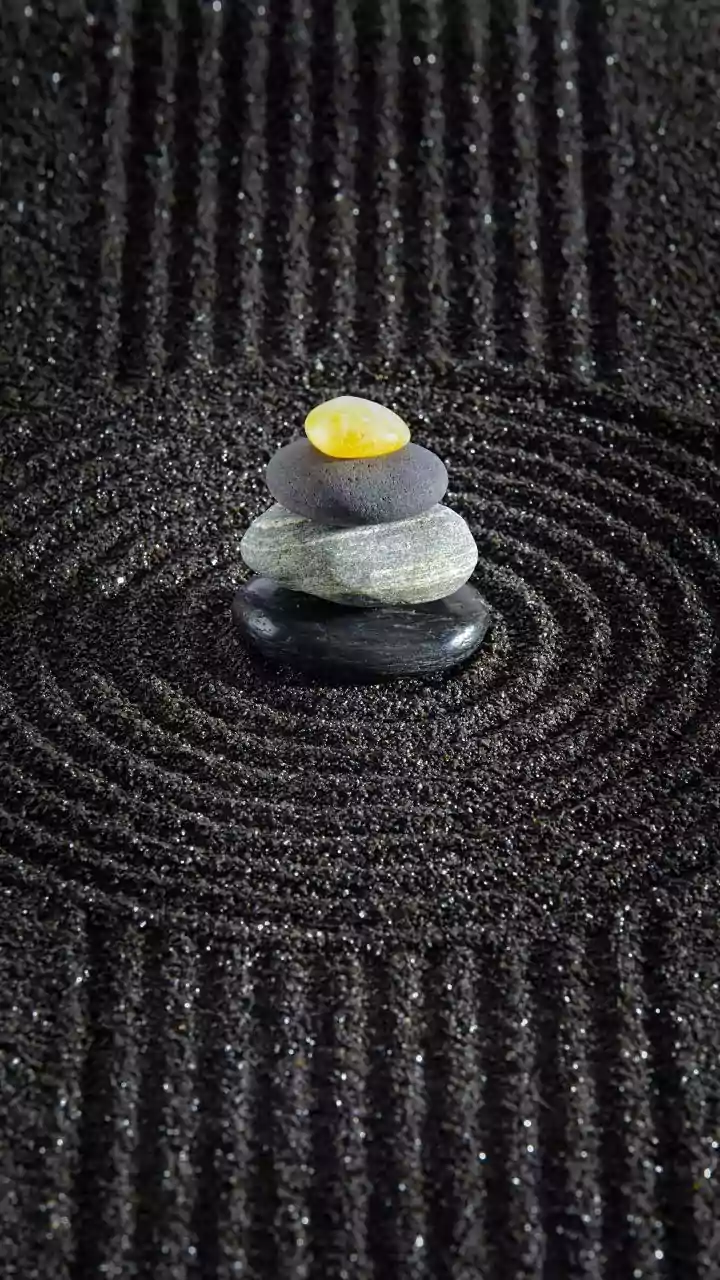
In a world filled with digital distractions, the intense concentration required for stone balancing offers a powerful antidote. To succeed, one must be completely present, silencing the mental chatter that often occupies our days. Practitioners describe entering a meditative, or 'flow,' state where the outside world falls away, and the only thing that matters is the connection between the stones. This state of deep focus helps reduce stress and anxiety, promoting a sense of calm and mental clarity. The practice is less about achieving a perfect stack and more about the process itself—a mindful exercise in patience, resilience, and being fully in the moment. Every attempt, whether it results in a standing sculpture or a tumbling pile, becomes part of the meditation.
Training for Physical Finesse
While stone balancing is a profoundly mental activity, it is also a surprising workout of the body's finer motor skills. The act of selecting, lifting, and placing each stone demands precise hand-eye coordination. Practitioners develop a heightened sensitivity in their fingertips, learning to feel for the subtle shifts in weight and the near-imperceptible 'click' as a rock settles into its balance point. This delicate dance of adjustments enhances dexterity and physical awareness. It’s a physical dialogue with the stone, requiring gentle pressure and subtle movements to counteract the pull of gravity. Over time, this practice can lead to improved coordination that benefits other physical activities in daily life.
From Ancient Practice to Global Community
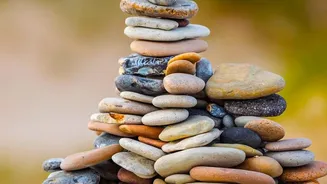
Stacking stones has held cultural and spiritual significance for centuries, from ancient trail markers called cairns to symbolic offerings at sacred sites. In some traditions, each stone in a stack can represent a prayer or an expression of gratitude. Today, this timeless practice has evolved into a global art form and wellness activity. Artists and hobbyists from all walks of life share their ephemeral creations online, celebrating a shared passion for finding balance in nature. This modern community has given stone balancing a new platform, showcasing its potential as both a creative outlet and a tool for personal growth.
How You Can Get Started
The beauty of stone balancing lies in its accessibility; all you need are stones and patience. Start by finding a stable base rock. Instead of trying to build a tall tower immediately, begin with a single rock, trying to balance it on its end. Feel for how it wants to fall and gently adjust it, using small cracks or depressions in the base as anchor points. The key is to quiet your mind and trust your sense of touch. Let go of the expectation for a perfect result; the true benefit is in the calming process of trying. This activity can be enjoyed by anyone, regardless of age or physical ability.