





An Unlikely Vision in the Desert
The story of Rajasthan's olive cultivation began not in a field, but with an observation. In 2006, then-Chief Minister Vasundhara Raje, while visiting Israel, noted the success of olive farming in the Negev desert. She saw a parallel and an opportunity
for Rajasthan's similar arid climate. Despite initial skepticism from agricultural bodies who cited past failures in other states, the Rajasthan government decided to pioneer the project. In 2007, this vision solidified with the formation of Rajasthan Olive Cultivation Ltd. (ROCL), a unique public-private partnership. This venture brought together the Rajasthan government, Israeli agricultural expertise from Indolive Limited, and crucial micro-irrigation technology from an Indian firm, Finolex Plasson Industries.
The Technology That Made It Possible
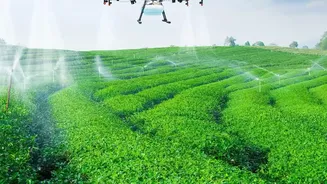
Growing a water-intensive crop in one of India's driest states seems counterintuitive. The key to unlocking this potential was technology—specifically, drip irrigation. This method, a specialty of the Israeli partners and supplied by their Indian counterparts, delivers water and nutrients directly to the roots of the plants in a controlled, precise manner. This system dramatically reduces water waste from evaporation or runoff, a non-negotiable for sustainable farming in a water-scarce region. Recognizing its importance, the state government offered significant subsidies to farmers for installing drip irrigation systems, making the transition to this new crop more financially viable. Computer-controlled systems allowed for precise 'fertigation'—the combined application of water and fertilisers—ensuring each of the 112,000 saplings imported from Israel received exactly what it needed to thrive.
From Grove to Commercial Bottle
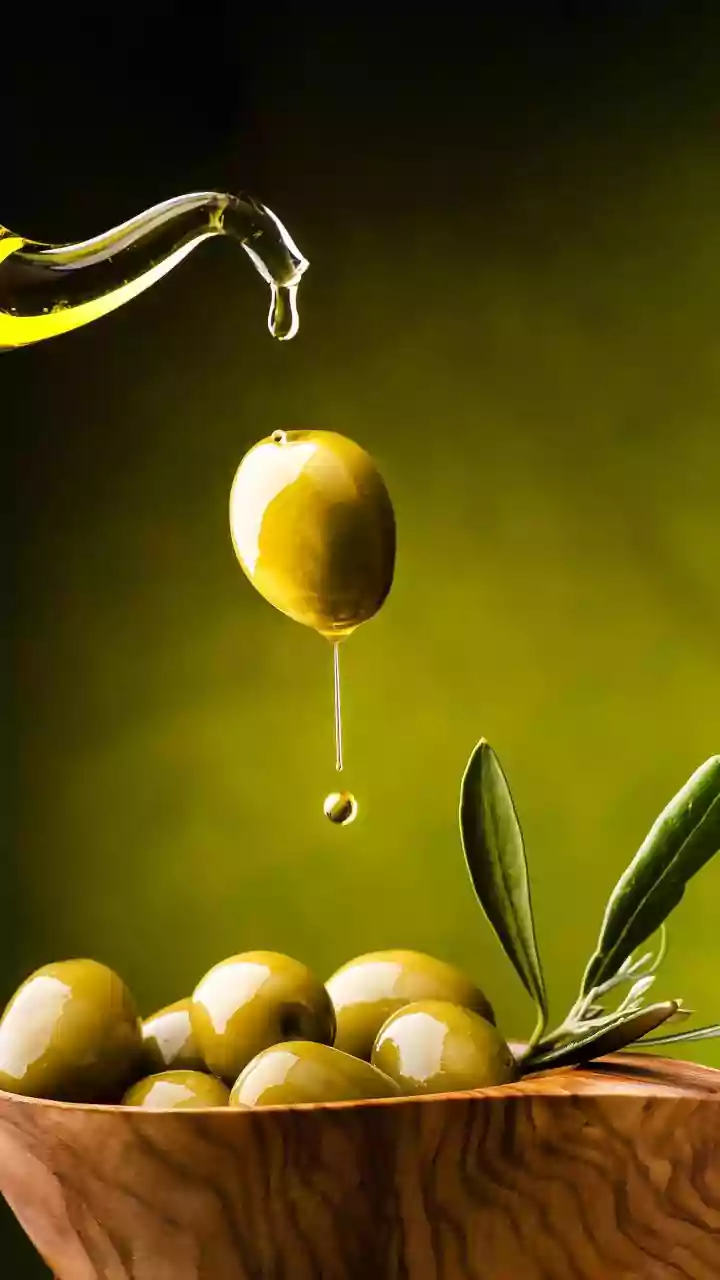
The patience and technological investment began to pay off. The first saplings, featuring seven different olive varieties like Barnea, Arbequina, and Koroneiki, were planted in 2008 across 182 hectares of government farms. By 2012, the trees yielded their first fruits. Laboratory tests confirmed that the olives had an oil content of 9-14%, meeting international quality standards. This success paved the way for commercialisation. An oil refinery was established in Bikaner, and in November 2016, a landmark was achieved with the launch of 'Raj Oil,' India's first indigenously produced olive oil brand. Since then, other local brands like Jaypore Olives have also entered the market, offering premium, cold-pressed extra virgin olive oil.
A New Economic Lifeline for Farmers
For farmers in the region, the olive project presented a lucrative alternative to traditional crops like bajra and wheat. Olive cultivation has the potential to increase a farmer's income to three or four times what they might otherwise earn per hectare. The government's support, through subsidies on saplings and irrigation, has encouraged more farmers to adopt this cash crop. The success has spread beyond oil, with by-products like olive tea—a caffeine-free health drink—also being developed and even gifted to international dignitaries. This diversification has helped create a new agricultural ecosystem, turning Rajasthan into a surprising hub for oleiculture.
Challenges and the Road Ahead
Despite its remarkable success, the journey has not been without its challenges. The long gestation period of five to six years before trees bear fruit requires significant upfront investment and patience from farmers. More recently, in 2026, concerns have emerged about declining yields due to climatic shifts and falling groundwater levels, which threaten the initial batch of trees planted nearly two decades ago. In response, the state government has begun seeking expertise from other global leaders in olive cultivation, such as Spain, to help revitalise the groves and ensure the long-term sustainability of the project. Managing water resources and adapting to climatic unpredictability remain the primary hurdles for the future of this green revolution in the desert.