
A Monsoon Culinary Tradition
The Sawan month, which corresponds with the peak of the monsoon, is a time of spiritual significance and specific dietary practices in many Indian households. While it's a period where some foods like leafy greens and even curd are traditionally avoided
due to slower digestion in the humid weather, it is also a time that inspires a deep craving for hot, fried snacks. There’s an undeniable comfort in pairing a cup of steaming chai with a plate of freshly made pakoras, samosas, or bhajis as the rain patters outside. It’s within this culinary landscape of monsoon indulgence that the Dahi Kebab finds its perfect moment, offering a sophisticated yet deeply satisfying snack experience.
The Allure of the Dahi Kebab
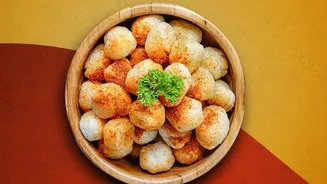
Dahi ke Kebab, which translates to yogurt patties, is a celebrated vegetarian appetizer from North Indian cuisine, with roots often traced to the rich culinary traditions of Awadhi cooking in Lucknow. Unlike their meat-based counterparts, these kebabs are defined by their unique primary ingredient: dahi, or curd. The preparation results in a snack that is famously crisp on the outside while revealing a melt-in-your-mouth, creamy interior. This textural duality is what makes them so compelling. They are a restaurant favourite and often reserved for special occasions, but their popularity soars during the monsoon when the desire for a warm, crunchy, and flavourful bite is at its highest.
The Art of Contrasting Textures
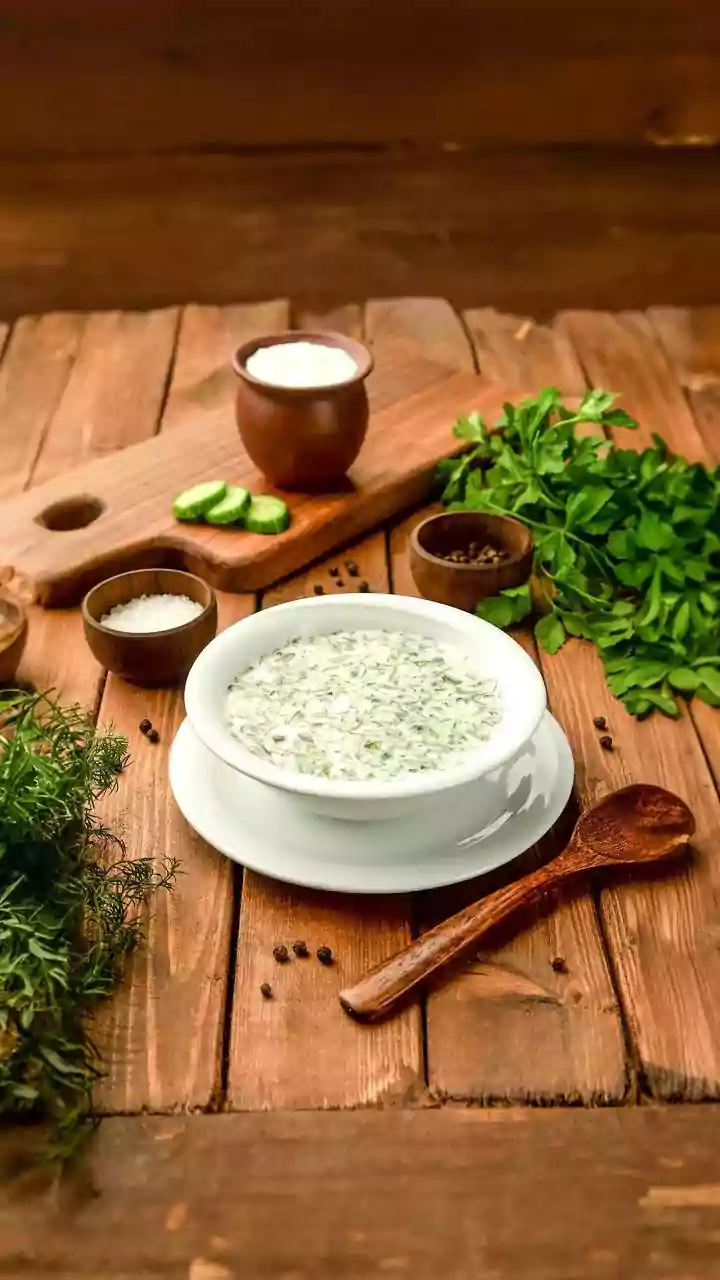
The magic of a perfect Dahi Kebab lies entirely in achieving its signature textural contrast. The journey begins with hung curd, which is regular yogurt that has been strained for hours to remove all its whey. This process results in a thick, creamy, cheese-like base that is essential for the kebab's soft interior. This thick curd is then mixed with binding agents like roasted gram flour (besan) or breadcrumbs, which absorb any remaining moisture and help shape the delicate patties. For the exterior, a coating of breadcrumbs or sometimes semolina (sooji) is applied before frying. When shallow-fried in hot oil, this outer layer turns a perfect golden brown, creating a shatteringly crisp shell that gives way to the soft, tangy, and almost fluffy center. This interplay between the crunchy coating and the creamy core is what defines every satisfying bite.
Building Flavour and Form
While hung curd provides the base, a symphony of other ingredients builds the kebab's flavour and structure. Crumbled paneer (Indian cottage cheese) is a common addition, lending body and balancing the tang of the yogurt. Finely chopped onions, ginger, and green chillies provide aromatic warmth and a hint of spice. Spices such as garam masala, cumin powder, and black pepper are mixed in to create a well-rounded, savoury flavour profile. To introduce another layer of texture, many recipes call for finely chopped nuts like cashews, which add a subtle crunch within the soft interior. The mixture must be handled gently, as it is naturally soft and delicate. Once shaped, the patties are often refrigerated for a short period to help them firm up before frying, ensuring they hold their shape and achieve maximum crispness.
Serving and Savouring
Dahi Kebabs are best served hot, straight from the pan, to fully appreciate their textural contrast. They are traditionally accompanied by chutneys that complement their flavour. A cooling mint-coriander chutney provides a fresh, herbal counterpoint, while a sweet-and-sour tamarind chutney adds another dimension of taste. Served alongside a cup of hot masala chai, they create the quintessential monsoon evening snack. More than just a dish, they represent a moment of indulgence and comfort, a perfect treat to be shared with family and friends while watching the rain fall. The experience is one of pure sensory delight—the crunch, the creaminess, and the warm, savoury flavours coming together in perfect harmony.