



An Extraordinary Natural Event
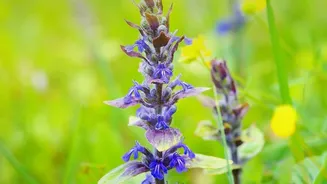
The Neelakurinji, or Strobilanthes kunthiana, is a shrub endemic to the high-altitude shola grasslands of the Western Ghats. What makes it truly extraordinary is its highly synchronized flowering cycle. The plant flowers just once in its lifetime, sets
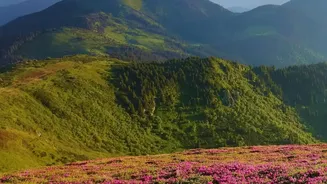
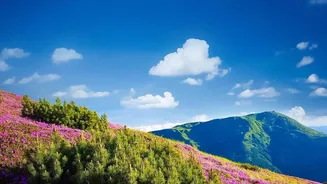
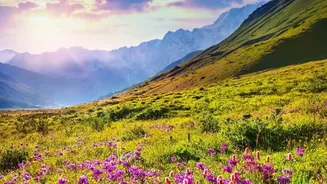
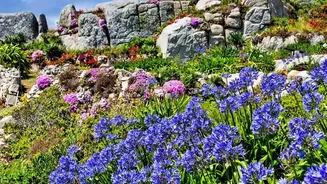
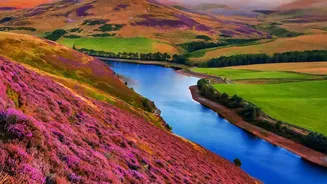
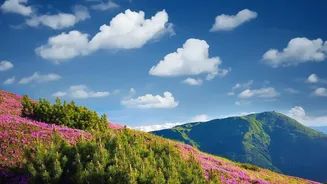
seed, and then dies, with the next generation repeating the cycle roughly 12 years later. This rare, mass blooming event, known as gregarious flowering, transforms entire hillsides into a breathtaking carpet of colour, drawing nature lovers from around the world. The name itself is a giveaway: in Tamil, 'Neela' means blue and 'Kurinji' is a local name for the flower. It's this very phenomenon that is believed to have given the Nilgiris, or 'Blue Mountains', their name.
Why Is the Bloom Happening in 2026?
Many travellers associate Munnar's Neelakurinji bloom with the year 2018, leading to the expectation that the next major event would be in 2030. While that is true for the famous population within the protected Eravikulam National Park, it's not the whole story. The Western Ghats host different populations of Neelakurinji that operate on separate 12-year clocks. The bloom currently underway in September 2026 is from a different population located around the Chokramudi and Mattupetty-Korandakkad hills. This group last flowered in 2014, making 2026 its scheduled year to burst into colour. So, this year's spectacle is not an early arrival of the 2030 bloom but a unique event in its own right.
Where to See the Flowers
For those hoping to witness the 2026 bloom, the focus should be on the hills outside Eravikulam National Park. The main viewing areas are currently concentrated around Chokramudi and the scenic slopes near Mattupetty. Forest officials have opened the Kurinji Garden at Chokramudi to visitors, with an entry fee system in place. The flowering has also been reported on tea estate lands belonging to Kanan Devan Hills Plantations in the Korandakkad area. The bloom typically begins in August and is expected to reach its peak through September and October, offering clear views after the monsoon. As the season progresses, the flowers are expected to spread across higher altitudes, including parts of Meesapulimala.
A Fragile Treasure: Responsible Tourism Is Key
The return of the Neelakurinji is a major draw for tourism, but it also highlights the fragility of the mountain ecosystem. The plant plays a vital role in protecting high-altitude grasslands from soil erosion. Authorities are urging visitors to practice responsible tourism. This means sticking to designated paths to avoid trampling the plants, not plucking or uprooting the flowers, and keeping the areas plastic-free. The plant is protected under Kerala's laws, and damaging it can lead to hefty fines and even imprisonment. Recently, forest officials booked cases against individuals for plucking the flowers and posting images on social media, a stark reminder of the seriousness of conservation efforts. The goal is to ensure this natural heritage can be witnessed by future generations.
Planning Your Trip
If you're planning a trip, the best time to visit for the 2026 bloom is between September and October. Munnar is well-connected by road from major cities in Kerala and Tamil Nadu. The nearest major railway station is Aluva (around 110 km away), and the closest airport is Cochin International Airport (also about 110 km away). From Munnar town, local transport can take you to the designated viewing areas like Chokramudi. Given the influx of tourists, it's wise to book accommodations in advance. Remember to carry comfortable walking shoes and light woollens, as the weather in the hills can be chilly.