






A Shift in Delivery Speed
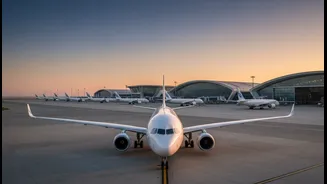
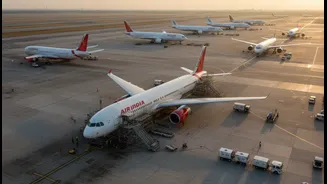
Air India's ambitious transformation plan, Vihaan.AI, is about to hit a new gear. According to recent statements from the airline's leadership, the delivery of its new aircraft is expected to significantly accelerate from late 2026. This push is part
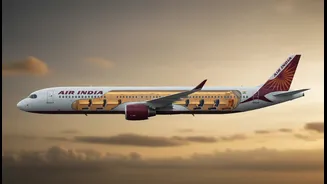
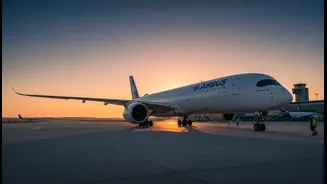
of the Tata Group-owned carrier's strategy to modernise its fleet, enhance passenger experience, and expand its global and domestic networks. While some new planes have already been arriving, including the impressive Airbus A350s, the latter part of 2026 is marked as the period when the pace will truly pick up, continuing into 2027 and beyond. The plan involves adding 50 to 60 aircraft annually for the next several years, a mix of wide-body and narrow-body jets that will form the backbone of a revitalised Air India.
Recapping the Landmark Order
To understand the scale of this acceleration, it’s important to recall the monumental order Air India placed in early 2023. The airline committed to purchasing 470 aircraft from Airbus and Boeing, one of the largest single aircraft deals in aviation history. The order is a diverse mix designed for every type of route: 210 Airbus A320/321neos and 190 Boeing 737 MAX jets for domestic and short-haul international flights, and 70 wide-body aircraft—including 40 Airbus A350s, 20 Boeing 787s, and 10 Boeing 777-9s—for long-haul international services. This massive investment is the cornerstone of the airline's effort to reclaim its status as a world-class carrier, moving away from its previous reputation for an ageing fleet.
What's Arriving on the Tarmac?
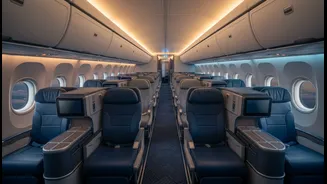
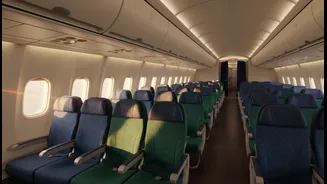
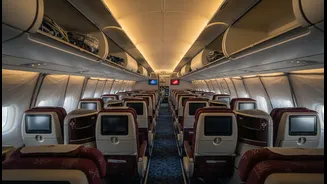
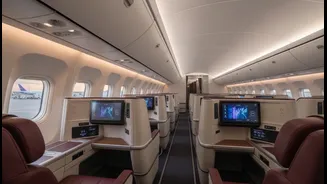
The incoming fleet represents a complete overhaul of the passenger experience. The narrow-body A320neos and 737 MAXs will primarily serve to strengthen domestic routes and flights to nearby countries, offering increased efficiency and reliability. The wide-body jets are set to transform Air India's international presence. The Airbus A350s have already begun to fly, introducing new cabin interiors, modern in-flight entertainment, and a premium economy class on select routes. The upcoming Boeing 787-9 Dreamliners and the next-generation 777-9s will further this effort, allowing Air India to launch new long-haul routes and increase frequencies on popular existing ones, particularly to North America and Europe. This mix allows for strategic deployment, using the right aircraft to match route demand and passenger expectations.
Hurdles on the Runway
Despite the optimism, the path to a fully modernised fleet is not without challenges. Both Airbus and Boeing have been facing significant global supply chain issues and production delays, which have impacted airlines worldwide. Outgoing CEO Campbell Wilson has publicly expressed regret that these delays, which were outside the airline's control, have slowed the transformation journey. These production bottlenecks affect everything from engines to cabin seats, creating a ripple effect across the industry. Air India's ambitious delivery schedule will depend heavily on the ability of these manufacturing giants to resolve their issues and ramp up production to meet their contractual commitments.
What This Means for Passengers
For travellers, the acceleration in fleet renewal is overwhelmingly good news. The most immediate benefit will be a significantly improved onboard experience. Newer aircraft mean modern, cleaner cabins, state-of-the-art inflight entertainment systems, and the introduction of new seating options like Premium Economy on more routes. In parallel with new deliveries, Air India is also retrofitting its existing legacy wide-body aircraft to bring them up to modern standards. The network expansion will lead to more direct flight options, particularly for international travel, reducing layover times. Ultimately, a younger, more fuel-efficient fleet will also help the airline manage operational costs, which could lead to more competitive fares in the long run as it competes with both domestic and international carriers.