


Visa: The Rules Are Easing
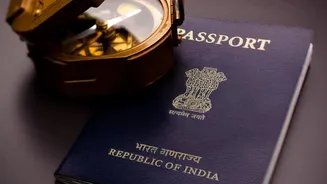
For years, the visa process was a significant hurdle. Today, it’s refreshingly simple. Most Indian travellers can apply for an e-visa online for a fee of around $20 USD. The process is straightforward, requiring a digital photo and passport scan, with
approval typically arriving via email within a few working days. This e-visa allows for a 30-day stay. Even more conveniently, as of September 2026, Indian citizens who hold a valid, multiple-entry visa for countries like the US, UK, or Schengen states can enter Uzbekistan visa-free for up to 30 days, provided they have a return ticket. While a broader 30-day visa-free agreement was announced in late August 2026, its official start date has not yet been confirmed, so the e-visa or the exemption via another country's visa remain the primary routes for now.
Getting There: Direct Flights Increase
Connectivity between India and Uzbekistan is improving. Uzbekistan Airways has long operated direct flights from Delhi to the capital, Tashkent, a journey of about four hours. More recently, Centrum Air announced the launch of direct flights from Hyderabad to Tashkent, starting in late September 2026. This expansion of direct routes makes accessing the country easier than ever. For travellers from other Indian cities like Mumbai or Bengaluru, the most common routes involve a single stop, usually in Dubai or Istanbul. Booking a few weeks in advance can yield round-trip fares that are competitive with other popular international destinations.
The Cultural Connection: Familiar Echoes
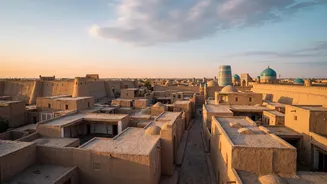
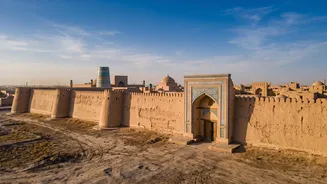
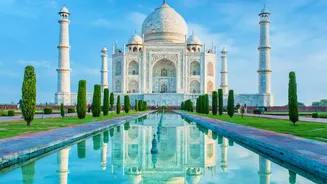
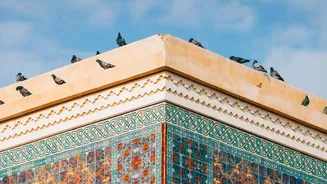
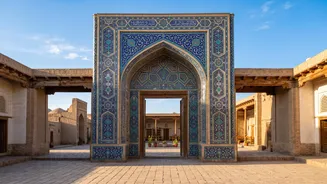
Uzbekistan often feels surprisingly familiar to Indian travellers. The historical link is profound—Babur, the founder of the Mughal Empire, hailed from the Fergana Valley in modern-day Uzbekistan. This shared heritage is echoed in the grand arches of madrasas, the intricate tilework, and even the food. The national dish, plov, is a rich rice pilaf that shares a clear ancestry with Indian pulao, while the popular street food somsa is a close cousin to the samosa. Beyond history, there's a modern affinity. Indian films, from Raj Kapoor classics to modern Bollywood hits, are immensely popular, and locals are often warm and welcoming towards visitors from India.
The Limit: A Meat-Heavy Cuisine
Herein lies a significant challenge for many Indian travellers: Uzbek cuisine is dominated by meat, primarily lamb and beef. Dishes like plov, shashlik (kebabs), and lagman (noodle soup) are national staples. While vegetarianism isn't widely understood as a concept, it is possible to navigate the food scene with some planning. Look for achichuk, a simple, refreshing tomato and onion salad, and the ubiquitous, delicious bread called non. Some restaurants in tourist areas are beginning to offer vegetarian versions of plov, and you can often find pumpkin-filled (kadu) or spinach-filled (kuk) somsas. Salads, grilled vegetables, and fresh fruits are plentiful in the bazaars. However, strict vegetarians should communicate their needs clearly, perhaps using a translation app, and consider booking stays with kitchens or hosts who can accommodate their dietary preferences.
The Limit: Language and Logistics
Outside of Tashkent's international hotels, English is not widely spoken. The main languages are Uzbek and Russian. This can present a barrier when negotiating with taxi drivers or ordering food in local cafes. Downloading an offline translation app like Google Translate is highly recommended. Another key point is money. Uzbekistan is largely a cash-based economy. While ATMs are available in major cities, credit cards are rarely accepted outside of high-end establishments. It's essential to carry sufficient Uzbek Som for daily expenses. Lastly, all foreign visitors staying for more than three days must be registered. Hotels handle this automatically, providing you with small registration slips. It is crucial to retain these slips for your entire trip, as they may be checked upon departure.
Is It Safe?
Overwhelmingly, the evidence points to yes. Uzbekistan is widely regarded as a very safe country for tourists, with low rates of violent crime. Solo female travellers also report feeling secure. The government maintains a visible security presence, particularly in tourist areas. The usual precautions apply, such as being mindful of your belongings in crowded bazaars to avoid pickpockets. While Uzbekistan shares a border with Afghanistan, it is heavily monitored, and regional instability has not historically impacted the safety of tourist areas.