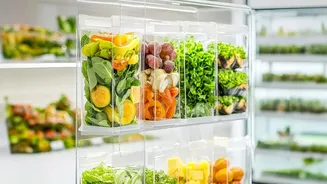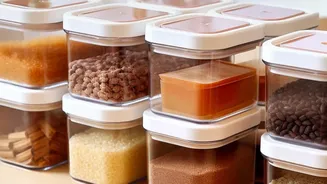




What 'Food-Grade' Actually Means
When a product is labelled 'food-grade', it means the material itself is considered non-toxic and safe for direct contact with food under its intended conditions. Regulatory bodies like the Food Safety and Standards Authority of India (FSSAI) set standards
to ensure that these materials don't transfer harmful substances into your food in quantities that could endanger health or change the food's taste and smell. In essence, 'food-grade' refers to the raw material's suitability. It’s a certification that the plastic, silicone, or steel is free from toxins that could leach out, but this certification comes with a very important, and often overlooked, caveat: it only applies when the product is used as intended.
The All-Important 'Intended Use' Clause
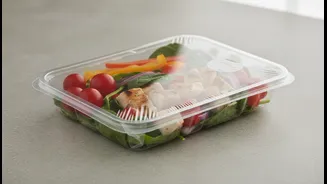
Here's where many of us get it wrong. A food-grade designation is not a universal passport for all kitchen activities. The real term to look for is 'food-safe', which considers the specific application. A material is only 'food-safe' when used for the purpose it was designed for. For example, a thin plastic container might be food-grade for storing cold salads in the fridge, but it is not food-safe for microwaving a hot curry. The high heat can cause the plastic to warp, melt, or leach chemicals, even if the base material is technically 'food-grade'. Factors like temperature, the acidity of the food, and contact duration all determine if a food-grade item is truly safe in a given situation.
Decoding the Numbers on Plastics
The small number inside a triangle on the bottom of plastic containers is a Resin Identification Code (RIC), which tells you the type of plastic it's made from. This code is a helpful guide but doesn't automatically guarantee safety for all uses. Generally, plastics with codes #2 (HDPE), #4 (LDPE), and #5 (PP) are considered safer for food contact. Number 5 plastic (Polypropylene or PP) is often used for microwave-safe containers because of its high melting point. In contrast, you should be cautious with #1 (PET), which is meant for single-use like water bottles and can degrade with reuse, and avoid #3 (PVC), #6 (PS - Polystyrene), and some #7 plastics for food, especially with heat.
Common Kitchen Mistakes to Avoid
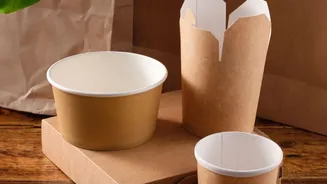
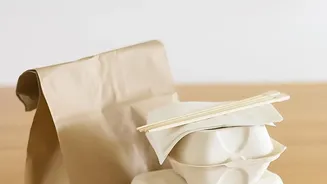
Thinking beyond the label can prevent unintended exposure to chemicals. A common mistake is reheating food in single-use takeaway containers. These are typically not designed for microwave heat. The same goes for margarine tubs, yoghurt cups, and ice cream containers; they are made for cold storage, not for reheating leftovers. Another frequent error is repeatedly refilling single-use plastic water bottles (Plastic #1). Over time and with repeated washing, the plastic can break down, potentially releasing microplastics or chemicals. Also, be wary of using decorative ceramic bowls for serving food unless they are explicitly marked as food-safe. The glazes may contain lead or other heavy metals that are not intended for food contact.
Your Safety Checklist
To ensure you’re using your kitchenware safely, follow a few simple rules. First, always check for a 'microwave-safe' symbol or text before putting any plastic container in the microwave; don't just rely on the food-grade label. Second, avoid using containers that are visibly worn, scratched, or cracked, as the damaged surface can harbour bacteria and leach particles. Third, for hot foods or acidic ingredients, it's often safest to opt for glass or high-quality stainless steel containers. Finally, when in doubt, transfer your food to a dish you know is safe for the task at hand, such as a glass or ceramic plate for microwaving.