


The Unsung Nutritional Hero
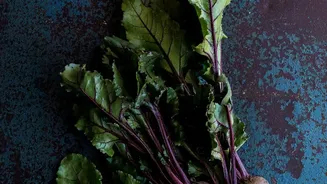
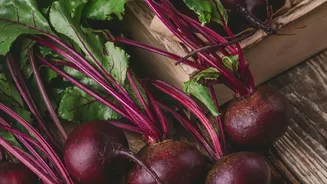
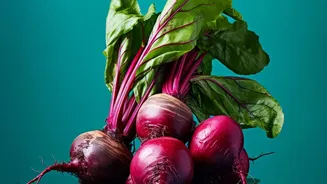
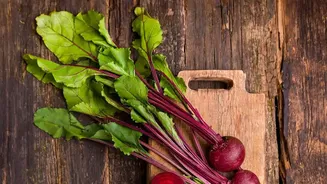
Often overlooked in favour of the earthy root, beet greens are not just edible; they are a nutritional powerhouse hiding in plain sight. In fact, historically, beets were cultivated for their leaves, with the root only becoming popular later. These greens have
a flavour similar to Swiss chard or spinach, with a slight earthiness. They are incredibly versatile and packed with more nutrients than the beetroot itself. By saving them from the compost bin, you unlock a wealth of health benefits without needing to buy expensive or exotic ingredients often labelled as 'superfoods'.
A Fantastic Source of Fibre
One of the standout benefits of beet greens is their high dietary fibre content. A single cup of cooked beet greens can provide around 4 grams of fibre, which is about 15% of the recommended daily intake. This is crucial for maintaining a healthy digestive system, as fibre helps promote regular bowel movements and supports a healthy gut microbiome. A fibre-rich diet also contributes to a feeling of fullness, which can aid in weight management by reducing overall calorie intake. It's a simple, effective way to boost your fibre consumption using a part of the vegetable you might have otherwise discarded.
Packed with Essential Vitamins
Beet greens are exceptionally rich in several key vitamins. They are an incredible source of Vitamin K, a nutrient vital for bone health and proper blood clotting. A 100-gram serving can contain over 300% of the daily recommended value. They are also loaded with Vitamin A, which supports healthy vision, immune function, and skin health. Furthermore, beet greens provide a significant amount of Vitamin C, a powerful antioxidant that helps protect cells from damage, supports the immune system, and aids in collagen production for healthy skin.
A Treasure Trove of Minerals
The micronutrient profile of beet greens extends to an impressive list of minerals. They are an excellent source of potassium, which is important for regulating blood pressure and overall cardiovascular health. They also contain significant amounts of magnesium, essential for muscle function, nerve signalling, and bone strength. In terms of iron content, beet greens often contain more than spinach, making them a great choice for helping to prevent iron deficiency. Copper, manganese, and calcium are also present, contributing to everything from antioxidant defence to skeletal structure.
Easy Ways to Add Them to Your Diet
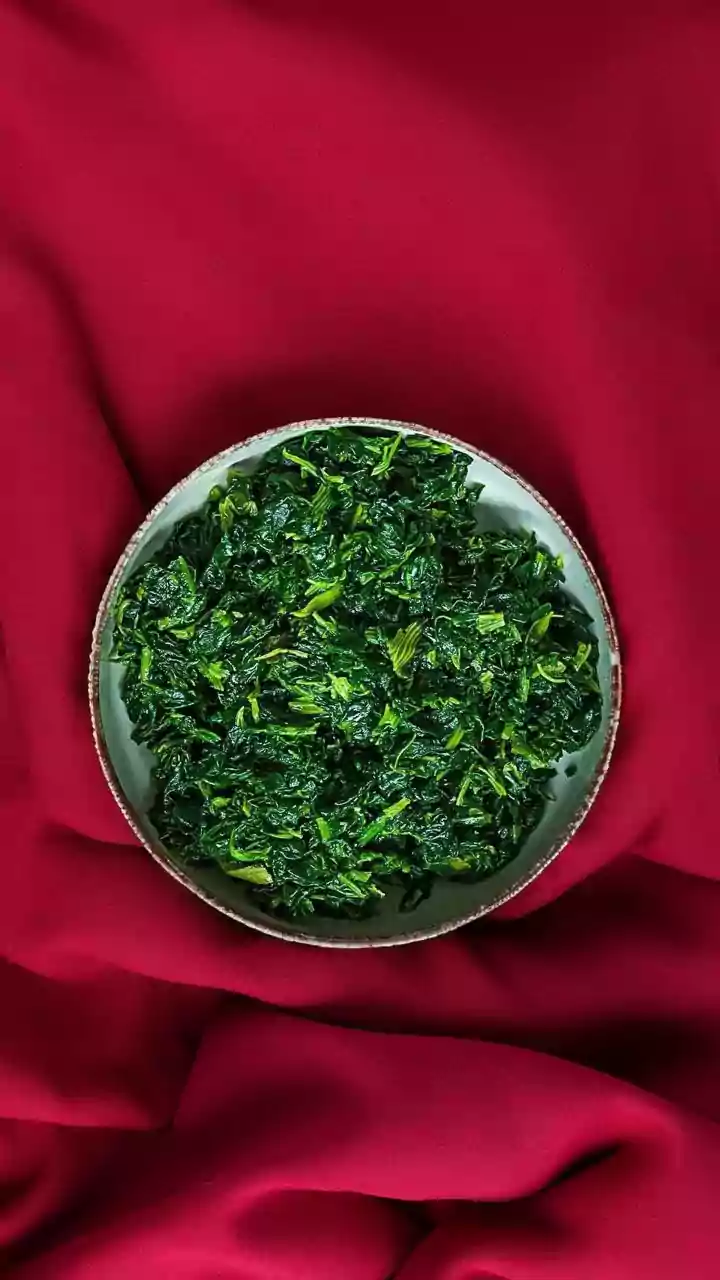
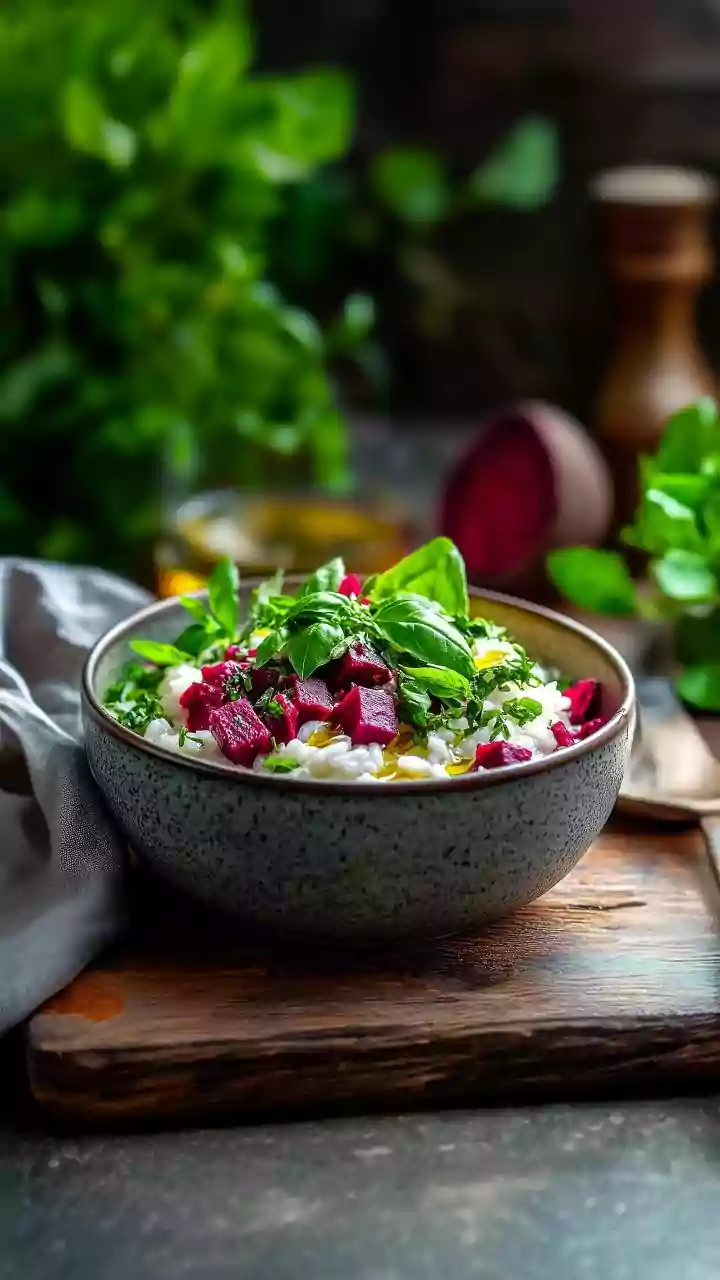
Cooking with beet greens is simple. They can be treated much like spinach or kale. For a quick and easy side dish, sauté them with a bit of olive oil and garlic. First, separate the leaves from the tougher stems. Chop the stems finely and start cooking them a minute before adding the leaves, as they take slightly longer to become tender. The greens wilt down significantly, so a large bunch will cook into a modest portion. You can also chop them raw and add them to salads, blend them into smoothies for a nutrient boost, or stir them into soups, stews, and pasta sauces in the last few minutes of cooking. Don't be afraid to experiment; their mild flavour makes them a versatile addition to many dishes.