





The Unique Power of Amla
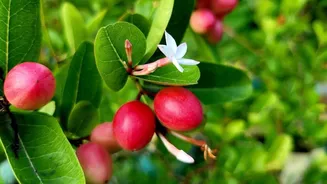
The Indian gooseberry, or amla, has been a cornerstone of Ayurvedic traditions for centuries for good reason. It boasts one of the highest concentrations of Vitamin C found in any fruit, with a single 100-gram serving containing as much as 20 oranges.
This incredible Vitamin C content is vital for a strong immune system. But amla's benefits don't stop there. It is also packed with antioxidants, polyphenols, and essential minerals like iron and calcium. These compounds work together to help fight inflammation, support digestion, and promote skin and hair health. Unlike many other fruits, amla’s nutritional profile is uniquely dense, making it a valuable addition rather than a simple swap.
A Complement, Not a Replacement
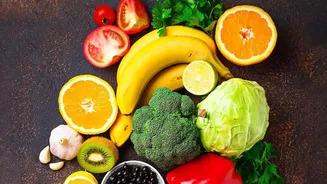
A healthy diet thrives on variety. While apples and bananas are excellent sources of fibre and potassium, amla brings a different set of tools to the table. Its extraordinarily high levels of stable Vitamin C and specific antioxidants are not as abundant in more common fruits. Furthermore, the fibre in amla can help regulate bowel movements and may aid in relieving symptoms of conditions like irritable bowel syndrome. The high Vitamin C content also helps your body better absorb other nutrients, such as iron from plant-based foods, making the rest of your meal even more effective. By adding amla to your plate, you are diversifying your nutrient intake and giving your body an extra layer of support that works in harmony with the other healthy foods you eat.
Simple Ways to Eat Fresh Amla
The tart and sometimes bitter taste of raw amla can be surprising, but it's easy to tame. One of the simplest methods is to slice the fruit, sprinkle it with a little salt, and eat it raw. The salt helps to balance the sourness and bring out a hidden sweetness. For a quick and nutritious boost, you can grate fresh amla into salads, raita, or vegetable stir-fries. Its zesty flavour adds a refreshing kick. Another popular method is juicing. Blend a few pieces of amla with water or coconut water, and you have a potent morning health shot. You can also combine it with other vegetables like beetroot and cucumber for a more balanced juice.
Quick Amla Chutney
Amla chutney is a versatile condiment that pairs well with everything from dosas to steamed rice. To make a simple version, take a few deseedeed amla pieces and blend them with a handful of fresh coriander, mint leaves, a green chilli, and a small piece of ginger. Add a splash of water to get the blender going and a pinch of salt to taste. You can also add a bit of yogurt to the mixture for a creamier texture and to temper the fruit's sourness. This fresh, vibrant chutney is a delicious way to incorporate the benefits of amla into your daily meals without much effort.
From Murabba to Pickles
If you prefer to mellow out amla's intense flavour, traditional preparations are an excellent option. Amla murabba, a sweet preserve, involves boiling the fruit and then preserving it in a sugar syrup until it becomes soft and candy-like. This method makes the fruit much more palatable for those with a sweet tooth. For a savoury option, amla pickle, or amla ka achar, is a classic. The fruit is typically steamed, cut into pieces, and then mixed with mustard oil and a blend of spices like mustard seeds, fenugreek, and turmeric. This not only preserves the fruit but also adds probiotic benefits that further aid digestion.