


What Exactly is Neelakurinji?
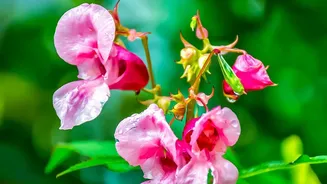
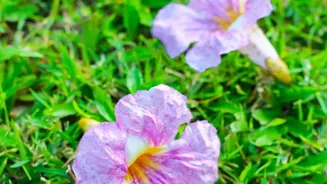
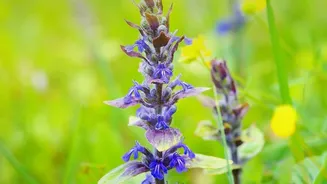
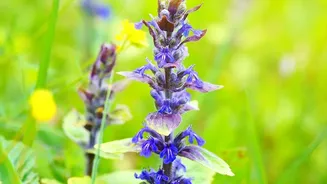
Neelakurinji, or Strobilanthes kunthiana, is a shrub that grows in the high-altitude shola grasslands of the Western Ghats. Its name is a combination of the Tamil words 'Neela' (blue) and 'Kurinji' (flower). This isn't just any plant; it’s a species famous
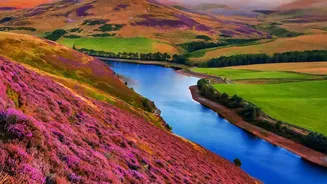
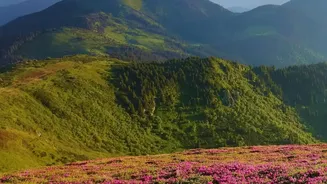
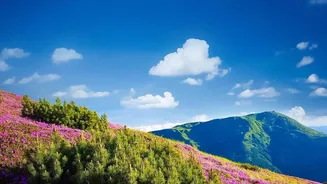
for its highly unusual and synchronised flowering cycle. For over a decade, the plant grows quietly, and then, for a brief period, entire hillsides erupt in vibrant colour. This phenomenon gives the Nilgiris, or 'Blue Mountains', their name. The bloom holds cultural significance too; for the local Paliyan tribe, it has historically been used to calculate their age.
Why Does It Bloom Only Every 12 Years?
The 12-year cycle is a fascinating survival strategy. Neelakurinji is a monocarpic plant, which means it flowers only once in its lifetime, sets a massive number of seeds, and then dies. This process is also called mass flowering or masting. Botanists believe this synchronised bloom is an evolutionary defence mechanism known as 'predator satiation'. For years, the plant offers no seeds, causing populations of seed-eating predators like rodents and insects to crash. Then, all at once, millions of flowers produce an overwhelming abundance of seeds. Predators can't possibly eat them all, ensuring that enough survive to germinate and begin the next 12-year cycle. The parent plants die, their decaying matter providing nutrients for the new generation.
So, Is the Big Bloom Happening in 2026 or 2030?
This is a key point of confusion for many. The answer is: both are correct. Different populations of Neelakurinji in the Western Ghats run on different clocks. The most famous mass bloom, which occurred in Eravikulam National Park in 2018, is expected again in 2030. However, the major bloom happening right now in 2026 belongs to a different population of the same species. This specific group, located in areas like Chokramudi and the Mattupetty-Kannimala region, last flowered in 2014, making 2026 their scheduled year. So, travellers have a special opportunity to witness a major bloom this year, separate from the one anticipated in 2030.
Where Are the Best Spots to See the 2026 Bloom?
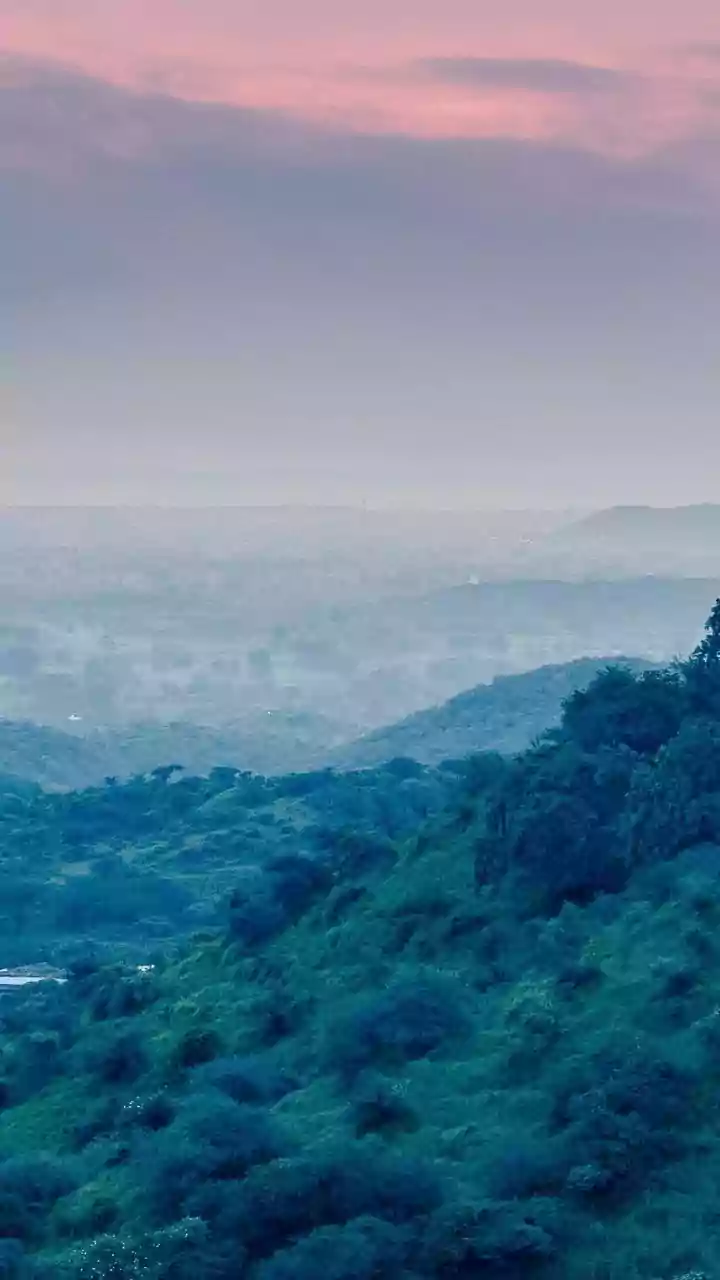
For the 2026 flowering, visitors should focus on specific areas outside of Eravikulam National Park. The main viewing zones are currently the Chokramudi hills and the Korandakkad-Mattupetty region near Munnar. The flowering season officially began in August, and a designated 'Kurinji Garden' at Chokramudi was opened to visitors on August 24, 2026. Forest officials expect the bloom to spread further across higher slopes like Meesapulimala, Edalimedu, Sevenmala, and Gundumala as September and October progress. These locations offer stunning panoramic views of the blue and purple-carpeted hillsides.
When Is the Best Time to Visit?
While the flowers began appearing in late August, the peak viewing season for the 2026 bloom is expected to be from September to October. This period, following the retreat of the southwest monsoon, typically offers clearer skies, pleasant weather, and the most vibrant floral display against lush green landscapes. To capture the best photographs and experience the beauty with softer light, an early morning or sunrise visit is highly recommended. As this is a major natural event, significant crowds are expected, so planning is essential.
What to Know Before You Go
Responsible tourism is crucial to protecting this fragile ecosystem. Visitors are strictly instructed not to pluck, touch, or trample the flowers. Stick to designated trails and respect all barriers. These areas are also no-plastic zones, so be prepared to carry any waste back with you. Given the high demand, it is wise to book accommodation and transport well in advance. The nearest railway station to Munnar is Aluva, about 110-120 km away. From Munnar town, local transport will be needed to reach the viewing points. Authorities are managing access to regulate crowds, and entry fees apply for designated areas like the Kurinji Garden at Chokramudi.