







A Berry Surprising Crop
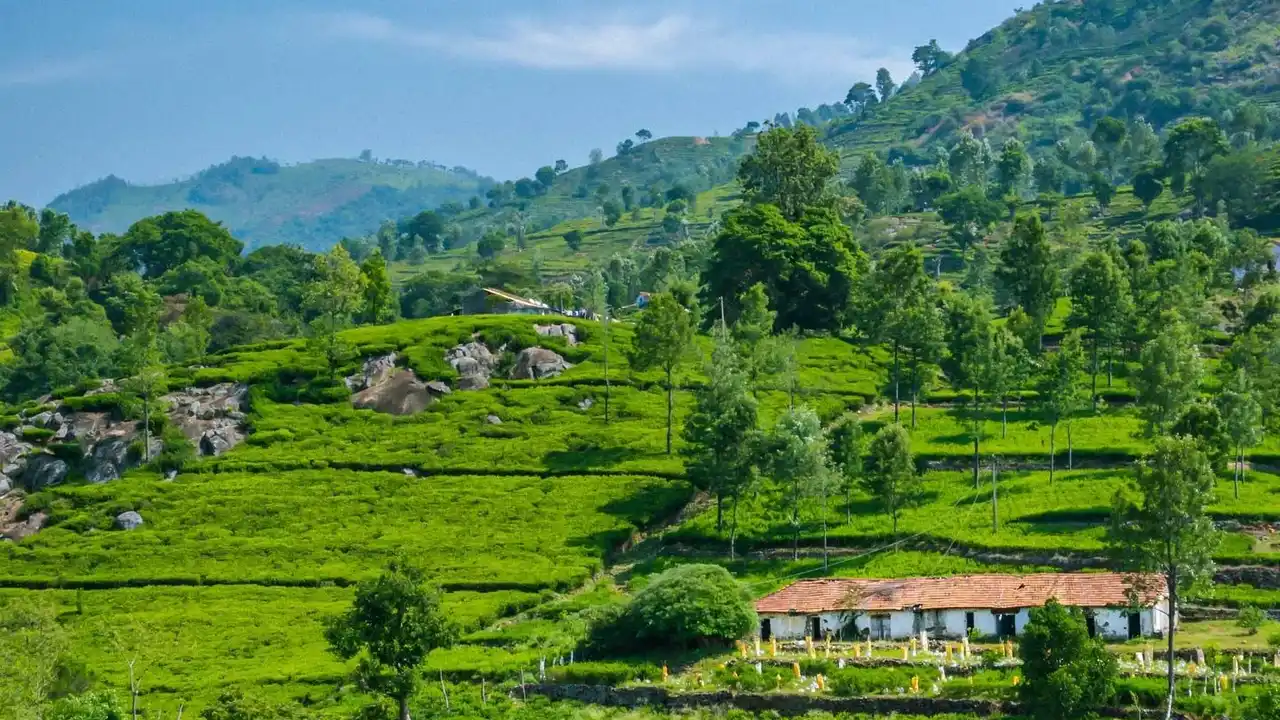
Traditionally, strawberry cultivation in India has been synonymous with Mahabaleshwar, a hill station in Maharashtra that produces around 85% of the country's crop. The region's cool climate and specific soil conditions made it a natural fit. However,
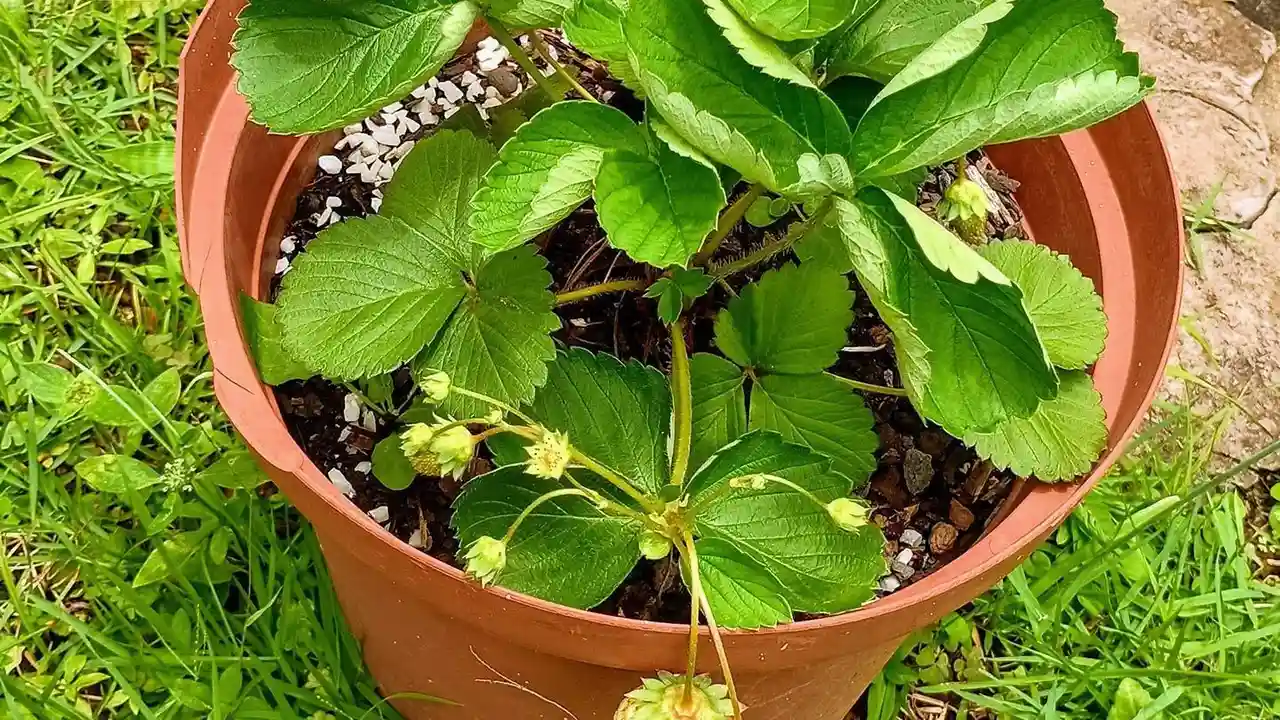
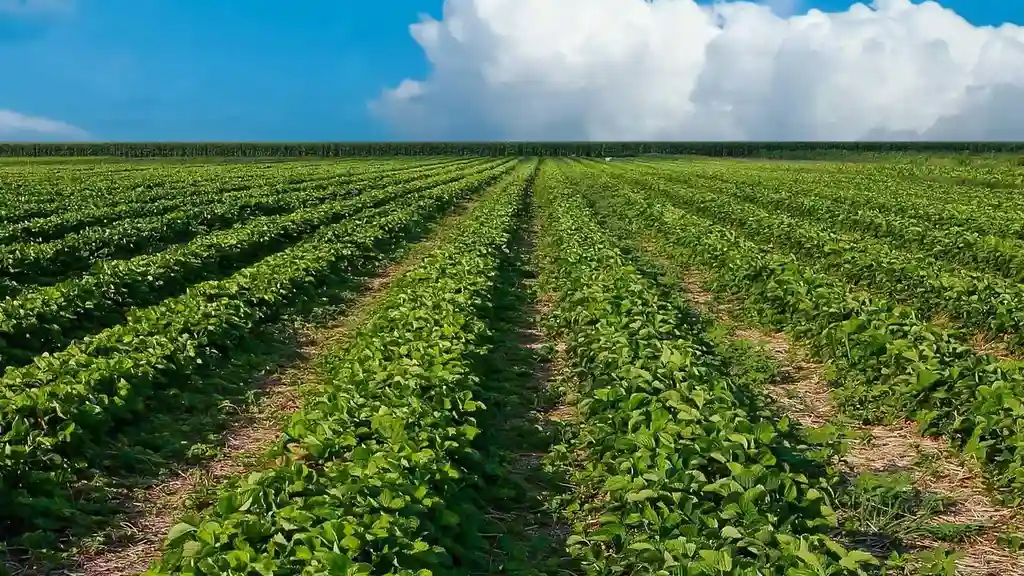
this concentration also makes the national supply vulnerable to localized weather events and economic shifts. Now, new initiatives are challenging this norm, bringing strawberry cultivation to non-traditional areas and communities across the country. In states like Odisha, Meghalaya, and others, tribal farmers and self-help groups are successfully cultivating this high-value crop, often on land previously considered unsuitable for such ventures. These projects are not just about planting a new fruit; they're about creating economic opportunity and agricultural resilience from the ground up.
The Science of a 'Climate-Ready' Strawberry
A key driver of this expansion is horticultural innovation. Strawberries are temperate plants, sensitive to high temperatures which can reduce fruit quality and yield. To overcome this, two major strategies are being employed. First, agricultural bodies and local governments are identifying and promoting robust, heat-tolerant varieties like Winter Dawn, which perform well in the subtropical conditions of the Indian plains. Second, researchers are actively working to develop India's first truly indigenous, climate-resilient strawberry cultivar. At institutions like the Mahatma Phule Krishi Vidyapeeth (MPKV), scientists are using techniques like low-dose gamma irradiation to induce genetic mutations, aiming to create a strawberry that can tolerate Indian heatwaves while matching the size and texture of popular foreign varieties. This long-term project aims to secure India's agricultural self-reliance, reducing dependence on imported saplings.
Empowering Local Communities
The success of these projects lies in their community-centric approach. In districts like Kandhamal and Kalahandi in Odisha, what began as small pilot projects have blossomed into significant livelihood programs. More than 250 tribal Self-Help Groups (SHGs) in Kandhamal are now earning good profits from strawberry farming, with strong support from the district administration for subsidies, training, and market linkages. These initiatives, often implemented under schemes like the Mukhyamantri Janajati Jeevika Mission, provide everything from saplings procured from Maharashtra to training from horticulture experts. This comprehensive support empowers farmers, particularly tribal women, to turn small plots of land into profitable enterprises, earning lakhs in a single season and transforming their economic standing.
From Farm to Festival
The success is becoming a source of regional pride and economic activity. Meghalaya, another state with favourable climatic pockets, has seen strawberry cultivation change the socio-economic conditions for thousands of farmers. The state now produces approximately 1,200 metric tonnes of strawberries annually and celebrates this achievement with the Meghalaya Strawberry Festival. These festivals, held in key growing clusters, provide a direct market for farmers, cutting out intermediaries and boosting their income. Visitors can partake in strawberry picking and farm visits, creating a vibrant agro-tourism ecosystem. This model, which combines cultivation support with branding and market creation, is turning a fragile fruit into a durable source of prosperity.
Challenges and the Path Forward
Despite the success stories, challenges remain. Market linkage is a significant hurdle; while the fruit grows well, getting the perishable harvest to urban consumers quickly can be difficult. Furthermore, the upfront investment can be substantial, with costs for saplings, drip irrigation, and mulching requiring financial support or loans. And climate change remains an ever-present threat. Unseasonal rains or unusual heat can still impact the crop, highlighting the urgent need for the climate-resilient varieties currently in development. The path forward involves strengthening the cold chain infrastructure, fostering more direct market connections, and continuing the scientific research that underpins this agricultural shift. These projects demonstrate a powerful model for how targeted support, scientific innovation, and community effort can create sustainable livelihoods, even as the climate presents new challenges.