






The World’s Energy Jugular
At its narrowest, the Strait of Hormuz is a mere 29 nautical miles wide, but its strategic importance is immeasurable. Around a fifth of the world's daily oil consumption, and a significant portion of its liquefied natural gas (LNG), passes through this
chokepoint connecting the Persian Gulf to the open ocean. The recent crisis, which has seen shipping traffic grind to a halt, has sent shockwaves through the global economy, causing oil prices to spike and raising fears of a major supply disruption. Nations like Japan, China, and India are heavily dependent on this route for their energy security, making its status a matter of urgent global concern. But for Washington and Tehran, the two main actors in this drama, the strait represents far more than just barrels of oil.
For Iran: A Lifeline and a Weapon
For the Islamic Republic of Iran, the Strait of Hormuz is a paradox: it is both an economic lifeline and its most potent weapon. Nearly all of Iran's oil exports must pass through the strait, making it essential for the nation's economic survival. However, this geography also provides Tehran with a powerful tool of asymmetric leverage against its much more powerful adversaries. By threatening to close the strait, or by actually doing so, Iran can hold a significant portion of the global economy hostage, compensating for its conventional military weakness. Therefore, the 'reopening' of Hormuz is not a simple decision. If it comes through de-escalation and sanctions relief, it could be a victory for pragmatists in Tehran. But if it is seen as a capitulation to American pressure, it would represent the loss of a primary strategic asset and a major blow to the regime's hardline credentials.
For the US: Upholding a Global Order
From the American perspective, Iran’s control over Hormuz is an unacceptable challenge to the post-war global order it leads. The core of US strategy in the region for decades has been to guarantee the freedom of navigation and the free flow of commerce, especially energy. An open strait signals stability, predictable energy prices, and the success of the US security umbrella that protects its Gulf allies like Saudi Arabia and the UAE. An Iranian closure is a direct attack on that system. For Washington, reopening the strait is not just about lowering gasoline prices back home; it is a fundamental test of its credibility as a global superpower. Allowing Iran to dictate the terms of passage would be seen as a strategic defeat, potentially emboldening other rivals like China and Russia in other critical waterways.
A Complex Diplomatic Dance
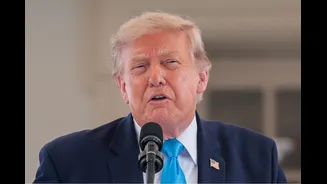
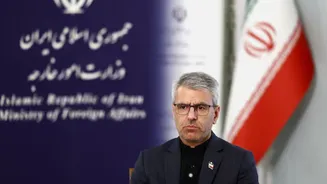
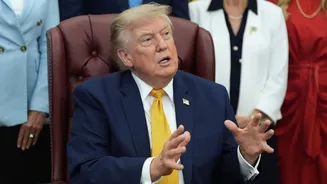
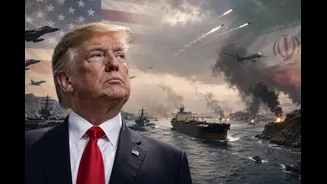
Recent events show a confusing mix of military threats and tentative diplomatic overtures. In recent days, there have been conflicting reports of negotiations, with US President Donald Trump announcing talks while Iranian officials publicly deny them, instead highlighting discussions with Oman. The US has continued to apply pressure through sanctions and a naval blockade, intercepting and redirecting commercial vessels. Meanwhile, Iran has tried to establish new rules, suggesting it would charge fees for maritime services and permit passage only through routes it designates. This back-and-forth illustrates the core divide: the US demands a return to a status quo of unrestricted passage, while Iran seeks to create a new normal where its sovereign control and security concerns are institutionalized.