


Step Into a Living Museum
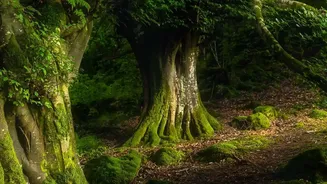
Visiting Bialowieza is less like a walk in the woods and more like stepping onto a prehistoric stage. This is Europe's last large, intact, temperate old-growth forest. Designated a UNESCO World Heritage site, it’s a living museum showcasing what the continent
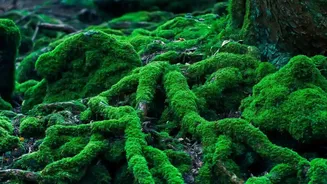
looked like for millennia. Unlike managed woodlands where fallen trees are cleared away, here, giant, centuries-old oaks and pines are left to decay naturally, creating a complex, life-giving ecosystem. This abundance of dead wood fosters an incredible diversity of fungi, mosses, and invertebrates, forming the foundation of a complete food web that is rarely seen elsewhere. The forest’s core, a strictly protected zone, can only be entered with a licensed guide, ensuring its pristine nature is preserved while offering visitors a profound connection to an untamed world.
The Kingdom of the European Bison
The forest’s most iconic resident is the European bison, or żubr, the continent’s heaviest land animal. Having roamed Europe for thousands of years, the species was hunted to complete extinction in the wild by the early 20th century. The last wild individual was shot in 1919, but a handful survived in zoos. Through a dedicated international effort, these animals were bred and then reintroduced, with the first two being released back into Bialowieza Forest in 1952. Today, the forest is home to the world's largest free-roaming population, now numbering over 900 individuals. Seeing these magnificent creatures in their natural habitat is a highlight for many visitors and stands as one of conservation's greatest success stories.
An Oasis of Astounding Biodiversity
While the bison may be the star, Bialowieza's supporting cast is just as impressive. The forest is a sanctuary for a staggering array of life, including 59 mammal species, over 250 species of birds, and more than 12,000 types of invertebrates. Viable populations of large predators like wolves and lynx still hunt in the shadows of the ancient trees, a sign of a truly healthy and complete ecosystem. Birdwatchers can seek out rare species like the three-toed and white-backed woodpeckers, which depend on the old-growth conditions that have vanished from most of Europe. The forest's rich tapestry also includes towering trees some 400 years old, meandering rivers, and boggy wetlands, creating a mosaic of habitats that allows this incredible biodiversity to thrive.
How to Experience the Wilderness
The primary gateway to the forest on the Polish side is the village of Białowieża, accessible from Warsaw via car or a combination of train and bus to the nearby town of Hajnówka. While parts of the forest are open for independent hiking and cycling, the true primeval core is the Strictly Protected Area of Bialowieza National Park, which requires a guided tour. Booking a tour with a certified guide is essential and easily arranged in the village; this not only provides access but enriches the experience with expert knowledge of the forest's history, ecology, and hidden secrets. For a more comprehensive visit, consider exploring the European Bison Show Reserve, which provides guaranteed sightings of bison and other local species like deer, wild boar, and tarpans (a type of wild horse) in semi-natural conditions.
A Precious and Fragile Treasure
Bialowieza is not a relic frozen in time; it faces modern threats. Past controversies over logging and the recent construction of a border wall between Poland and Belarus have raised concerns among conservationists about habitat fragmentation and the disruption of wildlife movement. These challenges underscore the forest's fragility and the importance of its protected status. For visitors, this adds a layer of significance to the experience. Tourism, when done responsibly, demonstrates the immense value of preserving this wilderness. Choosing to visit Bialowieza is not just a holiday; it's a vote for the protection of one of Europe’s, and the world’s, most irreplaceable natural treasures.