







Understanding the New EV Framework
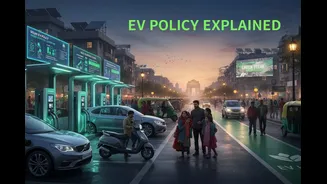
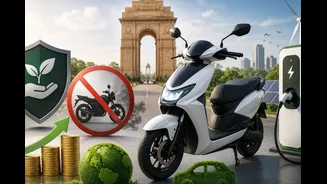
Effective from July 1, 2026, and valid until March 31, 2030, the Delhi EV Policy 2026 is a comprehensive plan to accelerate the adoption of electric vehicles. With a budget of around ₹15,000 crore, its primary goal is to tackle vehicular pollution by
making EVs a more financially viable choice for the average consumer. The policy focuses not just on subsidies but also on phasing out new registrations of petrol and CNG vehicles in key categories over the next few years and significantly expanding the city's charging infrastructure.
The Three Major Financial Incentives
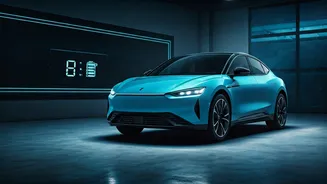
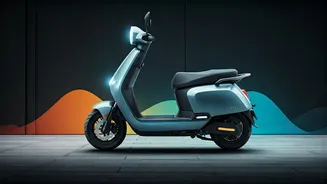
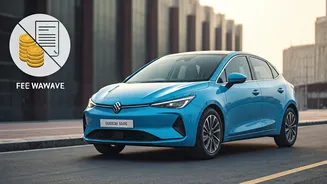
The policy provides a powerful three-pronged approach to reducing the upfront cost of an EV. First, it offers a 100% waiver on road tax and registration fees for all-electric cars with an ex-showroom price up to ₹30 lakh. This alone translates into substantial savings. Second, it includes direct purchase subsidies that are transferred to the buyer's bank account. For electric two-wheelers, this can be up to ₹30,000 in the first year of the policy. Third, a generous scrappage incentive is available. For instance, if you scrap an old petrol or diesel car (BS-IV or older) to buy a new electric car, you could receive a benefit of ₹1,00,000.
How Much Can You Actually Save?
Let’s look at a practical example. Imagine buying an electric car with an ex-showroom price of ₹15 lakh. The road tax and registration fee waiver could easily save you over ₹1.5 lakh. If you also scrap an old car, the additional ₹1 lakh incentive brings your total upfront benefit to ₹2.5 lakh. For two-wheeler buyers, the savings are just as significant. A purchase subsidy of up to ₹30,000, combined with a potential scrappage bonus of ₹10,000 for an old scooter, substantially bridges the price gap with conventional petrol models. These direct benefits are designed to make the initial purchase decision much easier for consumers.
Vehicle Eligibility and Exclusions
The incentives are targeted to encourage the adoption of fully electric vehicles. A key point for car buyers is the ₹30 lakh ex-showroom price cap for eligibility for the road tax and registration fee waiver; vehicles priced above this are not covered. It is also important to note that hybrid vehicles, which use both a petrol engine and an electric motor, are not eligible for these purchase subsidies or tax waivers under the current policy. The incentives apply across various categories, including two-wheelers, three-wheelers, and even certain commercial goods carriers, with specific subsidy amounts for each.
Addressing Range Anxiety: Charging Infrastructure
A common concern for potential EV buyers is the availability of charging stations. The Delhi government is tackling this head-on with a plan to install around 32,000 public charging points across the city during the policy period. This initiative aims to create a dense and reliable network, making it convenient to charge an EV at markets, offices, and other public spaces. Furthermore, the policy supports residential charging by offering a subsidy of up to ₹6,000 for the first 30,000 individuals who install a private charging point at their home or apartment complex, making overnight charging more accessible and affordable.
How to Claim Your Benefits
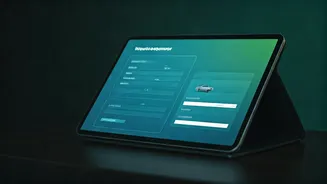
One of the most significant changes from the previous policy is how buyers claim their incentives. The government is launching a dedicated online EV portal for this purpose. Unlike before, where dealerships often handled the process, the responsibility now lies with the vehicle owner. After purchasing an eligible EV, the owner must apply for the subsidy on this portal themselves. There is a strict deadline: the application must be submitted within 30 days of the vehicle’s Registration Certificate (RC) being generated. You will typically need your Aadhaar card, proof of Delhi residency, the vehicle's RC, and bank account details for the direct benefit transfer.