


Food as a Mission-Critical System
When we think about space travel, we picture rockets, spacesuits, and complex computers. We rarely think about the food system with the same level of importance, but space agencies and private companies like Axiom Space do. Food is more than sustenance;
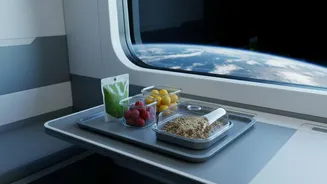
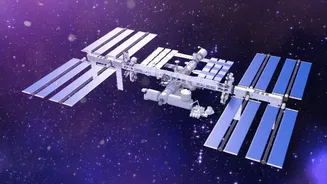
it is a vital system that impacts everything from an astronaut's physical strength to their psychological state. Getting it wrong can have serious consequences. For missions like Axiom-4, which sends an international crew to the International Space Station (ISS), the menu is the result of months of planning, scientific testing, and logistical calculations. It has to be lightweight, compact, highly nutritious, and have a shelf life of years without refrigeration, all while being appealing enough for astronauts to actually eat it.
The Nutritional Mandate in Microgravity
On Earth, a balanced diet keeps us healthy. In space, it keeps astronauts alive and functional. Microgravity wreaks havoc on the human body, causing muscle atrophy and bone density loss. A carefully managed diet is one of the primary countermeasures. Astronauts need between 1,900 and 3,200 calories per day, depending on their size and role. Their food must be rich in calcium and Vitamin D to support bone health, and have a precise balance of proteins, carbohydrates, and fats. Iron levels are also monitored closely. Due to these strict requirements, every item on the menu, from main courses to snacks, is vetted by nutritionists to ensure it meets the demanding physiological needs of life in orbit.
The Psychology of a Shared Meal
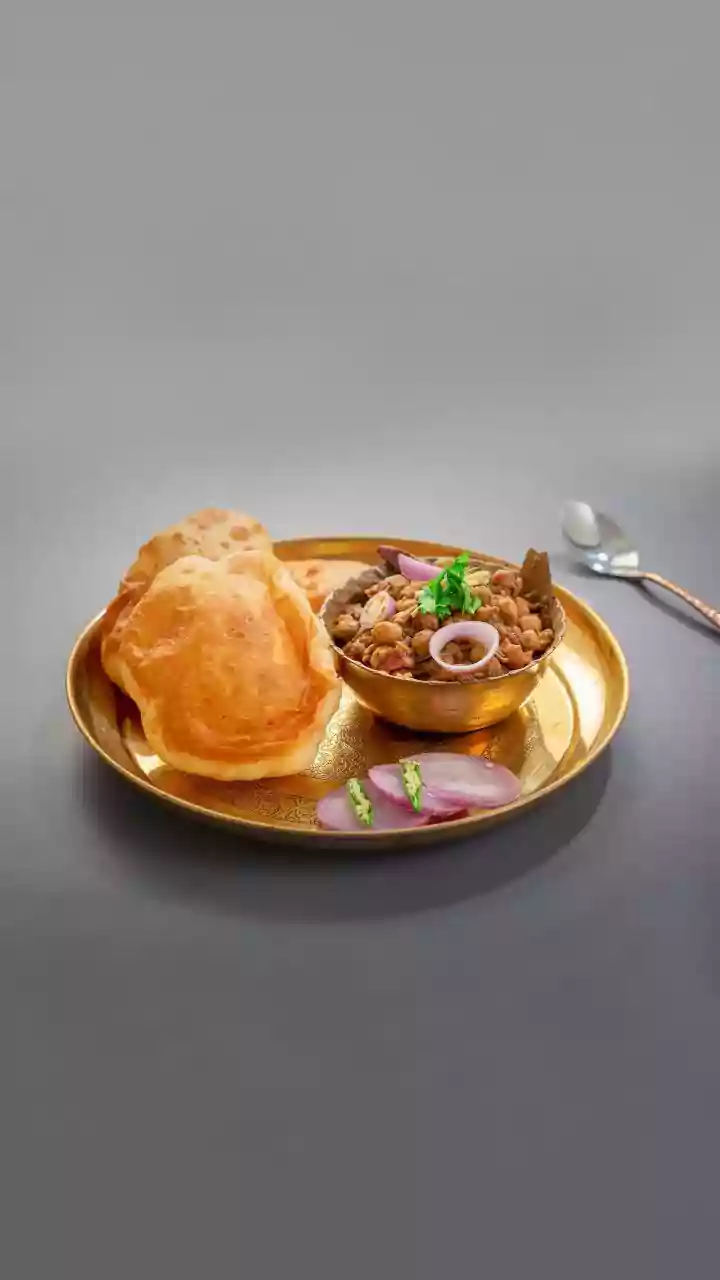
The isolation and confinement of space can be mentally taxing. In this environment, food becomes a powerful tool for boosting morale. Shared meals are one of the few times the entire crew gathers to relax and connect on a personal level, a ritual that designers of the ISS considered critical for crew cohesion. Familiar foods provide a comforting link to home and culture. This is why Axiom's international crews, like the Ax-4 team with members from Poland, Hungary, and India, bring culturally specific dishes. The Ax-4 menu features items like Polish pierogies, Hungarian 'space chocolate', and Indian carrot halwa. These 'bonus foods,' chosen by the astronauts themselves, help combat menu fatigue and provide a much-needed psychological lift far from home.
The Dangers of a Floating Crumb
In a spacecraft, a simple crumb is a potential disaster. Floating particles can be inhaled by astronauts or drift into and short-circuit sensitive electronic equipment. This is why you won't find bread on the ISS; astronauts use tortillas instead because they don't create crumbs. All space food is engineered for safety and containment. Meals are often thermostabilized or freeze-dried and packed in vacuum-sealed pouches. Liquids are consumed from special containers that use surface tension to keep the contents from floating away. Salt and pepper are even provided in a liquid solution. These constraints dictate not just the menu, but the very form of the food itself, turning culinary arts into a branch of safety engineering.
The Sensation of Taste in Space
Ironically, after all the effort to make food tasty, astronauts often report that their sense of taste is diminished in space. In microgravity, bodily fluids shift upwards, causing a feeling of congestion similar to having a head cold. This stuffiness dulls an astronaut's sense of smell, which is responsible for about 80% of what we perceive as flavour. As a result, many astronauts crave spicier, more intensely flavoured foods to compensate. Chefs and food scientists working on space menus, like those collaborating with Axiom Space, must take this into account, often amplifying flavours so they can be appreciated in orbit. The food tasting sessions held on the ground are crucial for finding a balance that will be both nutritious and satisfying 250 miles above Earth.