



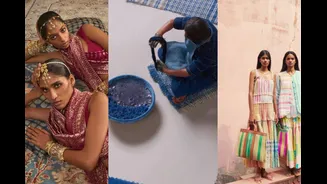


A Landmark Moment on the Runway
New Zealand Fashion Week, a key event in the Asia-Pacific fashion calendar, witnessed a historic first with the “Khadi Beyond Borders” showcase. This collaboration between the Fashion Design Council of India (FDCI) and NZFW brought India's most iconic
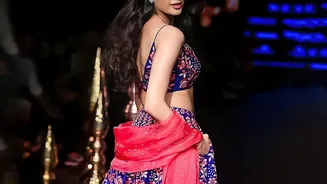
textile to Auckland, presenting it to a new international audience. The show featured a headline presentation by influential designer Rajesh Pratap Singh, known for his modern take on traditional textiles, alongside collections from Samant Chauhan, Shruti Sancheti, and Pawan Sachdeva. The event, scheduled for August 18, 2026, marks a significant step in a partnership designed to create a global platform for designers from both nations. For those in attendance, it was a powerful demonstration that Khadi is not just a relic of the past, but a forward-thinking material with immense potential.
More Than Just a Fabric
To understand the significance of this moment, one must understand Khadi itself. It is not merely cloth; it is a philosophy. Born from the Swadeshi movement and championed by Mahatma Gandhi, Khadi is a hand-spun and hand-woven textile that became a symbol of India's self-reliance and struggle for independence. The process is entirely manual, using a spinning wheel (charkha) and a handloom, making it a feat of slow, deliberate craftsmanship in a world dominated by fast fashion. This production method gives Khadi its unique texture and character—no two pieces are exactly alike. Its creation involves a minimal carbon footprint, requiring no electricity and little water, aligning perfectly with modern demands for sustainable and ethical fashion.
Weaving Tradition with Modernity
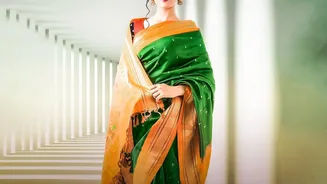
The challenge for any designer working with Khadi is to honour its profound history while making it relevant for a contemporary global consumer. The NZFW showcase proved this is not only possible, but also where the fabric’s strength lies. Designers are moving beyond the traditional, boxy silhouettes once associated with Khadi. Today, the fabric is being reimagined into everything from structured jackets and tailored trousers to flowing dresses, co-ord sets, and even Khadi denim. By focusing on innovative cuts, understated elegance, and versatile styling, designers like Rajesh Pratap Singh are highlighting the fabric's natural drape and texture, letting its inherent beauty speak for itself. This reinvention allows Khadi to be styled with sneakers or sharp tailoring, seamlessly integrating into modern wardrobes without losing the soulfulness of its handmade origins.
The Global Appeal of Imperfection
In an era of mass production, Khadi's appeal lies in its authenticity. The subtle irregularities in the weave are not flaws but signatures of its human-centric creation, offering a textural depth that machine-made fabrics cannot replicate. This 'perfect imperfection' resonates with a growing global consumer base that values provenance, transparency, and storytelling in their purchases. The shift towards conscious consumption and slow fashion has created a fertile ground for heritage textiles. Consumers, particularly younger generations like Gen Z, are increasingly looking for fashion that reflects their values. Khadi, with its sustainable credentials and rich history, offers a powerful narrative that goes far beyond aesthetics.
A Bridge Between Cultures
The “Khadi Beyond Borders” event is more than a trade opportunity; it's an act of cultural diplomacy. By presenting Khadi in a context like NZFW, which this year also highlights Māori and other Indigenous weaving traditions, it fosters a shared language of textile heritage. It shows that traditional craftsmanship is not a static art form but a living, evolving practice. For the rural artisans in India whose livelihoods depend on Khadi production, this global exposure is vital. It elevates their craft, preserves traditional skills, and provides economic empowerment. This showcase helps shift Khadi's narrative from being solely a fabric of Indian history to a universal symbol of sustainable luxury and mindful design.