







An Unprecedented Global Fever
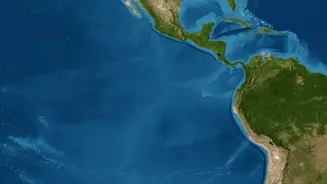
On August 22, 2026, the global average sea surface temperature reached 21.1 degrees Celsius, the hottest in recorded history. Data from Europe's Copernicus Climate Change Service confirmed this new peak, which surpassed the previous record set in 2024.
What makes this particularly alarming is the timing. Oceans typically reach their warmest point in March, after the southern hemisphere's summer. An August record signals an enormous and unusual accumulation of heat. This isn't a fluke; it's the result of decades of absorbing excess heat trapped by greenhouse gases, supercharged by a developing El Niño pattern. The ocean has soaked up over 90% of the extra energy from human activities, acting as the planet's primary buffer against atmospheric warming. Now, that buffer is showing signs of extreme strain.
Fuel for More Ferocious Storms
Think of warm ocean water as fuel for a storm's engine. Higher sea surface temperatures provide more energy and moisture to the atmosphere. This supercharges storms, making them more intense, with higher wind speeds and significantly heavier rainfall. The connection is direct: warmer seas lead to more evaporation, loading the air with water vapor that eventually falls as torrential rain, increasing the risk of devastating floods in coastal and inland areas. For India, which is flanked by the rapidly warming Indian Ocean, this is a critical concern. The increased heat can amplify the intensity of cyclones forming in the Arabian Sea and the Bay of Bengal, posing a greater threat to millions living along the nation's vast coastline.
Disrupting Weather and Monsoon Patterns
The ocean is the engine of the world's climate, driving weather patterns by distributing heat across the globe. When this engine overheats, its behaviour becomes erratic. A warmer Indian Ocean, for example, is increasingly linked to disruptions in the South Asian monsoon, a lifeline for agriculture and water security for over a billion people. Recent research shows that marine heatwaves—short bursts of extreme ocean warmth—can alter atmospheric circulation and influence the timing and distribution of monsoon rains. This can lead to longer dry spells in some regions and intense, concentrated downpours in others, upsetting the delicate balance that farmers rely on. The global system is so interconnected that a hot ocean can contribute to droughts and wildfires in one part of the world while causing floods in another.
A Direct Threat to Food Security
The impacts of a hotter ocean ripple directly into our food supply. Marine ecosystems are finely tuned to specific temperatures. When the water warms, fish populations are forced to migrate towards the poles in search of cooler habitats. This shift can devastate local fishing industries that depend on specific species being in predictable locations. For India's millions of coastal inhabitants who rely on fishing for their livelihoods, this is an immediate economic and food security crisis. Furthermore, vital ecosystems like coral reefs, which act as nurseries for countless fish species, are bleaching and dying due to the heat stress. The disruption isn't just at sea; altered rainfall patterns on land threaten agricultural yields, creating a two-front battle for food security.
Rising Seas and Shrinking Coastlines
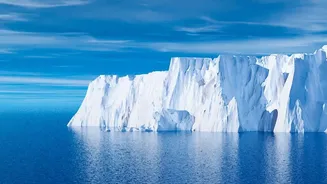
One of the most direct and certain consequences of a warming ocean is sea-level rise. This happens in two primary ways. First, as water warms, it expands—a process known as thermal expansion. For the past century, this has been a major driver of rising sea levels. The sheer volume of extra heat being stored in the ocean means water is taking up more space. Second, the warmer ocean water accelerates the melting of glaciers and ice sheets from below, adding vast quantities of fresh water into the sea. This dual assault means that low-lying coastal cities and communities, including major Indian metropolises like Mumbai and Kolkata, face an existential threat from permanent inundation and more frequent coastal flooding.