



Reine, Norway: A Dramatic Fishing Village
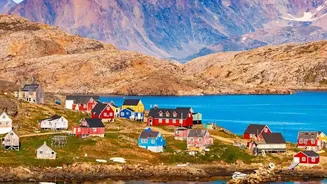
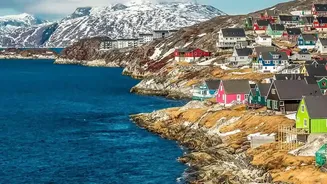
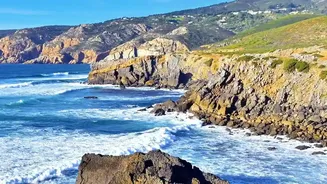
Tucked away in the Lofoten archipelago, far above the Arctic Circle, Reine is a place of almost impossible beauty. This tiny fishing village is made up of a string of islands connected by bridges, with classic red fishermen's cabins (rorbuer) set against
a backdrop of jagged, granite peaks that plunge directly into the sea. Visitors often stay in these converted cabins, waking up to stunning views of the Reinefjord. The village serves as a perfect base for some of Lofoten's most famous hikes, like the trek up Reinebringen, which offers a panoramic vista that is truly unforgettable. Kayaking among the islands is another popular way to absorb the sheer scale and tranquility of the landscape.
Visby, Sweden: The City of Roses and Ruins
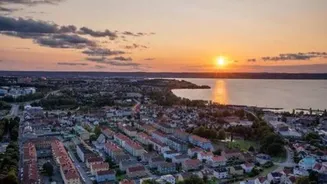
Step back in time on the island of Gotland, where the Hanseatic town of Visby stands as one of Scandinavia's best-preserved medieval cities. A UNESCO World Heritage site, Visby is encircled by a remarkable 3.4 km stone wall with ancient towers, guarding a labyrinth of cobblestone streets and historic church ruins. Nicknamed 'the city of roses and ruins', its charming streets are filled with climbing roses in the summer, contrasting beautifully with the crumbling Gothic church arches. The town's history as a powerful trading hub is evident everywhere, from the grand merchants' houses to the sheer number of churches that once served its international population. Today, Visby is a living town, blending its rich history with a vibrant atmosphere of cafes, shops, and restaurants.
Ærøskøbing, Denmark: A Fairy-Tale Island Town
Often called Denmark's 'fairy-tale town', Ærøskøbing on the island of Ærø is a marvel of preservation. This more than 750-year-old market town features winding cobbled lanes and immaculately kept 18th-century houses with colourful facades and hollyhocks blooming in the summer. The entire town is protected, meaning it looks much as it did centuries ago, creating a peaceful, time-capsule atmosphere. Strolling through its quiet streets, you can feel the island's slow rhythm of life. A short walk from the town centre leads to Vesterstrand beach, famous for its row of brightly painted, privately owned beach huts that add to the island’s unique charm and provide a perfect spot for enjoying the quiet coast.
Porvoo, Finland: A Riverside Story
Just 50 kilometres east of Helsinki lies Porvoo, Finland's second-oldest city. Its most iconic feature is the collection of striking red-ochre shore houses lining the Porvoonjoki River. These buildings were originally painted red in the late 18th century to honour the arrival of King Gustav III of Sweden and have since become a national landmark. The Old Town, with its maze of cobbled streets and colourful wooden houses, feels like it’s been lifted from the pages of a storybook. The medieval Porvoo Cathedral sits atop a hill, overlooking the town and serving as a key historical site. Porvoo has also cultivated a reputation as a culinary destination, with charming cafes and award-winning restaurants tucked away in its historic buildings.
Seyðisfjörður, Iceland: An Artistic Fjord Haven
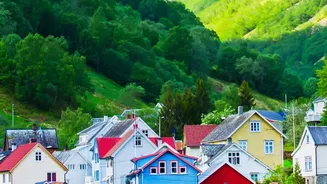
Reaching Seyðisfjörður in East Iceland is an adventure in itself, involving a scenic drive over a mountain pass that descends into a deep, dramatic fjord. Nestled at the fjord's end is a town bursting with creativity and colour. Known for its vibrant arts scene and well-preserved wooden buildings, Seyðisfjörður has a unique, bohemian character. Its most famous landmark is the pale blue church, with a rainbow-painted path leading to its doors, creating a cheerful and iconic photo opportunity. The town is a hub for artists and is home to the Skaftfell Center for Visual Art. Beyond the town's creative energy, visitors can hike to nearby waterfalls like Gufufoss or explore sound sculptures, blending art with the powerful Icelandic nature.