




The Allure of Instant Gratification
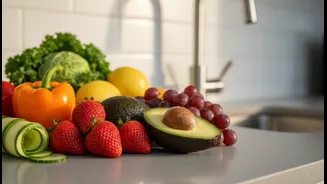
In our fast-paced lives, convenience is king. Pre-cut fruits and vegetables, neatly packed and ready to eat, are a welcome shortcut. They eliminate the hassle of washing, peeling, and chopping, making it easier to include healthy options in our diet.
Whether it’s a colourful fruit platter from a street vendor, a bag of chopped salad greens from the supermarket, or diced vegetables for a quick stir-fry, the appeal is undeniable. This demand for ready-to-eat produce has grown significantly, offering a seemingly perfect solution for busy professionals, students, and families. However, this convenience comes with a trade-off, especially when the skies open up and the air becomes thick with moisture.
How the Monsoon Creates a Perfect Storm
The monsoon season in India is characterised by high humidity and ambient warmth, creating the perfect breeding ground for microbes. When the natural protective skin of a fruit or vegetable is broken by cutting, its nutrient-rich and moist interior is exposed. This exposure, combined with monsoon humidity that can reach over 90% in many cities, drastically accelerates bacterial and fungal growth. Pathogens like E. coli, Salmonella, and Listeria, which can cause serious gastrointestinal illnesses, thrive in these conditions. Unlike whole produce, which has a natural defence layer, cut surfaces are vulnerable from the moment the knife touches them. This makes that conveniently sliced pineapple or cucumber a potential petri dish for harmful microorganisms.
The Risky Journey of a Cut Slice
Contamination doesn't just happen once the package is open; the risk begins much earlier. The journey of pre-cut produce is fraught with potential hygiene pitfalls. The knives, cutting boards, and hands involved in the preparation can all introduce bacteria. Furthermore, the water used to wash the produce before or after cutting might itself be contaminated, a significant concern during monsoons when water sources are often compromised. Once cut, the produce is often exposed to the open air for extended periods, especially at street-side stalls, inviting dust and flies that act as vectors for germs. Even when packaged, if not stored at a consistent, cool temperature, moisture can build up inside the container, further encouraging microbial growth.
Your Guide to Safer Monsoon Produce
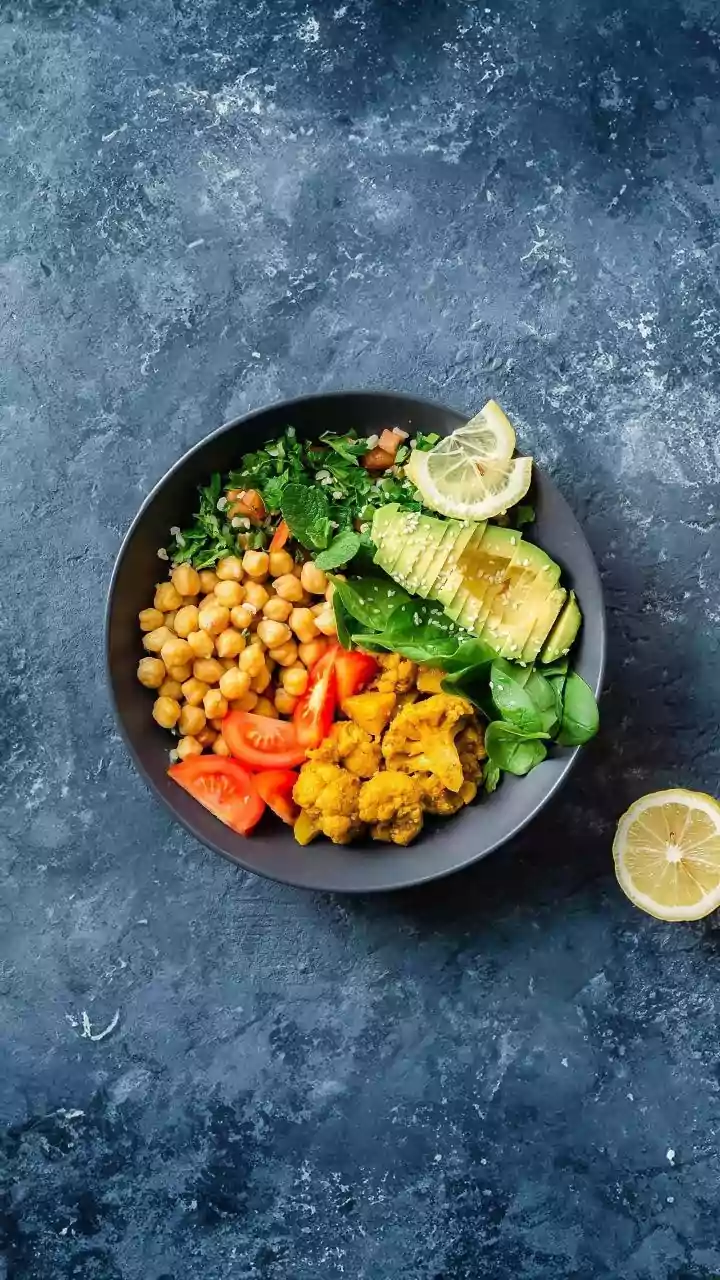
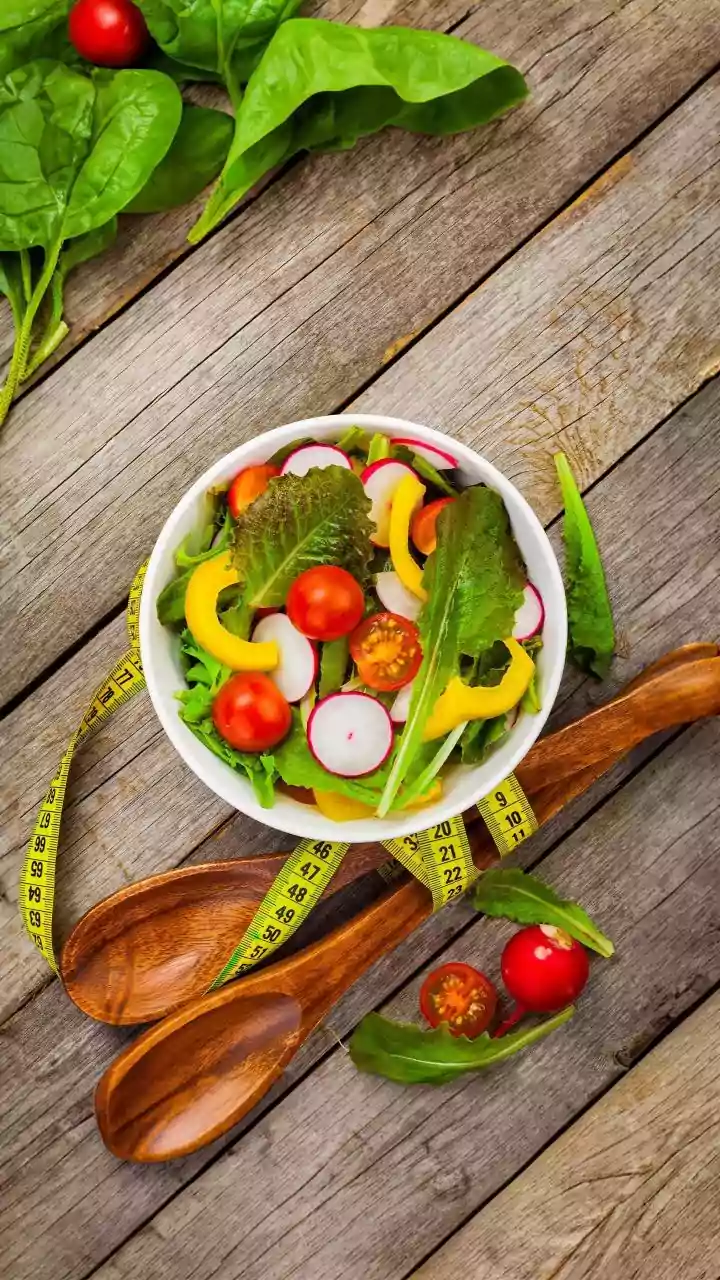
The safest approach during the monsoon is to take matters into your own hands. Opt for whole fruits and vegetables. Produce with thick, intact skins like bananas, pomegranates, and oranges are excellent choices as their peels offer natural protection. Gourds such as lauki (bottle gourd) and karela (bitter gourd) are also recommended as they have a lower moisture content and spoil less quickly. Before consumption, wash all produce thoroughly under clean, running water. For leafy greens like spinach or cabbage, which can trap mud and germs, a soak in salt water or a vinegar solution is advised. Most importantly, cut your fruits and vegetables right before you plan to eat or cook them to minimise the window for contamination. This simple habit significantly reduces your risk of foodborne illnesses.
Making Smarter Choices When Buying Pre-Cut
If you absolutely must buy pre-cut produce, it's crucial to be discerning. Avoid open platters from street vendors, where hygiene is difficult to verify and exposure to the elements is high. Instead, choose products from reputable stores that are sold in sealed, airtight packages. Check that the produce is stored in a clean, refrigerated unit. Inspect the package for any signs of excess moisture, sliminess, or discolouration, which indicate spoilage. Always check the packaging date and consume it as soon as possible. Remember that while these steps can reduce the risk, they don't eliminate it entirely. The safest bet remains buying whole and preparing it fresh at home.