





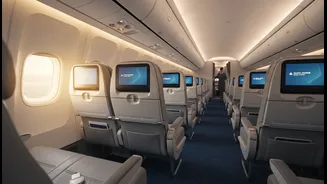


A Fleet for the Future
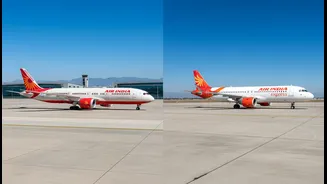
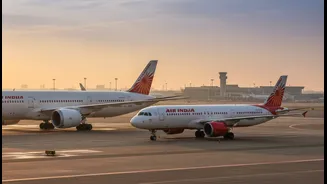
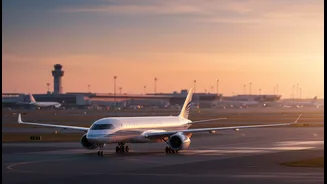
At the heart of Air India's transformation is a monumental fleet expansion. The airline has placed landmark orders for hundreds of new aircraft from both Airbus and Boeing. This includes a mix of narrow-body planes like the Airbus A320neo family for domestic
and short-haul international routes, and wide-body jets like the Airbus A350 and Boeing 787 and 777s for long-haul dominance. Deliveries are picking up pace, with the Air India Group expecting to receive 50 to 60 new aircraft annually for the next several years. This rapid induction of modern, fuel-efficient planes is critical for replacing its aging fleet, improving on-time performance, and offering a significantly upgraded passenger experience with features like Premium Economy on more routes.
Restoring the Global Network
While new planes grab headlines, a core part of the strategy is methodically rebuilding the airline's diminished route map. For years, Air India ceded ground to international competitors, especially on lucrative routes to Europe, North America, and the Middle East. The airline is now actively restoring services that were curtailed. After a difficult summer period in 2026 that saw temporary network reductions due to operational challenges, Air India is planning to restore most of its suspended capacity starting in September. This includes bringing Middle East services nearly back to full strength and progressively adding back frequencies to European and North American destinations. According to Chief Commercial Officer Nipun Aggarwal, this restoration is a key priority, signaling a return to normal operations after a period of instability.
The Strategic 'Why' Behind the Balance
This dual approach is not just about getting bigger; it's about strategic repositioning. The massive aircraft orders provide the capacity needed to compete with domestic low-cost giant IndiGo and major international carriers. By 2026, the airline will begin inducting a new wide-body aircraft every six weeks, enabling a significant push into the long-haul market. Simultaneously, restoring old routes taps into established demand and brand recognition, rebuilding trust with passengers who previously flew with the Maharajah. This helps recapture market share that had eroded over decades. The transformation plan, named Vihaan.AI, is designed to turn Air India into a world-class global airline with a strong Indian identity, increasing its international-to-international connection capability and market share.
Consolidation Creates a Powerhouse
The expansion and restoration strategy is further strengthened by significant consolidation within the Tata Group's aviation portfolio. The full merger of Vistara with Air India was completed in late 2024, creating a single, scaled-up full-service carrier. This integration, along with the earlier merger of AirAsia India into Air India Express, has created a formidable two-airline group: a full-service carrier and a low-cost carrier. The combined entity now operates a fleet of around 300 aircraft. This allows for clearer network planning, reduced operational overlap, and a more compelling product offering for different market segments, positioning the Air India group as the primary challenger to IndiGo's domestic dominance.
Challenges on the Horizon
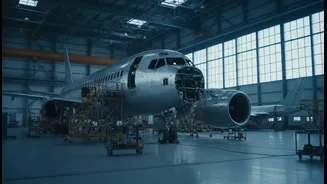
Despite the ambitious plans, the path forward is not without turbulence. The airline industry globally faces significant headwinds, including supply chain issues that have delayed aircraft deliveries from both Airbus and Boeing. Outgoing CEO Campbell Wilson noted that these delays have impacted growth plans. Furthermore, geopolitical tensions have led to airspace restrictions and volatile fuel prices, temporarily affecting the commercial viability of some routes. The airline is also undertaking a massive, multi-million dollar program to retrofit its older wide-body aircraft with new cabins, a complex process that has faced its own delays but is crucial for standardizing the passenger experience. Managing these external pressures while executing a complex internal transformation remains a key challenge.