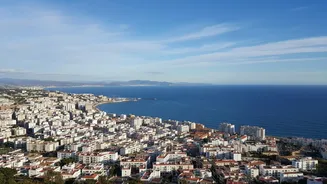








A European Outpost in Africa
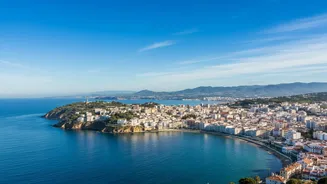
Ceuta is an 18.5-square-kilometre autonomous city of Spain, situated on a peninsula across the Strait of Gibraltar from the Spanish mainland. Along with its sister city, Melilla, it represents one of the only land borders the EU shares with Africa. Though
Morocco claims sovereignty over the territory, Ceuta has been under Spanish control since the 17th century, a status its population chose after previously being part of the Portuguese Empire. Today, it is a cosmopolitan city of around 84,000 people, with a unique blend of Spanish and North African cultures. As a part of Spain, it is also part of the European Union, making its border a flashpoint for trade, culture, and migration.
The Border as a Fortress
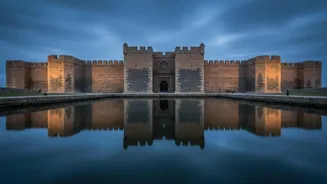
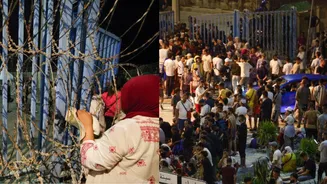
The border separating Ceuta from Morocco is one of the most heavily fortified in the world. It consists of a formidable double fence system, reaching heights of up to 10 metres, topped with barbed wire and equipped with advanced surveillance technology, including movement sensors and cameras. Spain began fortifying the border in the 1990s and has progressively strengthened it to control irregular migration. Despite these measures, thousands of people attempt to cross into this small piece of European territory each year, often by undertaking dangerous swims around the coastal ends of the fence or attempting mass crossings of the barrier itself.
A Magnet for Migration
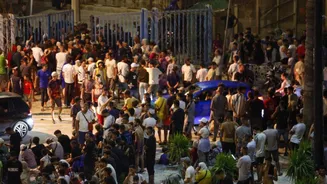
For many migrants from across Africa, Ceuta represents the most direct route to a new life in Europe. The prospect of reaching EU soil drives thousands to risk their lives. The border has witnessed numerous humanitarian crises, most recently in late July 2026, when tens of thousands of people crossed from Morocco into Ceuta within a matter of days. Events like these overwhelm the city's resources and result in tragic loss of life. While many who cross are quickly returned to Morocco under bilateral agreements, the incidents highlight the intense desperation fueling migration and the immense pressure on this frontier. Unaccompanied minors often find themselves stranded, facing an uncertain future in the city's overflowing reception centres.
A Geopolitical Pressure Point
The border is not just a line on a map; it is a sensitive instrument of geopolitics. Morocco has been accused of using migration as leverage in its diplomatic relations with Spain and the wider EU. By relaxing its border controls, Rabat can exert pressure on Madrid to gain concessions on other issues, such as the disputed territory of Western Sahara. This turns the flow of people into a bargaining chip, creating instability and sparking political crises within the EU. European leaders have expressed solidarity with Spain, affirming that Ceuta's border is a shared European responsibility, but these events often expose deep divisions over the bloc's overall migration and asylum policies.
Life on a Unique Frontier
For the residents of Ceuta, life is shaped by this unique geographical and political reality. The city's economy has historically been intertwined with that of its Moroccan neighbours, with many people crossing the border daily for work and commerce when relations are stable. Culturally, the city is a melting pot where Christian and Muslim communities coexist. However, the constant tension surrounding migration places a strain on local resources and community relations. Supermarket shelves can empty quickly during a crisis, and the city's infrastructure is often pushed to its limits. Living on Europe's front line with Africa means navigating a complex reality of interdependence and division, opportunity and crisis.