



A Digital Brain for Lunar Science
The new tool is called the NASA-IBM Lunar Foundation Model. Think of it as a specialized AI brain, pre-trained on a massive trove of lunar data. For decades, NASA missions, particularly the Lunar Reconnaissance Orbiter (LRO), have been gathering petabytes
of information, creating a dataset larger than all other NASA planetary missions combined. Manually sifting through this mountain of high-resolution images and sensor readings is an incredibly time-consuming task for scientists. This new AI model automates that process, learning to identify geological features and patterns across vast and varied datasets from multiple missions, including those from NASA and Japan's space agency, JAXA.
From Data Overload to Instant Insight
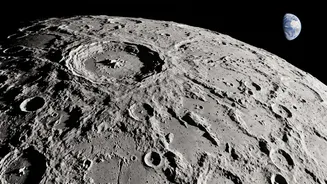
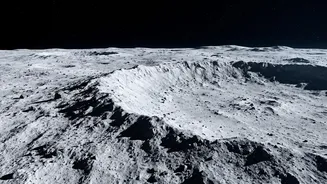
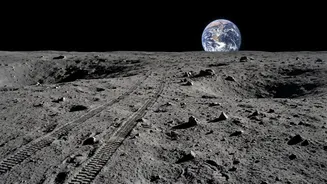
The primary job of the lunar model is to turn raw data into actionable knowledge, fast. Instead of researchers spending months manually mapping craters, the AI can do it with remarkable efficiency and accuracy. This is crucial for planning safe landing sites for future Artemis missions, helping astronauts avoid hazards like steep slopes or large boulders. Beyond just mapping, the AI is being tasked with some of the most critical questions in lunar science. It can help pinpoint permanently shadowed regions near the poles that might contain water ice—a vital resource for a future moon base, providing drinking water, oxygen, and even rocket fuel. The model has already shown it can reduce errors in identifying these potential ice deposits significantly compared to previous methods.
Accelerating Discovery with Open-Source Power
One of the most significant aspects of this launch is that the model is open-source. NASA and IBM have made it publicly available on Hugging Face, a popular platform for the AI community. This collaborative approach means that scientists, researchers, and engineers from anywhere in the world can access, use, and even build upon the model. This democratizes lunar science, allowing a global community to contribute to discovery. The move is part of a broader strategy by NASA and IBM to use open science to accelerate progress, following similar successful releases of AI models for Earth observation and solar physics.
A Partnership for a New Era
The collaboration between a public agency like NASA and a tech giant like IBM highlights a growing trend in the space industry. NASA brings decades of unparalleled scientific data and space exploration expertise, while IBM provides its cutting-edge AI framework and research prowess. This synergy allows for the rapid development of sophisticated tools that might be slower to create within a single organization. It's a partnership that has deep roots, stretching back to the Apollo missions. Today, instead of just helping humans get to the Moon, the collaboration is focused on creating the intelligence needed for humanity to live and work there sustainably.
Paving the Way for Artemis and Beyond
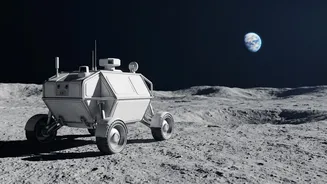
This AI is not just an academic exercise; it's a practical tool to support NASA's Artemis program, which aims to establish a long-term human presence on the Moon. The model's ability to analyze volcanic history by identifying features like irregular mare patches helps scientists understand the Moon's evolution. Its skill in mapping craters reveals clues about the history of our solar system. By providing a more detailed and dynamic map of the lunar surface, the AI will help future astronauts navigate treacherous terrain, prospect for resources, and select ideal locations for a permanent lunar base. It marks a critical step in using AI not just to observe other worlds, but to actively plan our future on them.