
Embrace Earthy and Warm Tones
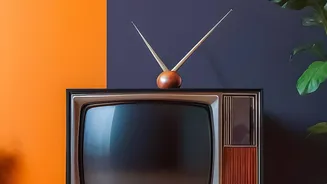
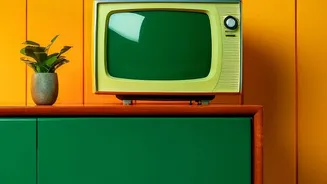
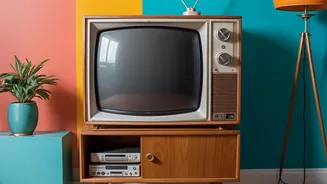
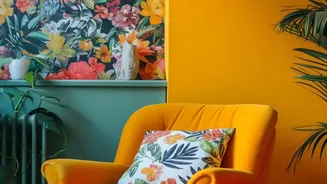
One of the most accessible ways to introduce a vintage feel is through an earthy colour palette. Think of the warm, grounded colours that defined much of the mid-century and 70s design eras. Shades like mustard yellow, burnt orange, terracotta, and avocado
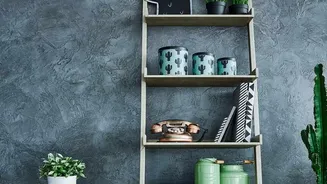
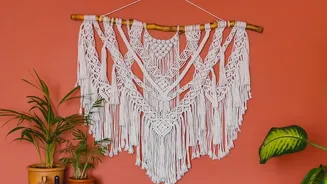
green can instantly make a room feel cosier and more inviting. These colours draw heavily from nature, which is why they pair so well with natural materials. You don't need to paint an entire room in a bold shade; consider a feature wall in a rich ochre or a deep terracotta to create a focal point. These hues are perfect for living rooms and dining areas, spaces where you want to cultivate a warm, social atmosphere. They speak of a mellow, laid-back energy that encourages relaxation.
Go Bold with Jewel Tones
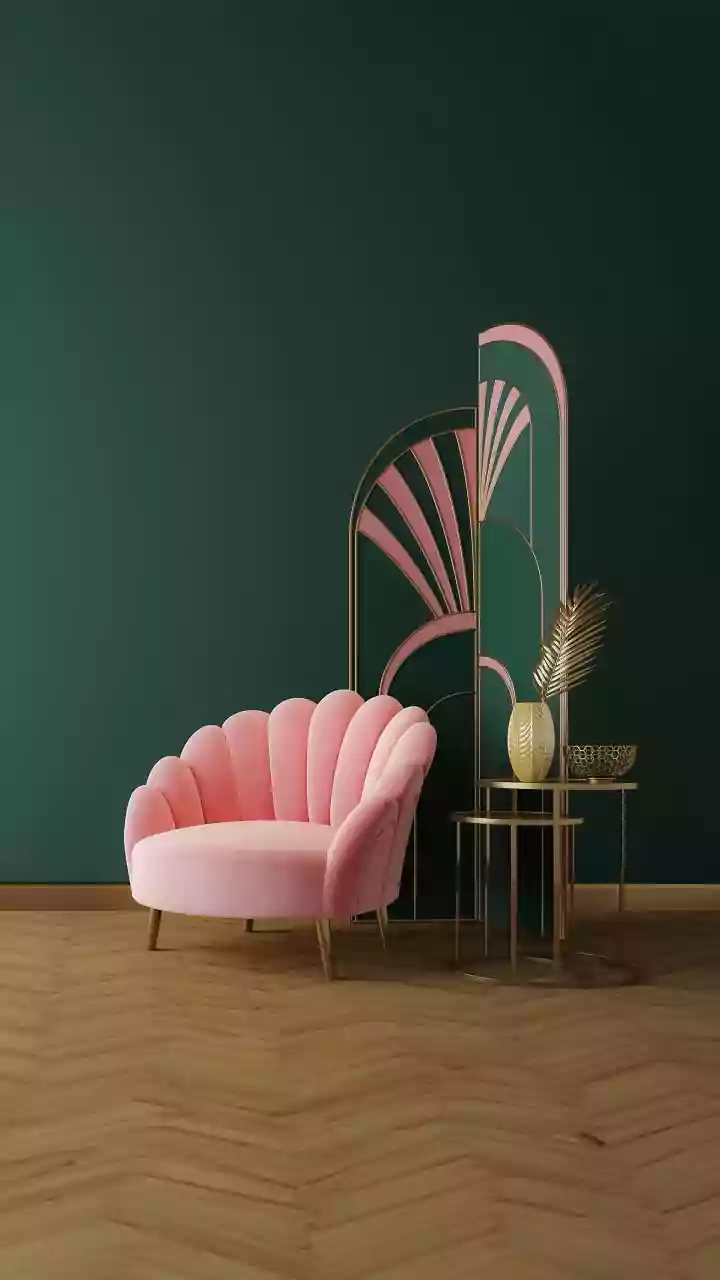
For a more glamorous and dramatic vintage look, turn to the deep, saturated jewel tones often associated with the Art Deco period and luxurious textiles. Colours like emerald green, sapphire blue, ruby red, and deep purples can add a layer of sophistication and opulence to any space. These shades work wonderfully as accent colours. Imagine a velvet sofa in a rich emerald green or a statement armchair in a deep sapphire. In Indian homes, these jewel tones have long been a part of traditional textiles like Banarasi and Kanjeevaram silks, making them feel both classic and culturally resonant. To avoid overwhelming the room, pair these bold colours with neutral backgrounds and metallic accents like brass or gold, which enhance their luxurious feel.
Experiment with Muted Pastels
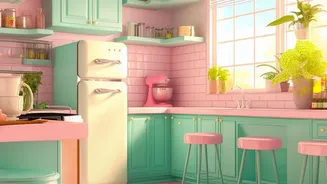
Vintage isn't always about bold and earthy. Softer, more muted pastels can create a subtle, nostalgic feeling that is both chic and calming. Think of dusty rose, sage or mint green, and powder blue. These shades were popular in the 1950s and are making a strong comeback in modern design for their ability to add a hint of colour without being overwhelming. A kitchen with mint green cabinets or a bedroom painted in a soft, dusty rose can feel fresh and serene. This palette works especially well in rooms with plenty of natural light. Pairing these soft colours with warm wood tones or crisp white trims keeps the look modern and prevents it from feeling overly sweet.
Start Small with Accent Pieces
If you're hesitant to commit to painting walls, you can still incorporate vintage colours through accent pieces. This is a low-risk, high-reward strategy for experimenting with a new palette. Look for decor items like cushions, throw blankets, vases, or artwork in your chosen vintage shades. A few mustard yellow cushions on a neutral grey sofa can completely change the feel of a living room. Similarly, a bold, retro-patterned rug can serve as the colourful anchor for an entire room. This approach allows you to play with colour combinations, such as the classic pairing of orange and brown, or teal and white, without making a permanent change.
Use Wallpaper for a Statement
Wallpaper was a hallmark of many vintage eras, known for its bold patterns and rich colour stories. Today, it offers a fantastic way to make a dramatic statement. From geometric patterns typical of the mid-century modern era to the lush florals of earlier decades, a feature wall with vintage-inspired wallpaper can become the centrepiece of your room. This is an effective way to introduce multiple vintage colours at once in a cohesive design. For a more subtle take, consider using wallpaper with a small-scale pattern in a powder room or entryway for a delightful and unexpected pop of colour and personality.
Balance with Natural Materials
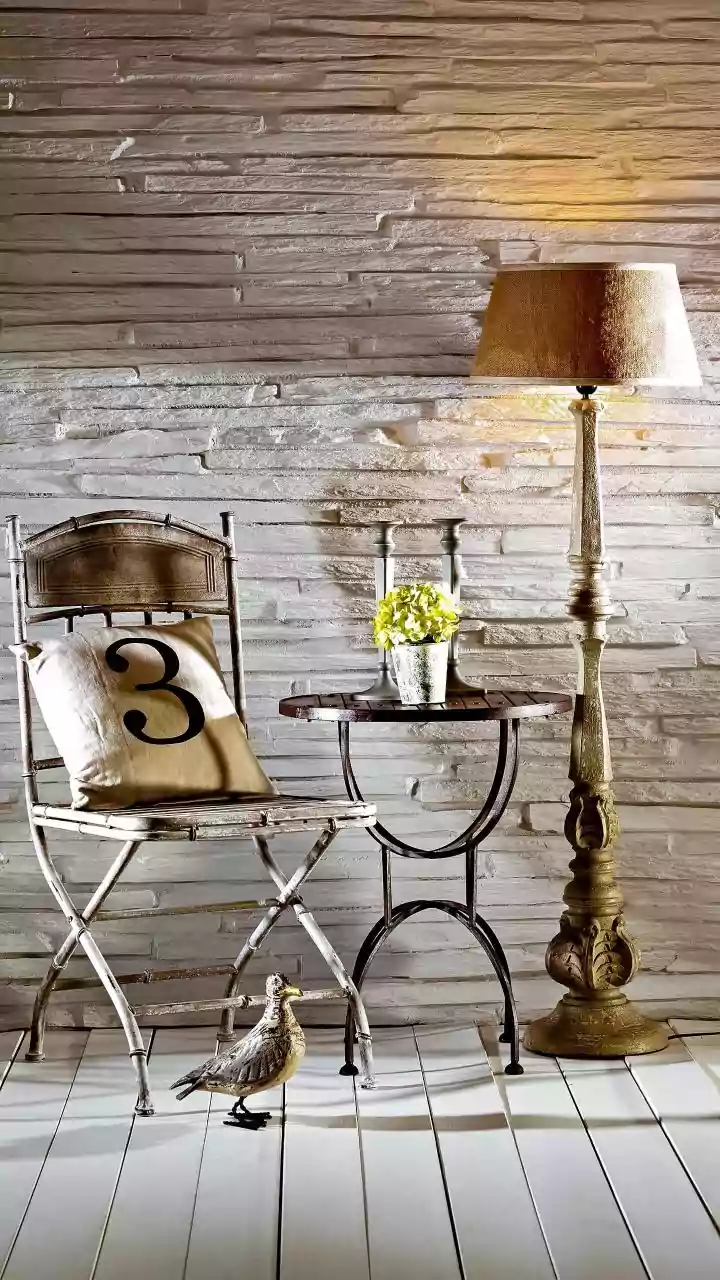
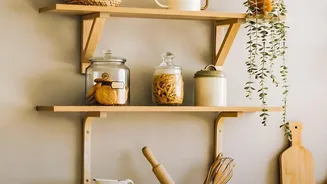
The key to making vintage colours work in a modern home is balance. To prevent your space from looking like a time capsule, ground your colourful choices with plenty of natural materials. Medium-toned woods like teak and oak are trademarks of mid-century style and their warmth complements earthy palettes beautifully. Rattan, jute, and linen also add texture and a neutral base that allows the vintage colours to shine without competing. Combining these organic materials with sleek lines and modern furniture creates a look that feels curated and timeless, rather than dated.