





Understanding Your Core's True Function
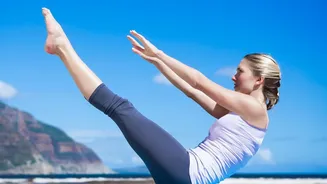
Before comparing these two activities, it's important to understand what your 'core' really is. It’s more than just the 'six-pack' muscles (rectus abdominis). Your core is a complex series of muscles, including your obliques, lower back, and deep abdominal
muscles like the transversus abdominis, that work together to stabilize your entire body. A strong core acts as the foundation for all movement, transferring force between your upper and lower body and protecting your spine. Whether you're lifting groceries or executing a perfect spin, a stable core is essential for efficient, powerful, and safe movement.
Roller Skating: A Dynamic Stability Challenge
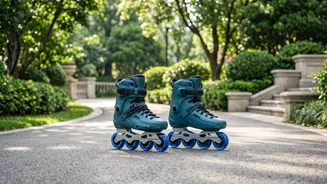
Roller skating is a masterclass in dynamic core stability. Because you're on an unstable surface, your body is in a constant state of flux, making micro-adjustments to keep you upright. Every push, glide, and turn forces your core to react instantly. This isn't like doing a controlled crunch at the gym; it's a reactive and unpredictable workout. Your core muscles must fire continuously to manage shifts in momentum, absorb shock from uneven surfaces, and link the movements of your arms and legs for coordinated propulsion. This constant engagement builds not just strength, but also endurance and the neuromuscular coordination needed to respond to sudden changes in balance.
Tai Chi: Controlled Strength and Mindful Engagement
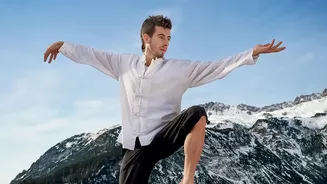
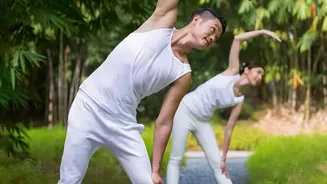
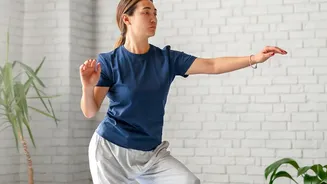
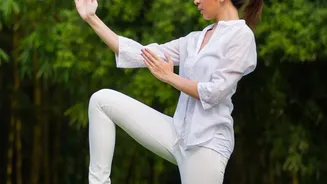
Tai Chi, often called 'meditation in motion', builds core strength through a completely different approach. This ancient martial art involves slow, deliberate, and flowing movements that emphasize posture, alignment, and deep breathing. Instead of reacting to external instability, Tai Chi creates stability from within. As you shift your weight and move through its forms, you are taught to engage your deep core muscles to control your centre of gravity. The practice strengthens the muscles of the abdomen and back, improves proprioception—your body's ability to sense its position in space—and enhances balance, which is crucial for preventing falls. It is a 'sneaky workout' that builds profound internal strength and body awareness without the high intensity.
The Verdict: Reactive Power vs. Grounded Control
So, which is better for your core? The answer depends entirely on your goals. Roller skating excels at building dynamic, reactive core strength. It trains your body to handle instability and unexpected forces, which is incredibly functional for other sports and daily life. The high-energy, cardiovascular nature of skating means you're getting a powerful workout that burns significant calories while simultaneously challenging your balance. Tai Chi, on the other hand, develops deep, foundational core strength through mindful, controlled engagement. It improves posture, flexibility, and the mind-body connection, helping to reduce stress and improve overall body awareness. While skating builds a core that can react to the world, Tai Chi builds a core that is a centre of calm and control.
Integrating Both for a Well-Rounded Routine
You don't have to choose just one. In fact, combining the two disciplines can offer a holistic approach to core fitness. Use roller skating for high-energy cardio sessions that sharpen your reflexes and build explosive, reactive strength. It's a fun, engaging way to get your heart rate up and challenge your stability in a dynamic environment. Then, turn to Tai Chi for recovery, mindfulness, and foundational strength. Its gentle, low-impact movements can help improve your skating posture, enhance your balance from the ground up, and cultivate a deeper awareness of how your body moves. By practicing both, you can develop a core that is not only strong and resilient but also intelligent and controlled, ready for whatever movements life throws your way.