






The days of judging a property solely on its square footage are long gone. Today's Indian homebuyer is savvier than ever, looking for a holistic living experience that balances tradition, modernity, convenience, and long-term value.
The Developer's Reputation Is Paramount
Before even considering
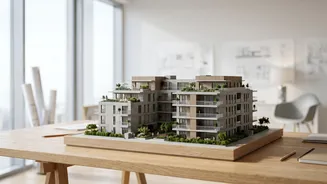
the apartment itself, buyers are increasingly scrutinizing the track record of the developer. In a market where project delays and quality issues can be a major concern, a developer's reputation for on-time delivery, construction quality, and transparency has become a crucial decision-making factor. Homebuyers now perform due diligence, checking past projects, reading customer reviews, and verifying RERA registration details to ensure their investment is safe. A builder with a proven history of delivering on promises provides a level of trust that often outweighs minor differences in price or features.
Connectivity Is the New Location
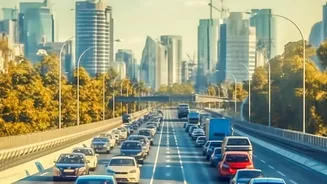
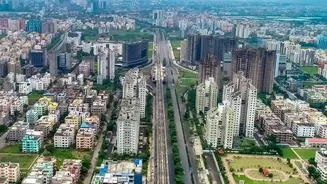
Proximity to the city center is no longer the only metric for a good location. Instead, 'connectivity' has become the buzzword. Buyers are meticulously evaluating a property’s access to major highways, expressways, and especially metro corridors. A well-connected property that reduces commute times to employment hubs, schools, and hospitals can be more desirable than a larger apartment in a poorly connected area. The announcement and development of new infrastructure projects, like a nearby metro station or airport access, can significantly boost a property's appeal and long-term value.
The Amenities and Lifestyle Package
Modern homebuyers are purchasing a lifestyle, not just a home. The amenities offered within a residential complex are a huge draw. Gone are the days when a simple swimming pool would suffice. Today’s buyers expect state-of-the-art gymnasiums, dedicated co-working spaces to support remote work, yoga decks, meditation gardens, and safe play areas for children. Projects that offer a sense of community through clubhouses, event spaces, and on-site retail for daily needs are highly sought after, as they provide convenience and foster social interaction.
Vastu Shastra Compliance
For a significant number of Indian buyers, the ancient architectural science of Vastu Shastra is a non_negotiable element. This traditional system of design and layout is believed to harmonize a home with natural forces to promote well_being and prosperity. Buyers actively check for Vastu_compliant features, such as the direction of the main entrance (north and east_facing are preferred), the placement of the kitchen, and the layout of the bedrooms. Developers are keenly aware of this, with many advertising Vastu compliance as a key feature, knowing it can lead to faster sales and even command a premium.
Focus on Wellness and Green Living
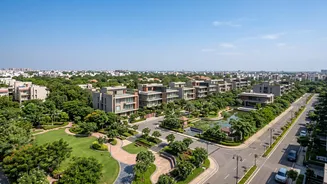
There is a growing consciousness around health, wellness, and sustainability in the Indian real estate market. Buyers are increasingly showing a preference for properties that incorporate green spaces, such as landscaped gardens and walking tracks. Features that promote a sustainable lifestyle, like rainwater harvesting, solar power generation, and efficient waste management systems, are no longer just extras but are becoming standard expectations. Homes with good natural light and ventilation are also highly valued, reflecting a broader shift towards living environments that support both physical and mental well_being.
The Shift Towards Premiumisation
While affordability remains a key concern, market data shows a clear trend towards 'premiumisation'. A large segment of homebuyers is willing to stretch their budget for larger homes, particularly 3BHK and 4BHK configurations, and better quality. This indicates that buyers are making long_term lifestyle choices rather than just fulfilling a basic need for shelter. They are increasingly looking for properties that offer a superior living experience, better construction, and a more comprehensive set of amenities, seeing it as a worthwhile investment in their family's future.