



The Case for Walking: Simple and Effective
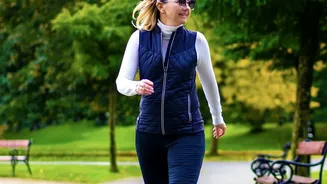
Walking is perhaps the most accessible form of exercise. It requires no special equipment beyond a good pair of shoes and can be done almost anywhere. For joint health, its benefits are significant. Regular walking increases blood flow to the cartilage
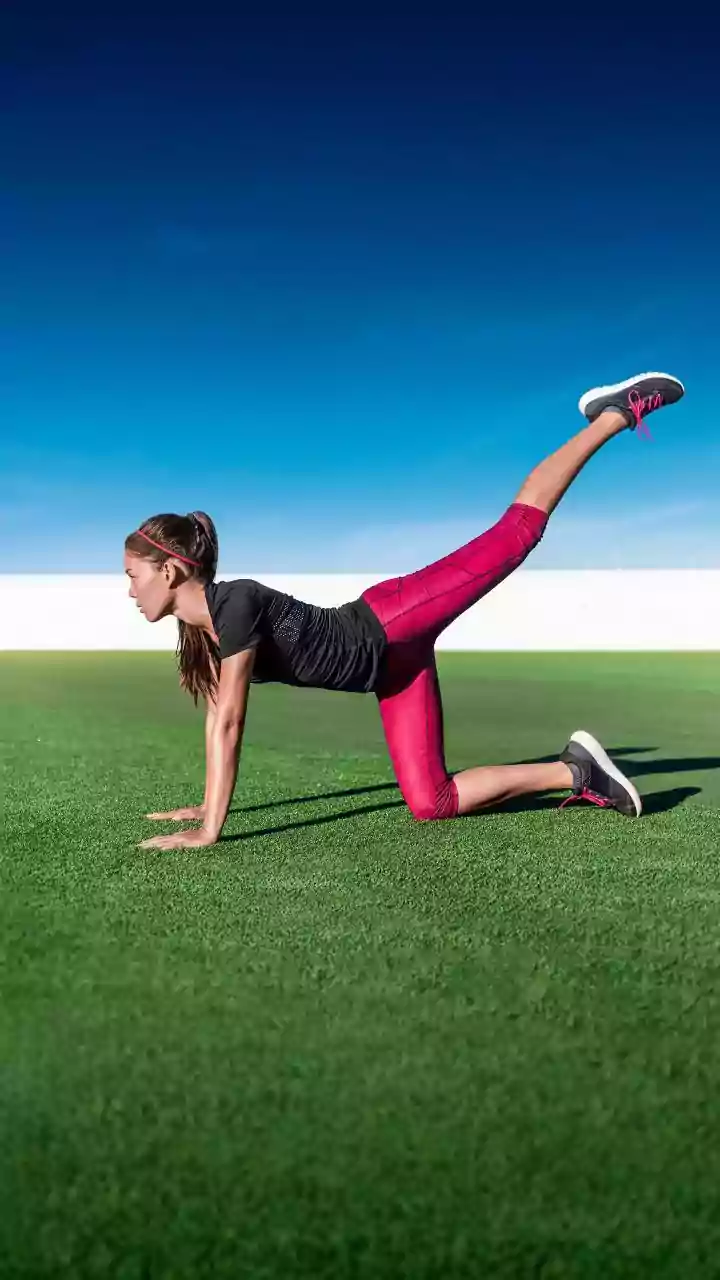
that cushions your joints, delivering essential nutrients that keep them healthy. This movement also helps maintain joint lubrication, reducing the stiffness often associated with conditions like arthritis. Furthermore, walking strengthens the major muscles in your legs, such as the quadriceps and glutes, which act as crucial support structures for your knees and hips, taking pressure off the joints themselves. As a weight-bearing but low-impact activity, it also helps maintain bone density without the jarring stress of running or jumping.
The Power of Pilates: Core Strength and Control
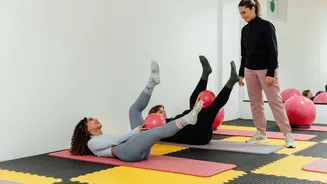
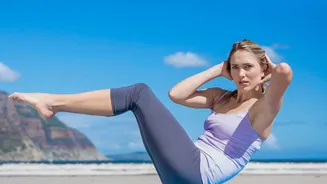
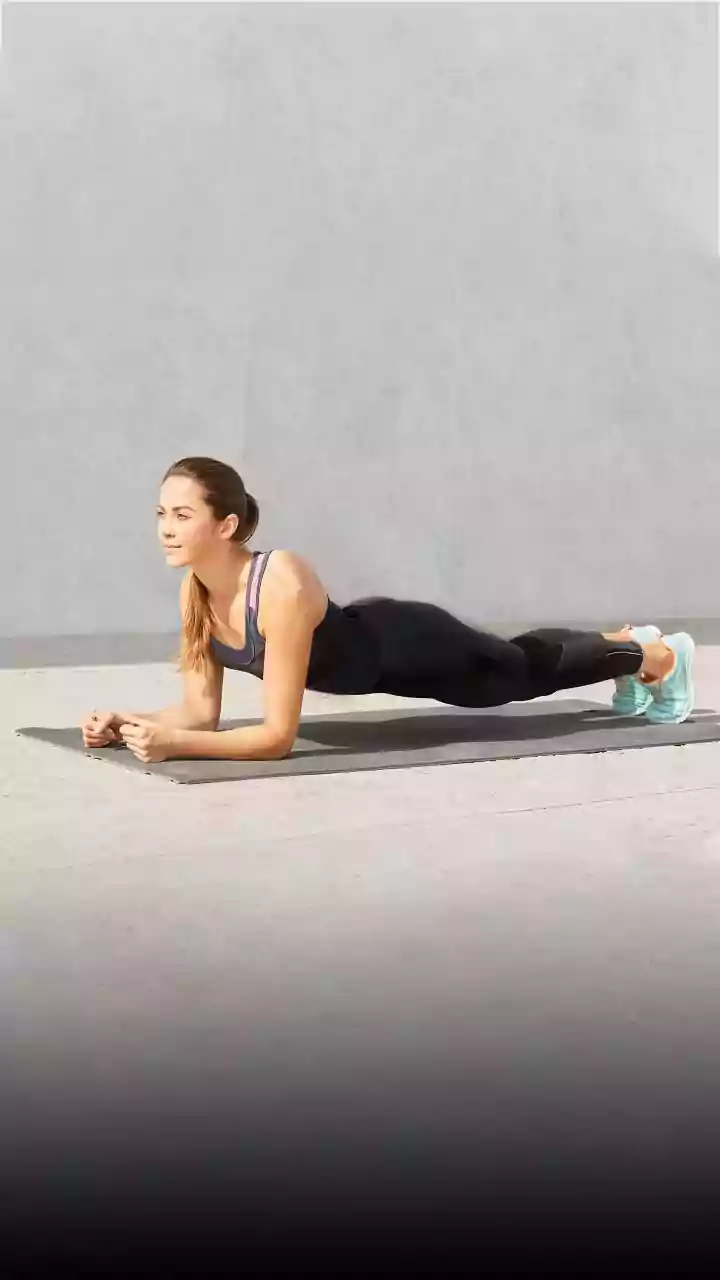
Pilates is a system of exercises focused on building core strength, improving flexibility, and enhancing body awareness. Its movements are slow, controlled, and deliberate, which makes it exceptionally gentle on the joints. The core principle of Pilates is to stabilise the body from its centre—the abdomen, lower back, and hips. By strengthening this 'powerhouse', you create a supportive corset for your entire body, which improves posture and alignment. This correction of postural imbalances can significantly reduce undue strain on the knees, hips, and spine. For those with arthritis, Pilates can help improve range of motion, build muscle strength to better support joints, and reduce pain and stiffness.
Impact and Intensity: A Key Distinction
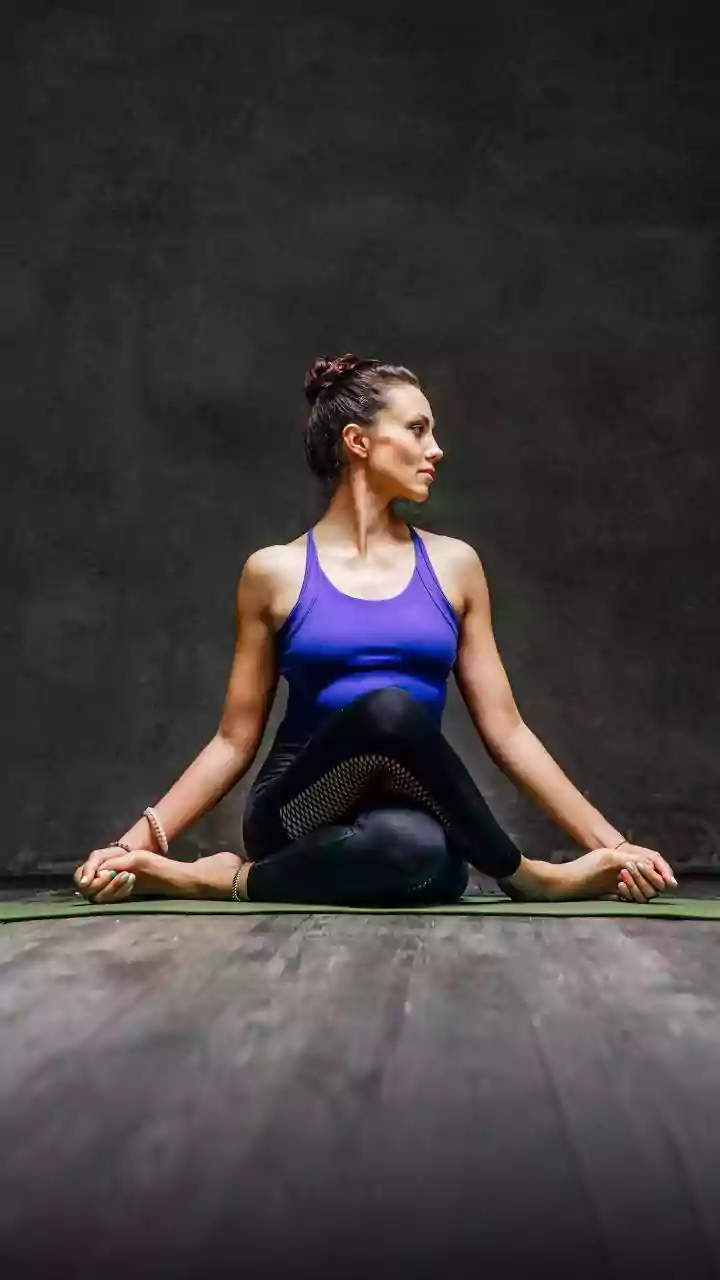
Both walking and Pilates are considered low-impact, meaning they place minimal stress on your joints. Walking is a natural, repetitive forward motion. Its intensity can be easily modified by changing your pace or walking on an incline, but the movement pattern remains relatively simple. Pilates, while also low-impact, involves a much wider variety of movements that work the body in multiple planes of motion—including rotation and lateral movements that are often neglected in daily life. The intensity in Pilates comes from controlled resistance, either from your own body weight on a mat or from the springs on a Reformer machine, which allows for muscle strengthening without impact.
Flexibility vs. Cardiovascular Health
Herein lies one of the biggest differences. Brisk walking is an excellent form of cardiovascular exercise, proven to improve heart and lung fitness, help manage blood pressure, and support weight management. However, it does not actively do much to improve overall flexibility. Pilates, on the other hand, excels at enhancing flexibility and mobility throughout the body, particularly in the spine and hips. While some Pilates flows can elevate the heart rate, it is generally not considered an aerobic workout in the same way as walking. Therefore, your primary fitness goal—be it heart health or improved flexibility—may steer you toward one or the other.
The Verdict: Which Is Right for You?
The best exercise is not a universal prescription but a personal one that depends on your specific needs and goals. If you are new to exercise, looking for a simple and free way to improve cardiovascular health and manage weight, walking is an outstanding choice. It’s easy to start and maintain consistently. If your primary concerns are poor posture, back pain, a lack of flexibility, or building deep stabilising strength to protect your joints, Pilates offers targeted benefits that walking alone cannot. Many experts suggest that the ideal solution is not to choose one over the other, but to combine them. A routine that includes regular walks for heart health and a couple of Pilates sessions a week for strength, alignment, and flexibility can offer a comprehensive approach to long-term wellness and joint comfort.