


The Ultimate Packed Lunch Challenge
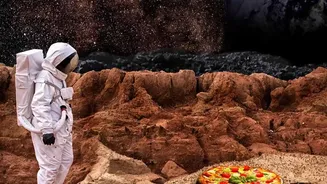
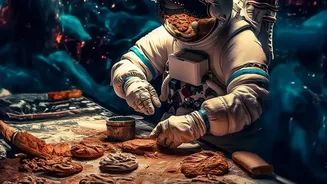
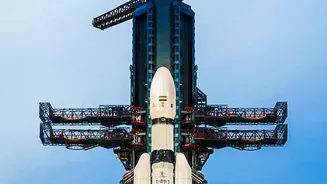
Eating in space is far more complicated than just dealing with floating crumbs. For astronauts on missions like India's ambitious Gaganyaan project, food isn't just fuel; it's a critical component of health, morale, and mission success. The primary challenge
is preservation. Spacecraft have limited power and space, meaning refrigerators are a luxury they can't afford for food storage. All meals must be 'shelf-stable,' capable of lasting for the entire mission duration at ambient temperatures. Furthermore, the food must be nutritionally balanced to counteract the physiological effects of microgravity, easy to prepare and consume in a weightless environment, and, ideally, delicious enough to provide psychological comfort far from home. This is where DRDO's Mysuru-based Defence Food Research Laboratory (DFRL) stepped in, leveraging its decades of experience in creating specialised food for soldiers in extreme conditions.
The Science of No Refrigeration
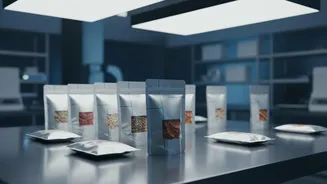
DFRL scientists employed sophisticated food preservation technologies to ensure the Gaganyaan menu remains safe and palatable without refrigeration. The primary methods are thermostabilization and freeze-drying. Thermostabilization, also known as retort processing, involves heating food in sealed, flexible pouches to temperatures high enough to destroy any spoilage-causing microorganisms. This is similar to the technology used in military Meals-Ready-to-Eat (MREs). Freeze-drying, on the other hand, involves freezing the food and then removing the ice by turning it directly into vapour in a vacuum. This process removes most of the water, making the food extremely lightweight and extending its shelf life significantly. For consumption, astronauts simply need to rehydrate these meals by injecting water into the specially designed packets. These techniques ensure the food is not only safe but also retains much of its original flavour, texture, and nutritional value for long periods.
A Taste of India, Miles Above Earth
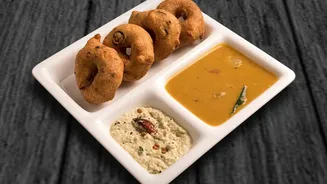
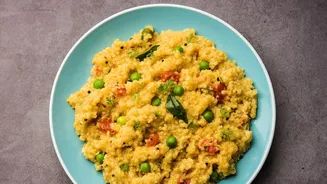
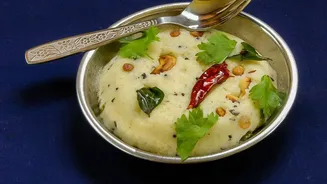
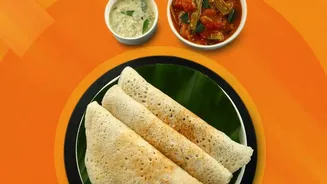
The menu developed by DFRL is a testament to providing comfort and familiarity in an alien environment. Instead of generic food pastes, Indian astronauts will have a choice of over 30 dishes that read like a celebration of the country's diverse cuisine. For breakfast, they can choose from classics like idli sambar, upma, or poha. Lunch and dinner options include vegetable biryani, chicken korma, dal curry, and chapatis. For dessert, there’s moong dal halwa. Even beverages like fruit juices have been prepared in special powdered forms. The food is intentionally made mildly spiced, but with optional spice sachets for those who want an extra kick—a thoughtful touch, as astronauts often experience a diminished sense of taste in microgravity. Binders are used to prevent food from crumbling and creating floating debris that could damage sensitive equipment.
More Than Just a Meal
The psychological impact of food during long-duration space missions cannot be overstated. Access to familiar, enjoyable meals is a proven morale booster. Astronauts from various countries have often taken small quantities of their favourite national foods to space, from kimchi for Korean astronauts to samosas taken by Indian-American astronaut Sunita Williams. The comprehensive Indian menu prepared by DRDO acknowledges this deep connection between food, culture, and well-being. By providing a full spread of familiar dishes, scientists are ensuring that while the astronauts may be physically isolated in the vastness of space, they have a comforting, sensory link to home. This careful consideration transforms a simple meal into a vital part of the mission's human support system, helping to keep the crew happy, healthy, and focused on their groundbreaking work.
Ready for Gaganyaan and Beyond
The development of this space menu is a significant milestone for India's human spaceflight program. The technologies perfected by DFRL not only cater to the immediate needs of the week-long Gaganyaan mission but also lay the groundwork for more ambitious, long-duration missions in the future, including potential plans for an Indian space station. The ability to produce a wide variety of long-shelf-life foods domestically is a crucial element of self-reliance in space exploration. As India prepares to send its astronauts into orbit, it's clear they will be well-fed with a menu that is a marvel of food science and a touching reminder of home, proving that even hundreds of kilometres above Earth, there's nothing quite like a familiar meal.