



Decoding the Numbers
The headline figure of VND36.4 trillion (approximately $1.43 billion USD) is a testament to Phu Quoc's explosive growth. This revenue was generated in just the first seven months of 2026, welcoming over 6.8 million visitors. This represents a remarkable
30% increase in visitors compared to the same period last year. Even more impressively, international arrivals surged by over 53%, with more than 1.5 million foreign tourists flocking to the island. To put this into perspective, during a period when established luxury destinations like the Maldives saw a 5% dip in international visitors, Phu Quoc posted record-breaking, double-digit growth, signalling a major shift in the global tourism landscape.
The Engine of Unprecedented Growth
Phu Quoc's success isn't a stroke of luck; it's the result of a deliberate and heavily funded strategy. One U.S. business magazine recently described the pace of tourism infrastructure investment in Vietnam as "unprecedented, even in the Middle East," with Phu Quoc as a prime example. The island has attracted billions in private investment from Vietnamese conglomerates like Sun Group and Vingroup. These developers are not just building hotels; they are creating entire ecosystems. This includes a vast "tourism-entertainment universe," integrated resort complexes, and even entire hotel "cities" that bring together multiple high-end international brands in one location. This private-sector push is bolstered by supportive government policies, including significant tax incentives and an attractive 30-day visa-exemption policy for tourists from many countries.
More Than Just Sun and Sand
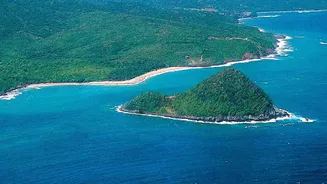
While the island's pristine beaches, such as Kem Beach and Sao Beach, remain a major draw, Phu Quoc's strategy is to capture visitors' time and spending with a diverse array of attractions. The island is now a destination where tourists can stay longer and do more, moving far beyond a simple beach holiday. Developers have built world-class entertainment hubs designed to be destinations in themselves. Visitors can experience the vibrant, 'sleepless city' atmosphere of complexes like Grand World, ride the world's longest three-wire cable car, or watch spectacular multimedia shows. The addition of attractions like theme parks, a casino, and iconic landmarks like the Kiss Bridge has transformed the island into an all-in-one vacation spot, catering to families, luxury travelers, and adventure seekers alike.
The Inevitable Growing Pains
Such rapid development is rarely without its challenges. While creating jobs and boosting local infrastructure like hospitals and schools, the sheer speed of transformation brings potential strains. Environmental management is a primary concern, as the surge in tourists and construction puts pressure on waste management systems and the island's natural ecosystems. The risk of over-tourism looms large; the very charm that attracted visitors in the first place could be diluted if growth is not managed sustainably. Infrastructure, from roads to utilities, must also keep pace with the ever-increasing number of hotels, resorts, and visitors to avoid bottlenecks that could tarnish the tourist experience. Maintaining this delicate balance between growth and preservation will be Phu Quoc's next great test.
The Future of the Pearl Island
Phu Quoc's trajectory suggests its ambitions are set on competing directly with established Asian tourism giants like Phuket and Bali. Its growing popularity among both domestic and international travelers is clear, topping search trends and earning accolades from global travel authorities. With major events like the APEC summit on the horizon for 2027, the push for development and international recognition will only intensify. The island is no longer an emerging destination but a rising powerhouse. Its future success will depend on its ability to evolve from a story of rapid construction to one of sustainable, high-quality management that can support its well-earned place on the world stage.