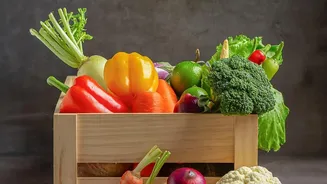




Why All the Fuss About Monsoon Veggies?
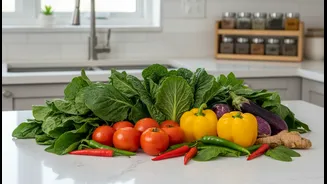
The concern around vegetables during the monsoon is valid. The high humidity and waterlogged fields create a perfect breeding ground for bacteria, fungi, and other pathogens. Leafy greens, with their many layers and large surface area, are particularly
susceptible to trapping mud, pests, and microbes that can lead to stomach infections, diarrhoea, and other foodborne illnesses. Furthermore, the damp conditions can promote fungal growth on vegetables like cauliflower and broccoli, whose dense florets are difficult to clean thoroughly. This doesn't mean you must stop eating them, but it does mean that your usual washing routine needs an upgrade.
Your Monsoon Shopping List
While extra care is needed for all vegetables, some are naturally safer choices during the rainy season. Dietitians often recommend opting for gourds, which are seasonal and tend to be less prone to contamination. Vegetables like bottle gourd (lauki), ridge gourd (turai), and bitter gourd (karela) are light, easy to digest, and packed with nutrients. Pumpkin (kaddu) is another excellent choice, rich in immunity-boosting Vitamin A. When shopping, look for produce that is firm and fresh, avoiding anything that looks wilted, bruised, or has signs of decay. Choosing vegetables that grow above the ground, like beans and gourds, can also be a safer bet than root vegetables that may have higher soil contamination.
The Ultimate Guide to Cleaning Produce
Proper cleaning is your most powerful tool for safe vegetable consumption during the monsoon. A quick rinse under the tap is not enough. Start by washing your hands and then rinse the vegetables under clean, running water to remove loose dirt. For a more thorough clean, a soak is essential. Create a solution by adding one tablespoon of salt or a splash of white vinegar to a litre of water. Submerge your vegetables in this solution for 10-15 minutes. This helps dislodge tiny insects, larvae, and reduce the microbial load on the surface. After soaking, rinse the vegetables again under fresh running water and pat them dry with a clean towel before cooking or storing.
Handling Leafy Greens with Extra Care
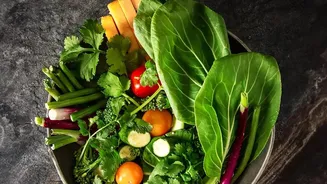
Leafy greens like spinach, fenugreek (methi), and cabbage require the most diligence but shouldn't be completely off the menu. Their nutritional benefits, including iron and fibre, are too good to miss. The key is meticulous cleaning. Separate the leaves and swish them around in a large bowl of water, allowing dirt to settle at the bottom. Lift the leaves out rather than draining the water to avoid re-depositing the grit. Then, proceed with a salt or vinegar water soak as you would for other vegetables. This extra step is crucial for flushing out any hidden contaminants from between the leaves.
Cook for Safety, Not Just for Taste
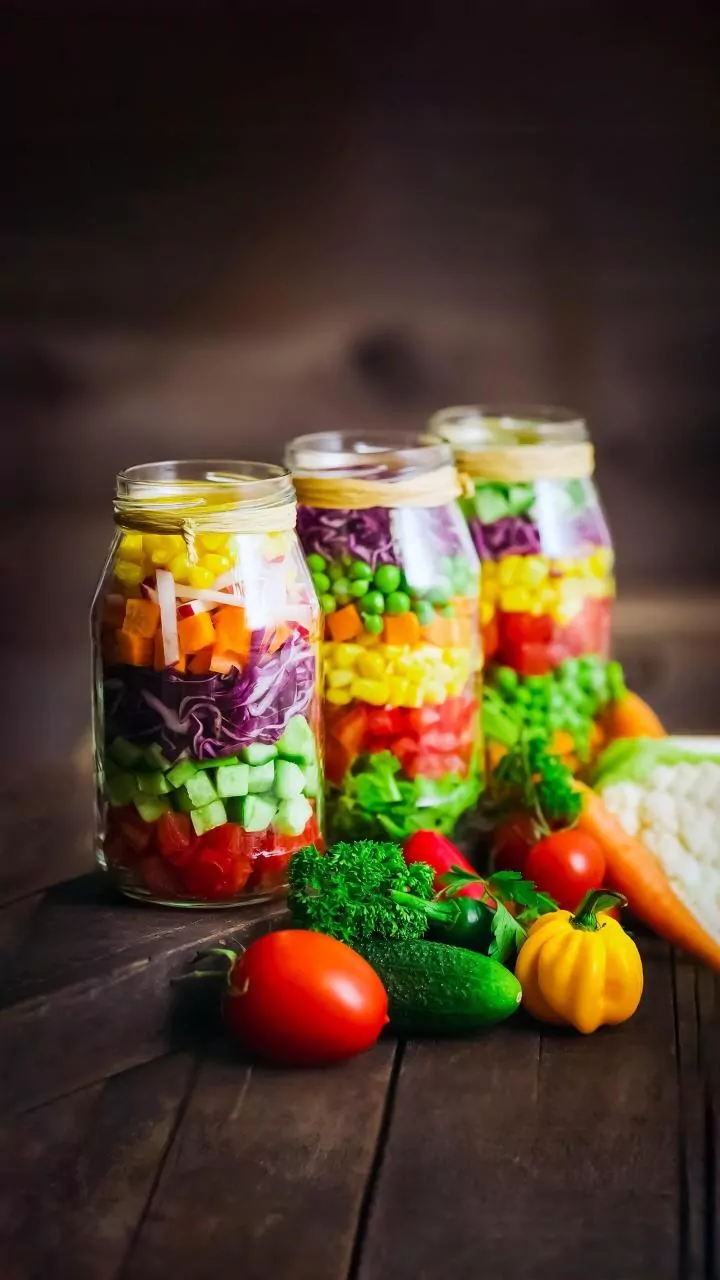
One of the most effective ways to ensure your vegetables are safe is to cook them thoroughly. High temperatures kill most harmful bacteria and pathogens. During monsoon, it's wise to avoid raw salads and uncooked garnishes, especially when eating out. Instead of raw spinach salads, opt for palak paneer or saag. Instead of raw cabbage in a coleslaw, enjoy it in a cooked stir-fry. Steaming, boiling, and sautéing are excellent cooking methods that preserve nutrients while making vegetables safe to eat. Warm, freshly prepared meals like soups, dals, and khichdi are not only comforting in the rainy weather but are also easier on your digestion, which can be sluggish during this season.