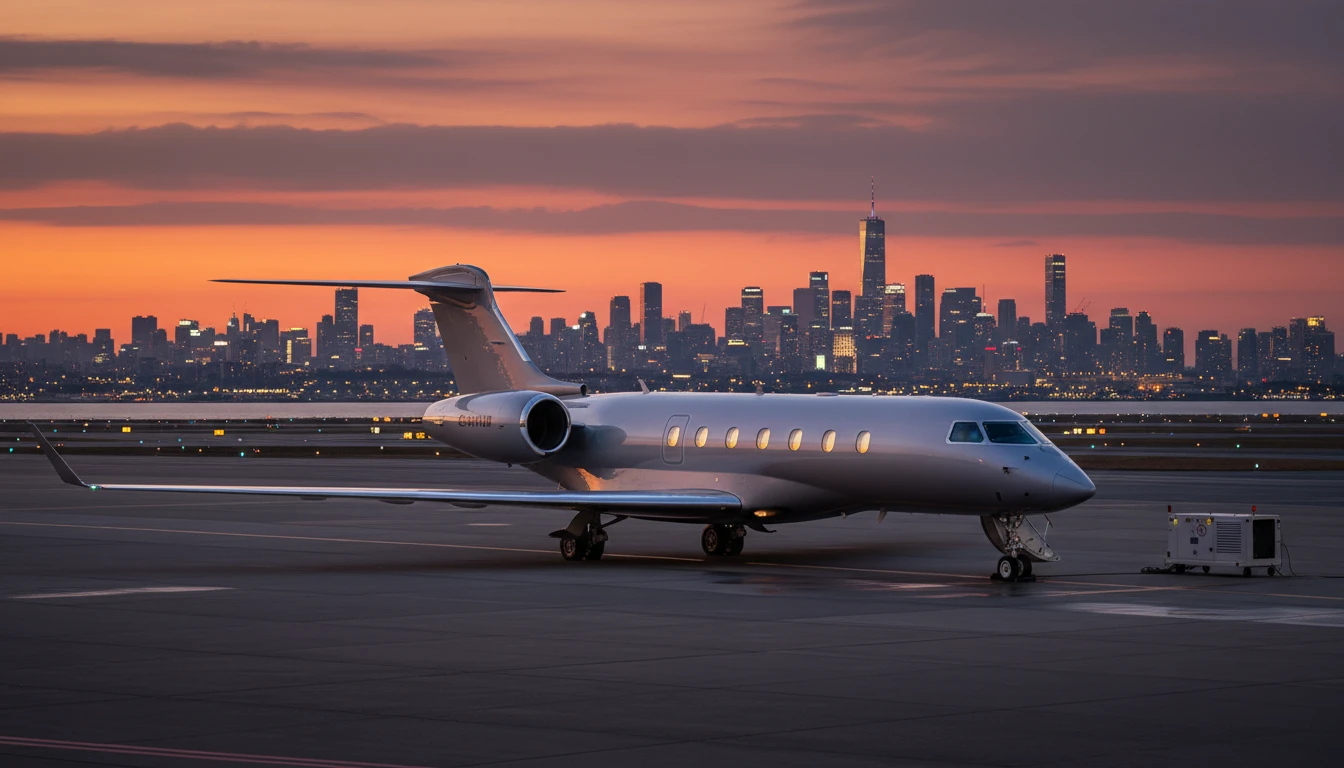









The Silicon Valley to Runway Pipeline
In the world of technology, a “liquidity event” is a watershed moment. It’s the point where years of hard work, often in the form of stock options and equity, convert into spendable cash. This typically happens through an Initial Public Offering (IPO)
or a company acquisition. Recent blockbuster IPOs from companies like SpaceX and the boom in AI startups have generated unprecedented wealth not just for founders, but for thousands of early employees. This isn't the slow, generational wealth of old money; it's a sudden, life-changing influx of capital. And one of the earliest beneficiaries of this boom has been the private aviation industry, which is seeing a significant uptick in demand from a new, younger, tech-savvy clientele. Aviation lawyers and brokers report being inundated with paperwork for aircraft purchases and charter agreements, directly linked to these liquidity events.
More Than a Luxury: The Case for Efficiency
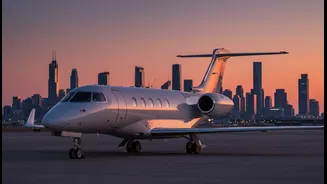
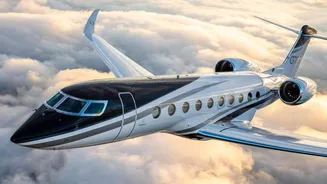
For the new tech elite, a private jet is not just a status symbol; it's viewed as a productivity tool. The core appeal lies in efficiency—the ability to bypass chaotic commercial airports, set your own schedule, hold confidential meetings in the air, and travel between multiple cities in a single day. This resonates deeply with a generation accustomed to on-demand services and optimizing every minute. While old money might have seen private travel as a reserved privilege, new money sees it as a logical upgrade for a high-velocity lifestyle. This mindset is fueling a structural shift in the aviation market itself, away from outright ownership and towards more flexible, tech-forward models.
The 'Uber for Jets' Model Takes Off
The new wave of flyers from the tech world is less interested in the burdens of whole aircraft ownership. Instead, they are flocking to fractional ownership, jet cards, and on-demand charter memberships. These models offer access to a fleet of aircraft without the long-term commitment or hefty maintenance costs of owning a plane. Companies offering slick, app-based booking and transparent pricing are thriving, mirroring the user-friendly tech platforms that created this new wealth in the first place. Data shows a significant global rise in flights through shared-ownership programs, with a nearly 12% increase in early 2026 compared to the previous year. In India, while the market is still developing, there is a growing push for a clear regulatory framework to support fractional ownership, driven by demand from startup founders and high-net-worth individuals.
The Cloud of Carbon and Controversy
This boom in private aviation is not without significant turbulence. The industry faces intense scrutiny for its outsized environmental impact. A single private jet can emit two tonnes of CO2 per hour, and on a per-passenger basis, it is the most carbon-intensive form of travel. Emissions from private jets have surged, rising by 46% between 2019 and 2023. This has led to protests and calls for stricter regulations and higher taxes. While some operators are exploring sustainable aviation fuels (SAF) and carbon offset programs, these solutions are not yet available at a scale that can mitigate the environmental cost of the sector's rapid growth. The stark contrast between the convenience enjoyed by a tiny fraction of the global population and the climate consequences for everyone remains a central point of contention.