


The Art of Gilding
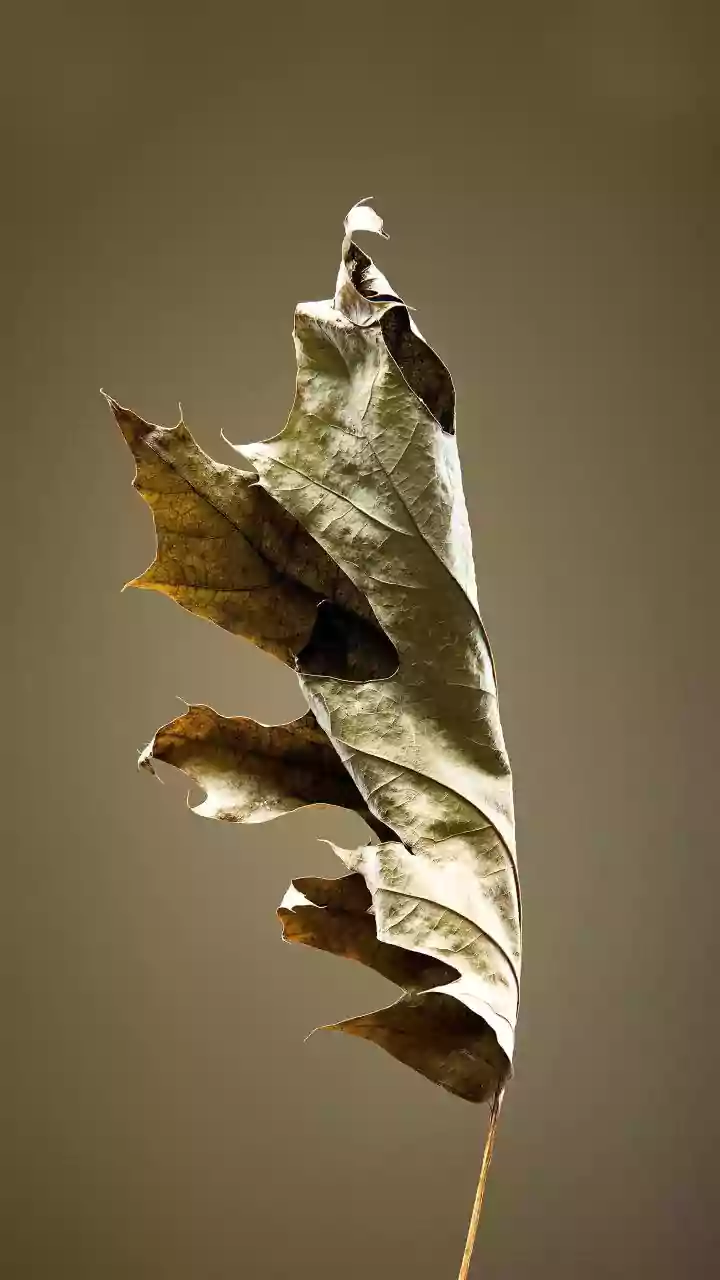
Gold leafing, or gilding, is the process of applying ultra-thin sheets of gold to a surface. These sheets, known as leaves, are produced by hammering gold into a film that can be as thin as 0.1 micrometres. This incredible malleability allows artisans
to cover complex shapes and large areas. While genuine gold leaf is made from high-karat gold (often 22k or 23k), there are also more affordable imitation leaves, typically made from copper and zinc alloys. The application process involves preparing a surface, applying a special adhesive called 'size', and then carefully laying the delicate leaf onto it. There are two primary methods: oil gilding and water gilding. Oil gilding is more common, durable, and suitable for most surfaces, including exteriors. Water gilding is a more complex, traditional technique used for fine furniture and objects, allowing the gold to be burnished to a brilliant, mirror-like shine.
From Wood to Glass: A World of Surfaces
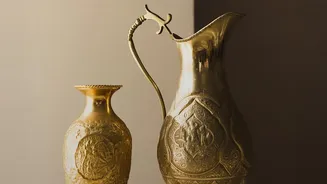
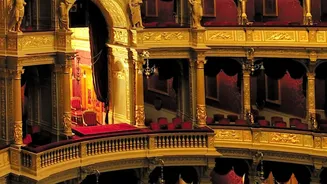
One of gold leaf's most compelling qualities is its versatility. It can be applied to almost any surface, provided the surface is properly prepared. For porous materials like wood, the process begins by sealing the grain to create a smooth, non-absorbent base, often using a primer or traditional gesso made from gypsum and glue. This ensures the leaf lays flat and flawless. For non-porous surfaces such as metal, stone, or glass, the key is a clean, oil-free surface to ensure the adhesive size can grip properly. Architectural elements like ceilings, cornices, and door frames can be gilded to add a sense of grandeur. Furniture pieces, from entire cabinets to small decorative details, are transformed into heirlooms with a touch of gold. Even glass can be gilded, often in a reverse process, creating stunning, luminous designs.
A Touch of Gold for Every Style
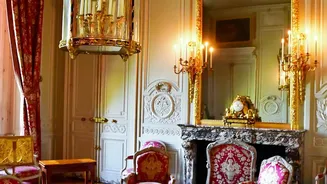
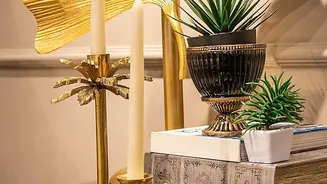
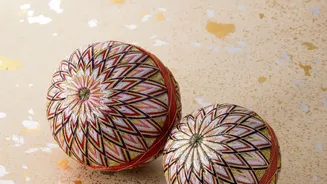
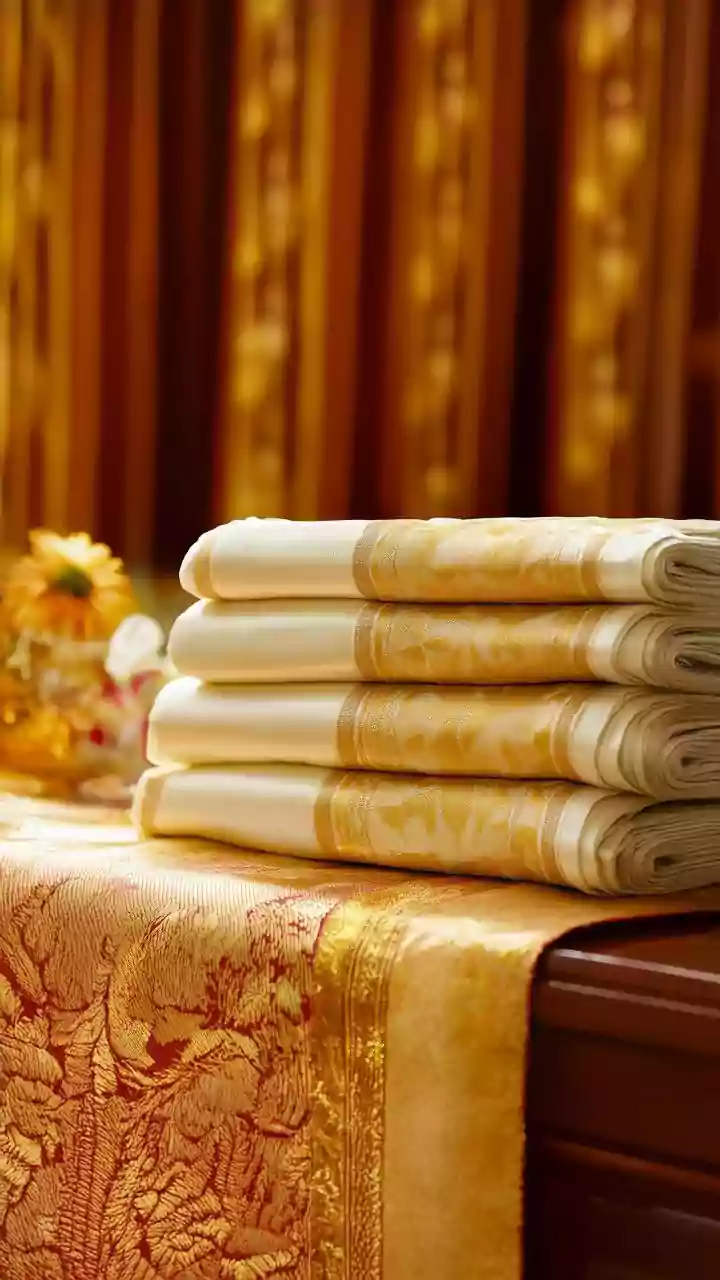
Gold leaf is not just for opulent, classical interiors. Its application has evolved to suit a wide range of design aesthetics. In traditional settings, it highlights ornate carvings and architectural details, evoking a sense of history and luxury. However, in modern and minimalist spaces, gold leaf can be used to create a powerful statement through contrast. A single gilded accent wall, a piece of abstract art with gold flecks, or the inside of a lampshade can add warmth and a focal point to a clean, contemporary room. The key is balance. Gold leaf can be used to make a bold statement or as a subtle accent, transforming an ordinary object into a piece of art. It pairs beautifully with materials like dark wood, marble, and rich textiles, creating a harmonious and sophisticated look.
Practical Care for Gilded Treasures
Despite its luxurious appearance, gold leaf is incredibly delicate and requires careful handling. Because the leaf is so thin, repeated or aggressive cleaning can wear it away through simple friction. For routine upkeep, gentle dusting with a very soft, dry brush (like a sable artist's brush) or a feather duster is recommended. If a more thorough cleaning is necessary, it's best to proceed with extreme caution. Use a soft cotton cloth or cotton ball with a minimal amount of cool, clean water, and always dab the cloth on a dry surface first to remove any excess moisture. Avoid commercial cleaning solutions, especially those containing alcohol or other harsh chemicals, as they can damage the gilded surface. It is also wise to keep gilded items out of direct sunlight and in stable temperature and humidity conditions to prevent the underlying material from swelling or contracting, which could cause the leaf to flake.